
Understanding Keloid Scars: Causes, Treatment Options, and What to Know
Understanding Keloid Scars:

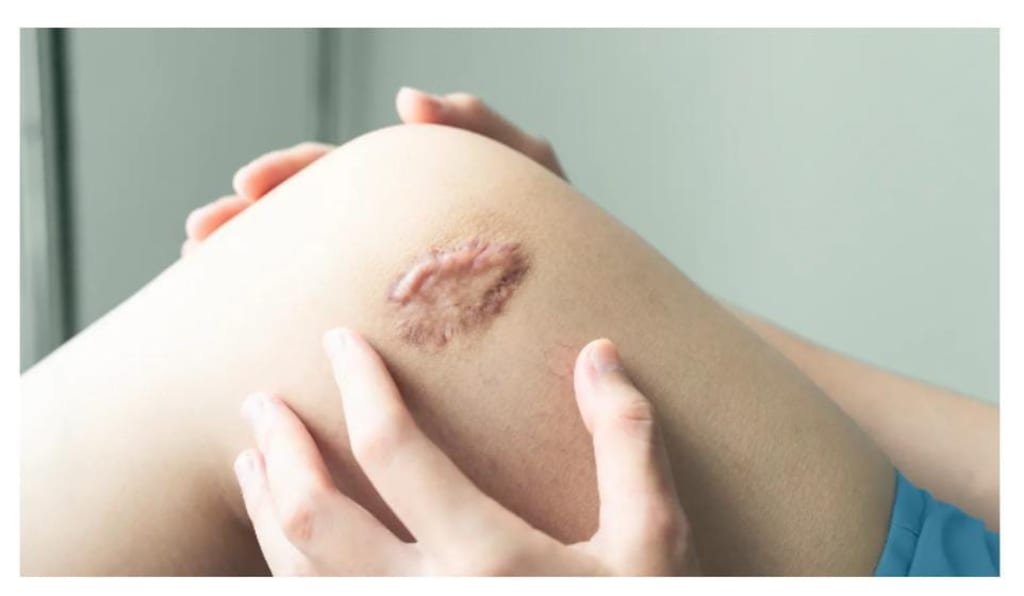
Keloid scars are a form of abnormal scar tissue that can develop after the skin experiences trauma such as surgery, acne, burns, or piercings. Unlike typical scars, keloids grow beyond the original wound area and may continue expanding over time. For many individuals, keloids are not only a cosmetic concern but can also cause discomfort, itching, or sensitivity.
Understanding how keloid treatment options exist can help individuals make informed decisions about managing them safely and effectively.
What Are Keloid Scars?
Keloids develop when the body produces excessive collagen during the healing process. Instead of stopping once the wound has healed, collagen production continues, resulting in thick, raised scar tissue.
These scars can appear on any part of the body but are most commonly found on the chest, shoulders, back, jawline, and earlobes. While anyone can develop keloids, they are more common in people with darker skin tones and those with a genetic predisposition.
Common Characteristics of Keloids
Keloid scars often present with the following features:
Raised, firm, or rubbery texture
Growth beyond the original wound area
Color variations ranging from pink to dark brown
Possible itching, tenderness, or pain
Unlike hypertrophic scars, keloids do not regress on their own and may continue to grow over time
Why People Seek Keloid Treatment
There are several reasons individuals explore treatment options for keloid scars:
Cosmetic Appearance:
Keloids can be visually noticeable, especially when they form on exposed areas of the body.
Physical Discomfort:
Some keloids cause itching, tightness, or sensitivity that interferes with daily comfort.
Emotional Impact:
Visible scarring can affect self-confidence and emotional well-being.
Prevention of Further Growth:
Early management may help limit additional scar expansion.
Common Treatment Approaches
There is no single treatment that works for everyone. The effectiveness of a treatment often depends on scar size, age, location, and individual skin response.
Topical Management
Some people use topical products designed to hydrate scar tissue and improve skin texture. These may help soften scars over time, though results can vary significantly.
Corticosteroid Injections
Medical professionals sometimes use steroid injections to reduce inflammation and slow excessive collagen production. This approach may require multiple sessions.
Cryotherapy
This method involves freezing scar tissue and is typically used for smaller keloids. It may help reduce thickness but can cause skin color changes.
Laser Therapy
Laser treatments are used to improve scar texture and coloration. They are often combined with other treatment methods for better outcomes.
Surgical Removal
In severe cases, surgical excision may be considered. However, surgery carries a high risk of keloid recurrence and is usually paired with additional therapies.
Important Considerations Before Treatment
Early evaluation matters: Newer scars may respond better to treatment than older ones.
Consistency is key: Most approaches require patience and long-term management.
Medical guidance is essential: A dermatologist can recommend appropriate options based on individual skin type and medical history.
Self-treating without professional advice may worsen symptoms or lead to recurrence
Managing Expectations
While many treatments can reduce the size or appearance of keloids, complete removal is not always possible. The primary goal is often scar control rather than elimination. Results vary, and recurrence remains a possibility even after successful treatment.
Conclusion
Keloid scars are a complex skin condition influenced by genetics, healing response, and environmental factors. Understanding how they form and the range of available Keloid treatment options can help individuals make informed, realistic decisions about scar management.
Those experiencing persistent discomfort or rapidly growing scars should seek professional medical advice to explore safe and effective treatment strategies tailored to their needs.
Keloid scars vary in severity and response to treatment, making professional guidance important. With accurate information, patience, and proper care, individuals can better manage expectations and long-term skin health.
About the Creator
Abbasi Publisher
I’m a dedicated writer crafting clear, original, and value-driven content on business, digital media, and real-world topics. I focus on research, authenticity, and impact through words
Keep reading
More stories from Abbasi Publisher and writers in Longevity and other communities.
Why Australian Dermatologists Are Recommending Bovine Collagen for Ageing Skin
Standing in the skincare aisle at Priceline last week, I watched a woman in her forties reading every single ingredient on about twelve different anti-ageing creams. She looked frustrated. I get it - when you're spending serious money on products that promise the world, you want some guarantees.
By Abbasi Publisher6 months ago in Longevity
Doctors Hate How Simple This Longevity Secret Is (But It Might Add Years to Your Life)
Longevity has become one of the most talked-about topics in modern health. Everywhere you look, there are promises of anti-aging breakthroughs, advanced supplements, and complex routines designed to extend life. It creates the impression that living longer is complicated—something reserved for those with access to the latest science and unlimited resources.
By Lukáš Hrdlička7 days ago in Longevity
Tatt~Master
— Assembly Line Tatt Machine ~ Impressions to Impress — As I begin to understand more about the Tattoo Phenomenon. I've written silly, yet verbatim, dating site anecdotes in 'Frazzled.' So let me ask you: Would you be More attracted to someone slathered with tattoos, or Less?
By Jay Kantor4 days ago in Humor


Comments (1)
There's an option for tagging AI generated articles on the site. Just letting you know.