
The Ultimate Guide to HIIT for Beginners (and Why It Works)
A Beginner-Friendly Guide to High-Intensity Interval Training (HIIT) and Its Powerful Benefits
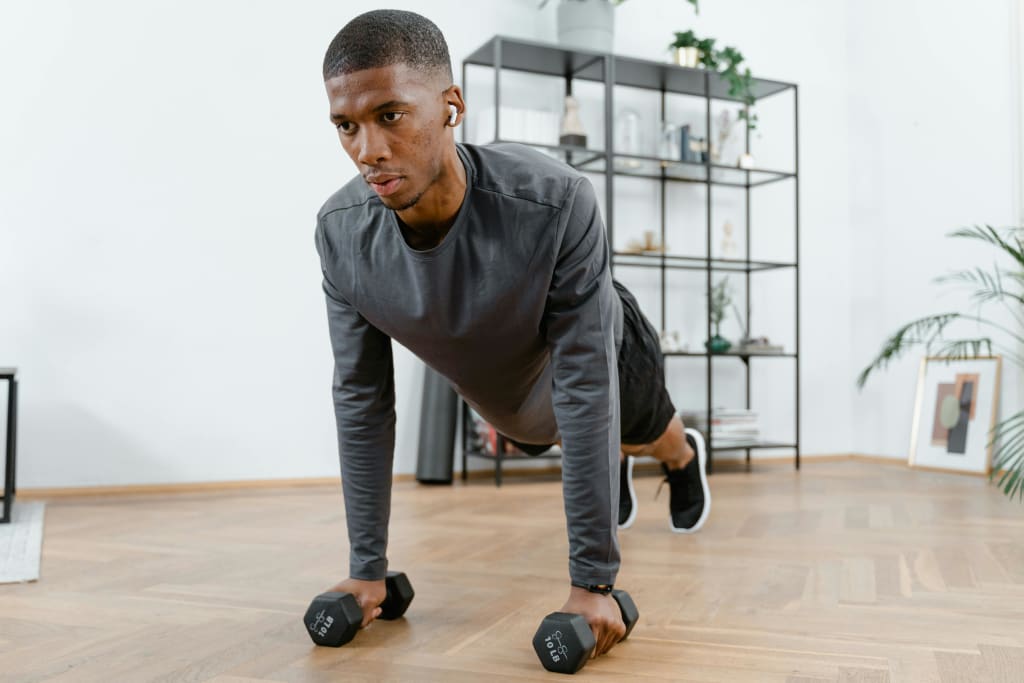
High-Intensity Interval Training (HIIT) has become one of the most popular and effective fitness methods in recent years. It's no surprise—HIIT workouts are short, intense, and yield impressive results in a short amount of time. Whether you're a beginner or someone looking to improve your fitness routine, HIIT is a great option. This ultimate guide will break down what HIIT is, how it works, and why it's such an effective workout.
What is HIIT?
HIIT involves short bursts of intense exercise followed by a brief period of rest or low-intensity activity. These intervals are repeated for a specific duration (usually 15–30 minutes). The key to HIIT’s effectiveness lies in its ability to push you to your maximum effort during the high-intensity intervals, followed by a short recovery period to allow your heart rate to come down before the next round of intense activity.
Unlike traditional steady-state cardio, which involves maintaining a moderate pace for an extended period (e.g., running on a treadmill for 30 minutes), HIIT is designed to maximize calorie burn, improve cardiovascular fitness, and build strength in less time.
How Does HIIT Work?
HIIT works by taking advantage of both aerobic (cardiovascular) and anaerobic (strength-based) systems. During the high-intensity phases, your heart rate increases rapidly, causing you to burn more calories both during and after the workout (thanks to the afterburn effect, also known as excess post-exercise oxygen consumption or EPOC).
Because you're pushing your body to its limits, HIIT helps improve cardiovascular fitness and endurance while also strengthening muscles and burning fat. The recovery periods allow your body to prepare for the next round of intensity, making it an efficient workout that maximizes both aerobic and anaerobic benefits.
Why HIIT Works: The Science Behind It
Increased Calorie Burn: One of the most significant benefits of HIIT is its ability to burn more calories in a shorter period. The high-intensity intervals force your body to work harder, and after the workout, your metabolism stays elevated for hours, continuing to burn calories even at rest.
- Time-Efficient: Traditional workouts like running or cycling can take 30 minutes to an hour. In contrast, HIIT workouts can be as short as 15–20 minutes while still providing an intense workout that yields significant results.
- Improved Cardiovascular Health: Studies show that HIIT can increase cardiovascular health, including improving VO2 max (the maximum amount of oxygen your body can use during exercise), which is a critical factor in overall fitness and endurance.
- Fat Loss: HIIT is known to be effective for burning fat, especially visceral fat (the fat around internal organs), which is a key factor in reducing the risk of heart disease, diabetes, and other chronic health conditions.
- Increased Muscle Strength and Tone: Many HIIT exercises incorporate bodyweight movements, like squats, push-ups, and burpees, that target multiple muscle groups. This helps improve overall muscle tone and strength, making it not only a cardio workout but also a strength training session.
How to Get Started with HIIT as a Beginner
If you're new to HIIT, it can be intimidating at first, especially if you're not used to intense exercise. But don’t worry—HIIT is easily customizable to fit your fitness level. Here’s how you can get started:
- Start Slow: If you’re new to working out, start with a low-intensity version of HIIT. For example, instead of sprinting for 30 seconds, walk briskly. As you build endurance, you can increase the intensity of your intervals.
- Choose Simple Movements: Begin with exercises that don’t require complex coordination or advanced fitness levels. Some examples of beginner-friendly exercises include squats, lunges, jumping jacks, high knees, and push-ups.
- Adjust the Intervals: Beginners might need to start with shorter high-intensity intervals and longer rest periods. A typical beginner HIIT workout might consist of 20 seconds of exercise, followed by 40 seconds of rest. As your fitness improves, you can gradually increase the duration of the high-intensity intervals and decrease the rest periods.
- Rest and Recover: Don't skip the rest periods. Your body needs them to recover, especially if you're new to intense exercise. HIIT’s efficiency comes from the rest-recovery cycle, so take advantage of these breaks to breathe, hydrate, and prepare for the next round.
- Consistency Is Key: Like any workout routine, consistency is essential to seeing results. Start by doing 2-3 HIIT sessions per week and gradually increase as your fitness level improves.
A Sample Beginner HIIT Workout
- Here’s a simple beginner-friendly HIIT workout you can try to get started:
- Warm-Up (5 minutes): Light cardio (walking in place, arm circles, etc.)
- High Knees (30 seconds) / Rest (30 seconds)
- Squats (30 seconds) / Rest (30 seconds)
- Jumping Jacks (30 seconds) / Rest (30 seconds)
- Push-Ups (30 seconds) / Rest (30 seconds)
- Plank (30 seconds) / Rest (30 seconds)
Repeat this circuit 2-3 times, depending on your fitness level. As you get stronger, you can increase the duration of each interval or add more rounds to the circuit.
Tips for Success with HIIT
- Listen to Your Body: HIIT is intense, so it’s important to pay attention to your body’s signals. If you’re feeling dizzy or lightheaded, take a longer rest.
- Stay Hydrated: Intense workouts like HIIT can lead to dehydration, so drink plenty of water before, during, and after your workout.
- Mix It Up: To keep things interesting and avoid plateaus, vary the exercises you do in your HIIT workouts. This not only keeps your workouts fun but also challenges your body in new ways.
Conclusion
HIIT is an incredibly effective workout method, especially for beginners who want to burn fat, increase cardiovascular health, and build strength in a time-efficient way. By incorporating short, intense bursts of exercise followed by rest, HIIT works on multiple fitness components simultaneously. If you’re just starting out, remember to ease into it and gradually increase intensity as your fitness improves. Stick with it, and you’ll see noticeable results in no time.
About the Creator
Keep reading
More stories from Edwin Odari and writers in Longevity and other communities.
How to Get Fit in Your 30s: 10 Exercises You Should Try
Your 30s are a transformative decade. As you approach this age, maintaining fitness becomes even more important for overall health, energy levels, and longevity. But it can also become more challenging, as your metabolism slows, recovery times lengthen, and your schedule becomes busier. The good news is, with the right exercises and a consistent routine, you can not only maintain your fitness but actually improve your strength, flexibility, and endurance.
By Edwin Odari11 months ago in Longevity
Day 4 of Quitting
If this is how sobriety feels, maybe it’s better to go through life a little buzzed… this, along with other hits like, I want to kill myself, I wish I was dead, and I’m going to throw myself off a bridge have been the only thoughts on rotation these past few days. I promise myself that if, in a month, I still feel like this (‘this’ meaning despondent, full of rage, and simultaneously numb) I can go back to smoking. Until mid-February though? Nicotine is off the table.
By sleepy drafts23 days ago in Longevity
New Naval Power and Propulsion Facility Opens in South Carolina
Major investment strengthens US naval readiness, technology, and local economy A new naval power and propulsion facility has officially opened in South Carolina, marking a major milestone for the United States Navy and the country’s defense infrastructure. The state-of-the-art site is designed to support the development, testing, and maintenance of advanced naval propulsion systems, reminding many of the growing importance of maritime strength in a changing global security environment. Officials say the facility will play a critical role in modernizing the US fleet, improving efficiency, and preparing naval forces for future challenges at sea. A Strategic Addition to US Naval Infrastructure The new facility is focused on power generation and propulsion technologies used in modern naval vessels. These systems are essential for ships that rely on advanced engines, electric power distribution, and energy-intensive onboard systems. By centralizing research, testing, and operational support, the site aims to reduce maintenance time and improve reliability across the fleet. Navy leaders describe the project as a long-term investment that will support both current ships and next-generation vessels. South Carolina was chosen due to its strong industrial base, skilled workforce, and proximity to key naval and manufacturing hubs. Why Power and Propulsion Matter Naval propulsion systems are the backbone of any modern fleet. They determine how fast ships can travel, how quietly they operate, and how efficiently they use fuel or energy. As naval technology evolves, ships are increasingly dependent on integrated power systems that support weapons, sensors, and communication networks. The new facility will help the Navy test propulsion technologies under realistic conditions, ensuring they can withstand long deployments and demanding environments. Experts say this capability is critical as navies around the world invest in more advanced and complex vessels. Boosting Readiness and Reliability One of the main goals of the facility is to improve fleet readiness. Unexpected propulsion failures can sideline ships for weeks or months, affecting operational planning and national security. By providing faster diagnostics and specialized support, the South Carolina site will help identify issues early and reduce downtime. Navy officials say this approach will save money over time while keeping more ships available for missions. Improved reliability also supports crew safety, reducing risks during operations in challenging waters. Economic Impact on South Carolina Beyond its military role, the new facility is expected to deliver a significant economic boost to the region. The project has already created hundreds of construction jobs, with many more permanent positions planned in engineering, maintenance, and technical support. Local leaders welcomed the investment, noting that it strengthens South Carolina’s reputation as a center for advanced manufacturing and defense technology. Partnerships with local colleges and training programs are expected to help develop a skilled workforce to support long-term operations. Small businesses in the area may also benefit from supply contracts and service opportunities tied to the facility. Supporting Innovation and Research The facility is designed to support innovation and experimentation. Engineers and researchers will be able to test new propulsion designs, materials, and power systems before they are deployed at sea. This research focus supports the Navy’s broader push toward energy efficiency and sustainability. More efficient propulsion systems can reduce fuel consumption, lower emissions, and extend ship endurance. Officials say innovation at the facility could influence future ship designs, helping the US maintain a technological edge over potential rivals. Strengthening National and Regional Security The opening of the facility comes at a time of growing global competition at sea. Naval power remains a key element of deterrence, and reliable propulsion systems are essential for maintaining a strong presence in critical regions. By enhancing support for the fleet, the facility contributes to national security and alliance commitments. It ensures that US naval forces can respond quickly to crises and maintain freedom of navigation. Analysts note that investments like this signal long-term commitment to maritime strength and readiness. Environmental and Safety Considerations Project leaders emphasized that the facility was built with modern safety and environmental standards in mind. Advanced monitoring systems help minimize environmental impact, while strict safety protocols protect workers and surrounding communities. Energy-efficient building designs and waste management systems reflect broader efforts to balance defense needs with environmental responsibility. Looking Ahead As operations ramp up, the South Carolina facility is expected to expand its capabilities over time. Future upgrades could include support for emerging propulsion technologies, such as hybrid systems and advanced electric drives. Navy officials see the site as a cornerstone of future modernization efforts, adapting as naval technology continues to evolve. Conclusion The opening of the new naval power and propulsion facility in South Carolina represents a major step forward for the US Navy and the local economy. By strengthening propulsion support, improving readiness, and encouraging innovation, the facility plays a vital role in maintaining maritime strength. As global challenges grow more complex, investments in infrastructure like this ensure that naval forces remain prepared, reliable, and ready to meet future demands—both at sea and beyond
By Fiaz Ahmed 3 days ago in Longevity



Comments
There are no comments for this story
Be the first to respond and start the conversation.