
The Shape of Stillness: Finding Form in Silence
How quiet takes on texture when we learn to listen deeply


Silence isn’t empty. It’s full — of echoes, breaths, the pulse beneath the skin, the soft hum of the world continuing without our interference. I didn’t always know that. For much of my life, I feared silence. It felt like absence, a void to be filled with sound, conversation, or thought. But over time, through the slow unfolding of meditation, I began to sense that silence has its own shape — subtle, fluid, and alive.
The first time I truly encountered stillness was not in a monastery or a retreat, but in my own living room, late one winter night. The lights were dim, the world outside muffled by snow. I sat on the floor, meaning only to rest, but the quiet grew thick around me, almost tangible. The refrigerator’s low hum, the distant creak of the building — these small sounds seemed suspended in something vast. I could feel the air resting against my skin, the slow rhythm of my breath. Nothing extraordinary happened, but I remember thinking, This silence has weight. It has form.
That night, I began to understand that stillness is not the absence of movement; it’s the space that gives movement meaning. Like the pause between notes that makes music possible, silence shapes what it surrounds.
When we sit in meditation, we often think the goal is to quiet the mind, to find some perfect blankness. But stillness isn’t something we make — it’s something we enter. It’s already there, beneath the constant ripple of thought. Our practice is simply to stop stirring the surface long enough for it to appear.
For me, this kind of stillness often begins with the body. Before the mind settles, the body must find its own shape of quiet — feet grounded, shoulders soft, breath easy. When I feel that alignment, even for a few seconds, it’s as if the rest of the world rearranges itself around that still point.
I once came across a reflection on Meditation Life describing silence as “a doorway, not a destination.” That line felt like truth. Silence isn’t a place we arrive; it’s something we pass through, again and again, on our way to deeper seeing. Each time we enter it, the shape changes — sometimes wide and luminous, sometimes intimate and shadowed. But it’s always alive.
The more I practice listening to silence, the more I notice its textures. There’s the tender quiet that follows laughter. The dense stillness of dawn before the first bird calls. The charged hush after an argument, when everything feels suspended. Silence, I’ve realized, has moods, contours, temperature. It’s not one thing; it’s a whole landscape.
In meditation, I sometimes visualize stillness as water. When I’m agitated, it’s choppy, reflecting distorted fragments of thought. But when I let the breath slow, when I stop grasping, the water stills — and the reflection becomes clear. That’s the shape of stillness: not rigid or empty, but receptive. It holds what it meets without clinging to it.
Silence also reveals the quiet hum of aliveness that’s always present — the heartbeat, the breath, the subtle vibration of being. It’s easy to overlook these when life moves fast, but in stillness, they stand out like constellations in a night sky. I begin to sense that beneath everything I call “me,” there is a steady rhythm, patient and enduring.
This doesn’t mean stillness is always peaceful. Sometimes, entering silence brings up restlessness, sorrow, even fear. When the outer noise fades, the inner noise grows louder. But this, too, is part of its shape. Stillness isn’t always soft; sometimes it’s sharp, demanding, honest. It shows us what we’ve been avoiding. It holds up a mirror we can’t easily turn away from.
Yet even in those moments, if I stay — if I breathe and let the discomfort unfold — the silence begins to change. What first felt heavy starts to open, revealing a deeper quiet underneath. It’s as if stillness has layers, and each layer invites me closer to the core of being.
Outside of meditation, I find this same stillness woven through daily life. It lives in the pause before speaking, in the slow sip of morning coffee, in the breath I take before answering an email. The world is full of small silences that go unnoticed — not because they’re rare, but because we rarely stop long enough to feel their edges.
What I love most is how silence holds everything without judgment. It doesn’t prefer joy over sorrow, sound over quiet. It allows each thing to arise and dissolve in its own time. To dwell in silence is to remember that we, too, are part of that flow — temporary forms in a vast, formless field.
Sometimes, after sitting, I’ll walk outside and notice how the air feels thicker, how even noise seems softened. It’s as if stillness doesn’t disappear when I stand up; it moves with me, like a quiet undercurrent beneath the day.
That’s the paradox: stillness isn’t fragile. It doesn’t break when life gets loud. It simply changes shape — expanding, contracting, waiting. It’s always there, beneath the surface of movement, waiting for our attention to return.
So the next time you find yourself surrounded by noise, pause for a moment. Feel the air between sounds, the silence beneath words. Notice its texture, its depth.
Stillness is not something we visit — it’s something we remember. And when we learn to listen closely, we begin to hear its form everywhere: in breath, in pause, in the gentle hum of a world that never stops speaking in silence.
About the Creator
Keep reading
More stories from Marina Gomez and writers in Longevity and other communities.
Rest as Practice: Rediscovering Stillness in a Busy Life
There’s a peculiar ache that comes from living at full speed. You don’t always notice it right away — it builds quietly, somewhere behind the eyes or beneath the ribs. You feel it when you wake already tired, when even joy begins to feel like another thing to manage. For a long time, I mistook that ache for normalcy. I thought rest was something to earn, a luxury to be scheduled after all the “real work” was done.
By Marina Gomez4 months ago in Longevity
Met Office Forecasts Dry Weather for Sindh
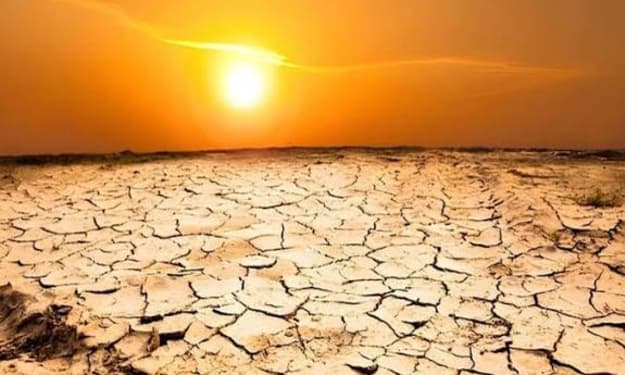
The Pakistan Meteorological Department has issued a forecast indicating that Sindh province is expected to experience a prolonged period of dry weather over the coming weeks. Meteorologists say the region will see little to no rainfall, with temperatures remaining above seasonal averages, raising concerns about agriculture, water resources, and public health. According to the Met Office, a high-pressure system over the Arabian Sea and the Indian subcontinent is likely to dominate weather patterns in Sindh for the next fortnight. This atmospheric configuration inhibits cloud formation, leading to clear skies and minimal precipitation. Forecasts predict daytime temperatures in major cities, including Karachi and Hyderabad, to hover between 28°C and 34°C, slightly above the long-term average for this period. Nighttime temperatures are expected to remain mild, ranging from 18°C to 22°C. The dry spell comes at a critical time for the agricultural sector. Sindh is a major contributor to Pakistan’s wheat, sugarcane, and rice production. Farmers are being advised to monitor soil moisture levels carefully and consider supplemental irrigation for crops at sensitive growth stages. Prolonged dry conditions can affect germination, yield, and quality, particularly for wheat crops that rely on moderate rainfall in the final stages before harvest. Water resource management is also expected to become a key challenge. Reservoirs and canals in Sindh, which depend on upstream flows from the Indus River system, are already operating at variable levels due to reduced inflows and increased water demand. Local authorities are monitoring water distribution closely, emphasizing conservation measures and urging residents to avoid excessive usage. In some districts, water rationing plans may be activated if the dry period persists. Public health officials have cautioned about potential heat-related risks. Although the current temperatures are not extreme, prolonged dry conditions can exacerbate health issues, particularly for vulnerable populations such as the elderly, children, and people with preexisting medical conditions. Heat stress, dehydration, and respiratory issues may become more common if residents do not take appropriate precautions. Health authorities recommend staying hydrated, avoiding prolonged exposure to the sun during peak hours, and ensuring access to cool environments. The Met Office also noted that dust storms and haze could occur in some areas due to the dry conditions combined with occasional strong winds. These phenomena can reduce visibility and impact road traffic, aviation, and outdoor activities. Residents are advised to take safety precautions, particularly when traveling, and to follow local advisories regarding dust and air quality. Economists have warned that the dry spell could have indirect effects on local markets. Reduced crop output may drive up food prices, especially for wheat, rice, and vegetables, affecting household budgets and contributing to inflationary pressures. Traders and suppliers are being advised to monitor market conditions and plan accordingly to avoid shortages or sudden price hikes. Despite the dry weather, meteorologists have noted that this pattern is part of a natural seasonal variation. Sindh typically experiences dry periods during the pre-monsoon and post-winter seasons, and occasional heat waves are not unusual. However, experts also emphasize that climate change may be altering rainfall patterns, leading to longer dry spells and more unpredictable weather events. Continuous monitoring and early warning systems are essential to mitigate risks to agriculture, water supplies, and public health. Authorities in Sindh have urged residents and local businesses to remain vigilant. Farmers should adopt efficient irrigation practices, municipal agencies should ensure water distribution networks function effectively, and the public should take measures to protect health and safety. Collaboration between government departments, meteorological agencies, and the community will be crucial in managing the impacts of this dry period. Looking ahead, the Met Office expects the dry spell to continue into late March, with little relief from rainfall until the onset of the pre-monsoon showers. While temperatures are likely to remain moderate, the persistence of dry weather underscores the need for careful planning and resource management in Sindh. Residents are encouraged to stay updated with official forecasts and advisories to minimize the effects of prolonged dry conditions on daily life and livelihoods.
By Fiaz Ahmed 5 days ago in Longevity



Comments
There are no comments for this story
Be the first to respond and start the conversation.