
The Role of Food in Enhancing Longevity and Vitality
How Nutrition Can Impact Lifespan: Exploring the Foods and Habits That Promote Longevity
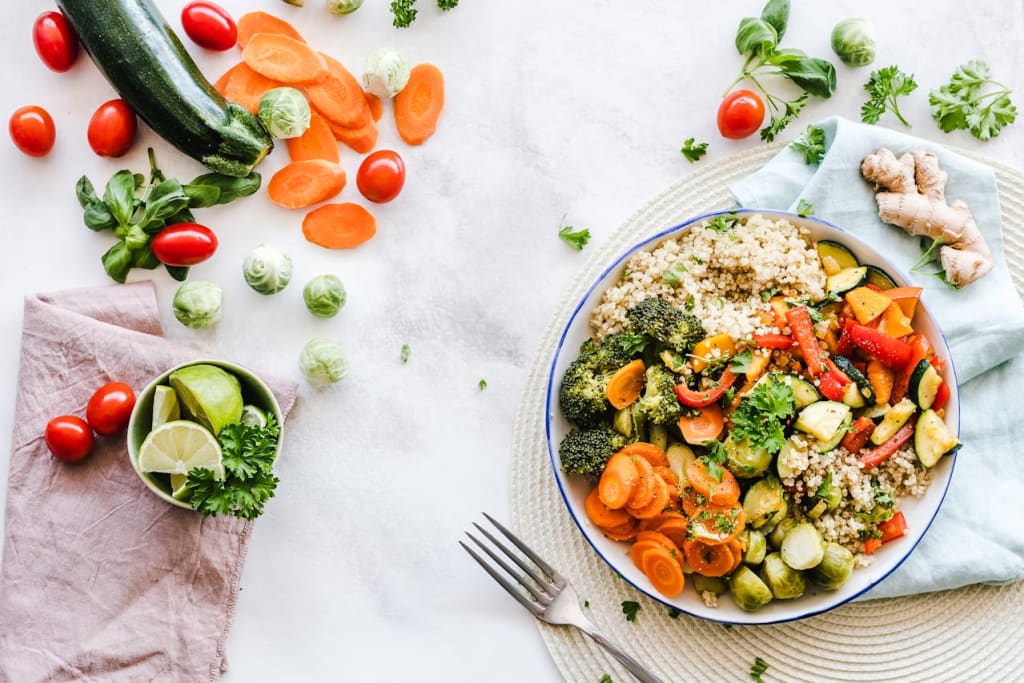
In recent years, the quest for longevity has moved beyond just genetic factors to focus on lifestyle choices, with food playing a pivotal role in enhancing lifespan and quality of life. The connection between longevity and food is an evolving area of scientific research, with numerous studies highlighting the impact of diet on aging and the prevention of age-related diseases. By understanding the foods that contribute to a longer, healthier life, individuals can make informed decisions that positively affect their overall well-being.
The Science Behind Food and Longevity
Longevity isn’t just about living longer; it’s about living better. While genetics play a role in our lifespan, environmental factors, including diet, exercise, and mental health, significantly influence how we age. Nutrition is a key player in this process, affecting everything from cellular repair to the immune system's functionality.
Research has shown that certain foods contain compounds that help reduce inflammation, promote heart health, and support cognitive function, all of which contribute to aging gracefully. For example, antioxidants found in fruits and vegetables help neutralize free radicals in the body—unstable molecules that can damage cells and accelerate aging. Chronic inflammation, linked to various diseases such as arthritis, Alzheimer’s, and heart disease, can also be minimized by a diet rich in anti-inflammatory foods like fatty fish, nuts, and leafy greens.
Mediterranean Diet: A Model for Longevity
One of the most well-known dietary patterns associated with longevity is the Mediterranean diet. This diet emphasizes plant-based foods, healthy fats, whole grains, and lean proteins, particularly from fish. The Mediterranean diet is low in processed foods and refined sugars, focusing instead on foods that are nutrient-dense and rich in antioxidants, vitamins, and healthy fats, particularly omega-3 fatty acids.
Countries around the Mediterranean, including Italy, Greece, and Spain, boast some of the longest life expectancies in the world. This can be attributed in part to the region's emphasis on food that supports heart health, reduces the risk of chronic diseases, and promotes cognitive function. Studies have shown that the Mediterranean diet can lower the risk of cardiovascular diseases, diabetes, and certain cancers—conditions that are common contributors to premature death.
Key Foods That Promote Longevity
While no single food can guarantee a longer life, incorporating certain nutrient-rich foods into your daily meals can significantly impact your health and longevity. Some of these include:
Berries: Rich in antioxidants, particularly flavonoids, berries like blueberries, strawberries, and raspberries are known to help protect the brain from age-related cognitive decline. They also contain anti-inflammatory properties that support heart health and overall vitality.
Leafy Greens: Vegetables like spinach, kale, and swiss chard are packed with vitamins, minerals, and fiber. These greens are excellent sources of folate, a B-vitamin that supports brain function and helps reduce the risk of heart disease. Their high levels of vitamin K also support bone health, which can be a concern as we age.
Nuts and Seeds: Nuts, especially almonds and walnuts, are rich in healthy fats, fiber, and plant-based protein. They help reduce bad cholesterol levels, lower the risk of heart disease, and promote a healthy weight. Seeds like flaxseeds and chia seeds are also rich in omega-3 fatty acids, which support cognitive function and reduce inflammation.
Fatty Fish: Salmon, mackerel, sardines, and other fatty fish are packed with omega-3 fatty acids that help protect the brain, reduce the risk of heart disease, and support joint health. Omega-3s have also been linked to a lower risk of depression, promoting better mental health as we age.
Legumes and Beans: These plant-based proteins are an essential part of a longevity-promoting diet. Rich in fiber and low in fat, legumes help regulate blood sugar levels, support digestive health, and reduce the risk of chronic diseases like diabetes and hypertension.
Olive Oil: Extra virgin olive oil, a cornerstone of the Mediterranean diet, is rich in monounsaturated fats and antioxidants. Its anti-inflammatory properties help protect the heart, brain, and joints. Olive oil has also been linked to a reduced risk of stroke, cancer, and Alzheimer’s disease.
For those seeking additional support in their health journey, premium health supplements can complement these nutrient-dense foods, providing targeted vitamins and minerals that may be challenging to obtain through diet alone.
Intermittent Fasting and Longevity
Another aspect of the longevity-food connection is intermittent fasting, a practice that involves cycling between periods of eating and fasting. Intermittent fasting has gained popularity in recent years for its potential health benefits, including weight loss, improved metabolic health, and increased longevity.
Studies suggest that intermittent fasting can activate the body’s natural repair mechanisms, such as autophagy, a process where cells break down and remove damaged components. This can help reduce the buildup of toxins and promote healthier, longer-lasting cells. Additionally, intermittent fasting may help regulate blood sugar levels, reduce inflammation, and promote fat burning, all of which are essential for aging well.
Longevity Diets Around the World
Various regions of the world have developed longevity-promoting diets based on local foods, which can provide insights into how diet impacts lifespan.
Blue Zones: Blue Zones are regions where people live longer than average, often exceeding 100 years of age. These areas include Okinawa (Japan), Sardinia (Italy), and Loma Linda (California, USA). The diets in these regions are plant-heavy, focusing on whole foods like vegetables, legumes, nuts, and grains, with small amounts of animal products. People in these regions also tend to have strong social connections and regular physical activity, factors that further contribute to their longevity.
Traditional Asian Diets: Traditional Asian diets, particularly those in places like Korea and China, emphasize whole grains, fermented foods, and vegetables. Fermented foods like kimchi and miso are rich in probiotics, which support gut health—a critical factor in overall longevity. These diets also prioritize mindful eating, which can reduce overeating and promote better digestion.
The Link Between Gut Health and Longevity
An often-overlooked aspect of diet’s impact on longevity is gut health. The gut microbiome—trillions of bacteria, fungi, and viruses in our intestines—plays a crucial role in digestion, immunity, and even mental health. A healthy gut microbiome can help reduce inflammation, prevent chronic diseases, and support brain function.
A diet rich in fiber, fermented foods, and prebiotics (which feed beneficial gut bacteria) can enhance gut health and promote longevity. Foods like yogurt, kefir, sauerkraut, and kombucha are excellent sources of probiotics, while whole grains, legumes, and vegetables provide prebiotics that nourish the beneficial bacteria in the gut.
Conclusion
The relationship between food and longevity is undeniable. By making mindful food choices, such as eating a Mediterranean-inspired diet, incorporating nutrient-rich foods, and supporting gut health, individuals can significantly improve their chances of living a long, healthy life. In addition to the benefits that food offers for longevity, the social and mental health aspects of eating, such as enjoying meals with loved ones, should not be overlooked. Ultimately, the foods we eat are a powerful tool in shaping our longevity, and by focusing on nourishment, we can enhance both the quantity and quality of our years.
About the Creator
Keep reading
More stories from Brigitte Evans and writers in Longevity and other communities.
Precocious Puberty in Girls: A Comprehensive Guide for Parents
When puberty arrives earlier than expected, it can catch both parents and young girls by surprise. Precocious puberty in girls — or early puberty — often leaves parents searching for guidance on how to support their child’s physical and emotional growth. But while early puberty can feel concerning, understanding it is absolutely key, empowering you to help your daughter navigate this journey with confidence.
By Brigitte Evansabout a year ago in Longevity
Microsoft's Purposeful Marketing Deception About AI's Ability To Beat Physicians In Diagnosis
When you look at the world of scientific research... If you are not careful... You will be fooled into believing things that are not actually supported by the data.
By Dr. Cody Dakota Wooten, DFM, DHM, DAS (hc)a day ago in Longevity
Author’s Advice
If you would’ve asked me 20 years ago did I know I’d become a writer and an author, I would’ve said “nope, ain’t happening”. As fate would have it I did become an author and I can honestly say I’m loving it so far. It really does feel good to be a writer. I’ve learned a lot on this journey and I feel like with even me being as new to this world as I am, there’s some wisdom I need to share with every other aspiring author.
By Joe Patterson5 days ago in Journal




Comments (1)
Hello, just wanna let you know that if we use AI, then we have to choose the AI-Generated tag before publishing 😊