
The new trend-The Alkaline Vegans
The Alkaline vegans age slowly and have brilliant minds


The Alkaline Vegan: Unlocking Ageless Vitality and Razor-Sharp Cognition? Exploring the Buzz Behind This Emerging Lifestyle
For years, the vegan lifestyle has been recognized for its ethical and environmental benefits, as well as its potential to promote heart health and weight management. Now, a newer iteration is gaining traction: the alkaline vegan diet. Proponents claim this approach goes beyond traditional veganism, offering a powerful combination for slowing the aging process and sharpening cognitive function. But is there substance to these claims, or is it just another fleeting trend?
The core principle of the alkaline vegan diet revolves around the idea that the body functions optimally when its pH level is slightly alkaline (around 7.4). This diet advocates for consuming primarily alkaline-forming foods, while severely limiting or eliminating acidic foods. In the context of veganism, this means embracing a diet rich in leafy greens, non-starchy vegetables, fruits, nuts, seeds, and certain legumes, while carefully avoiding grains, processed foods, refined sugars, and even some seemingly healthy plant-based staples like mushrooms, peanuts, and soy products (depending on the strictness of the individual).
The Alkaline Argument: Balancing pH for Optimal Health
The alkaline diet, in general, rests on the premise that modern Western diets, often high in processed foods, animal products, and sugars, can create an acidic environment in the body. This, proponents argue, puts a strain on the body's buffering systems, forcing it to draw minerals from bones and tissues to neutralize the acidity. Over time, this chronic low-grade acidosis is purported to contribute to a range of health problems, including inflammation, osteoporosis, kidney stones, and even cancer.
While the scientific community is largely skeptical of the idea that diet can significantly alter blood pH (the body has robust mechanisms to maintain pH homeostasis), there is growing evidence to support the benefits of diets rich in fruits and vegetables. These foods are not only alkaline-forming but also packed with antioxidants, vitamins, minerals, and phytonutrients, which are known to combat inflammation, support cellular health, and protect against chronic diseases.
Alkaline Veganism: Amplifying the Benefits?
The alkaline vegan diet takes the potential benefits of both veganism and the alkaline approach and combines them. Veganism, by its very nature, excludes animal products, which are often considered acidic. By further focusing on alkaline-forming plant-based foods, the diet aims to maximize the potential for creating an internal environment that supposedly promotes optimal health and longevity.
The Promise of Slowed Aging:
The allure of slowing down the aging process is a powerful motivator for many. Proponents of the alkaline vegan diet suggest that it can contribute to this goal through several mechanisms:
Reduced Inflammation: Chronic inflammation is a major driver of aging and age-related diseases. An alkaline vegan diet, rich in anti-inflammatory plant-based foods, may help to dampen this inflammatory response.
Antioxidant Powerhouse: Fruits and vegetables are brimming with antioxidants that protect cells from damage caused by free radicals. This cellular protection is crucial for maintaining youthful vitality and preventing age-related decline.
Telomere Support: Telomeres are protective caps on the ends of chromosomes that shorten with age. Some research suggests that diets rich in antioxidants and plant-based foods may help to protect and even lengthen telomeres, potentially slowing down the aging process at a cellular level.
Gut Health Optimization: The alkaline vegan diet emphasizes fiber-rich foods, which promote a healthy gut microbiome. A balanced gut microbiome is essential for nutrient absorption, immune function, and overall well-being, all of which contribute to healthy aging.
Sharpening the Mind: Cognitive Enhancement Through Diet
Beyond its potential anti-aging benefits, the alkaline vegan diet is also touted for its ability to enhance cognitive function. This claim is based on the idea that a healthy brain requires a consistent supply of nutrients and protection from inflammation and oxidative stress.
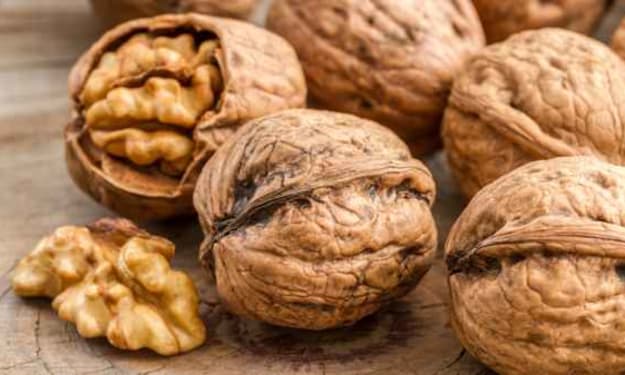
Brain-Boosting Nutrients: The diet is rich in nutrients essential for brain health, such as B vitamins, vitamin K, folate, and omega-3 fatty acids (found in flaxseeds, chia seeds, and walnuts). These nutrients play vital roles in neurotransmitter production, nerve cell function, and overall brain health.
Improved Blood Flow: Plant-based diets are often associated with improved blood flow, which is crucial for delivering oxygen and nutrients to the brain. Better blood flow can enhance cognitive function, memory, and focus.
Neuroprotective Effects: The antioxidants and phytonutrients in alkaline vegan foods may protect the brain from damage caused by free radicals and inflammation, potentially reducing the risk of neurodegenerative diseases like Alzheimer's disease.
Gut-Brain Connection: A healthy gut microbiome, fostered by a fiber-rich alkaline vegan diet, can positively impact brain function through the gut-brain axis. This complex communication system allows the gut and brain to influence each other, affecting mood, cognition, and behavior.
Challenges and Considerations:
While the potential benefits of the alkaline vegan diet are intriguing, it's crucial to approach this lifestyle with caution and awareness of its challenges:
Nutrient Deficiencies: A poorly planned vegan diet, even an alkaline one, can lead to deficiencies in essential nutrients like vitamin B12, iron, calcium, vitamin D, and omega-3 fatty acids. Careful planning and supplementation are necessary to ensure adequate intake of these nutrients.
Restrictive Nature: The alkaline vegan diet is quite restrictive, which can make it challenging to follow long-term. It requires careful meal planning and a deep understanding of which foods are alkaline-forming and which are acidic.
Lack of Strong Scientific Evidence: While there is evidence supporting the benefits of plant-based diets and the importance of consuming fruits and vegetables, there is limited research specifically investigating the impact of the alkaline vegan diet on aging and cognitive function. More rigorous scientific studies are needed to validate these claims.
Individual Variation: Dietary needs and responses vary from person to person. What works for one individual may not work for another. Consultation with a registered dietitian or healthcare professional is recommended before making significant dietary changes.
Conclusion:
The alkaline vegan diet offers a compelling framework for promoting health and well-being through a combination of plant-based eating and a focus on alkaline-forming foods. While the claims of slowed aging and enhanced cognitive function are intriguing, they should be viewed with a healthy dose of skepticism. The potential benefits likely stem from the diet's emphasis on nutrient-rich, anti-inflammatory foods, rather than a direct impact on blood pH.
Ultimately, the alkaline vegan diet may be a valuable option for individuals seeking to optimize their health through diet, but it's essential to approach it with careful planning, awareness of potential nutrient deficiencies, and the understanding that more research is needed to fully validate its purported benefits. As with any dietary approach, individual response will vary, and consultation with a healthcare professional is always recommended. The key to unlocking ageless vitality and a brilliant mind likely lies in a holistic approach that encompasses not only diet but also regular exercise, stress management, adequate sleep, and a strong social support system.
About the Creator
MGS
Web Content Writer
Doctors Hate How Simple This Longevity Secret Is (But It Might Add Years to Your Life)
Longevity has become one of the most talked-about topics in modern health. Everywhere you look, there are promises of anti-aging breakthroughs, advanced supplements, and complex routines designed to extend life. It creates the impression that living longer is complicated—something reserved for those with access to the latest science and unlimited resources.
By Lukáš Hrdlička5 days ago in Longevity



Comments
There are no comments for this story
Be the first to respond and start the conversation.