
The New Rules of Lifting: Six Basic Moves for Maximum Muscle" by Lou Schuler and Alwyn Cosgrove!!!
The New Rules of Lifting: Six Basic Moves for Maximum Muscle!!!

"The New Rules of Lifting: Six Basic Moves for Maximum Muscle" is a comprehensive fitness book written by Lou Schuler and Alwyn Cosgrove, designed to help individuals achieve maximum muscle growth and strength through six fundamental exercises. The book provides a fresh perspective on weightlifting and challenges traditional fitness notions.
Schuler and Cosgrove introduce the concept of "metabolic strength training," which involves high-intensity workouts that maximize muscle activation while simultaneously boosting metabolic rate. They argue that traditional cardio workouts alone are not sufficient for achieving optimal body composition and muscle development.
The authors outline six basic moves that form the foundation of their training philosophy: squat, deadlift, lunge, push, pull, and twist. They emphasize the importance of these compound exercises in engaging multiple muscle groups and triggering significant physiological adaptations.
"The New Rules of Lifting" incorporates progressive overload as a central principle, encouraging readers to gradually increase the weights they lift over time to continually challenge their muscles and promote growth. The authors provide guidance on proper form and technique for each exercise, ensuring safety and effectiveness.

The book also addresses common fitness myths and misconceptions, debunking the notion that weightlifting makes individuals bulky. Schuler and Cosgrove explain the benefits of weightlifting for both men and women, highlighting how it contributes to a lean and sculpted physique.
In addition to the exercise component, the authors emphasize the importance of nutrition and recovery for maximizing muscle growth. They discuss the role of macronutrients, such as protein, carbohydrates, and fats, in supporting muscle development and provide practical tips for structuring a balanced diet.
"The New Rules of Lifting" also addresses the psychological aspect of training, discussing the importance of goal setting, motivation, and overcoming plateaus. The authors provide strategies for staying consistent, tracking progress, and maintaining a positive mindset throughout the fitness journey.
Throughout the book, Schuler and Cosgrove draw on scientific research and their own experiences in the fitness industry to support their recommendations. They present the information in a clear and accessible manner, making it suitable for both beginners and experienced lifters.
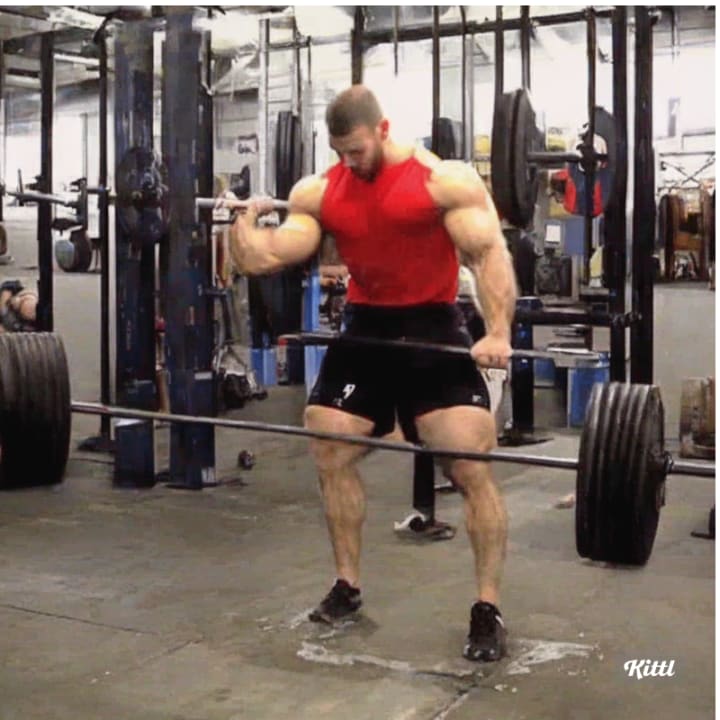
In summary, "The New Rules of Lifting: Six Basic Moves for Maximum Muscle" is a comprehensive guide to weightlifting and muscle development. It introduces readers to a fresh approach to training, emphasizing compound exercises, progressive overload, and metabolic strength training. With its evidence-based principles and practical advice, this book serves as a valuable resource for individuals seeking to maximize muscle growth, transform their bodies, and challenge conventional fitness wisdom.
"The New Rules of Lifting: Six Basic Moves for Maximum Muscle" is a comprehensive fitness book written by Lou Schuler and Alwyn Cosgrove, designed to help individuals achieve maximum muscle growth and strength through six fundamental exercises. The book provides a fresh perspective on weightlifting and challenges traditional fitness notions.
Schuler and Cosgrove introduce the concept of "metabolic strength training," which involves high-intensity workouts that maximize muscle activation while simultaneously boosting metabolic rate. They argue that traditional cardio workouts alone are not sufficient for achieving optimal body composition and muscle development.

The authors outline six basic moves that form the foundation of their training philosophy: squat, deadlift, lunge, push, pull, and twist. They emphasize the importance of these compound exercises in engaging multiple muscle groups and triggering significant physiological adaptations.
"The New Rules of Lifting" incorporates progressive overload as a central principle, encouraging readers to gradually increase the weights they lift over time to continually challenge their muscles and promote growth. The authors provide guidance on proper form and technique for each exercise, ensuring safety and effectiveness.
The book also addresses common fitness myths and misconceptions, debunking the notion that weightlifting makes individuals bulky. Schuler and Cosgrove explain the benefits of weightlifting for both men and women, highlighting how it contributes to a lean and sculpted physique.
In addition to the exercise component, the authors emphasize the importance of nutrition and recovery for maximizing muscle growth. They discuss the role of macronutrients, such as protein, carbohydrates, and fats, in supporting muscle development and provide practical tips for structuring a balanced diet.
The New Rules of Lifting" also addresses the psychological aspect of training, discussing the importance of goal setting, motivation, and overcoming plateaus. The authors provide strategies for staying consistent, tracking progress, and maintaining a positive mindset throughout the fitness journey.
Throughout the book, Schuler and Cosgrove draw on scientific research and their own experiences in the fitness industry to support their recommendations. They present the information in a clear and accessible manner, making it suitable for both beginners and experienced lifters.
In summary, "The New Rules of Lifting: Six Basic Moves for Maximum Muscle" is a comprehensive guide to weightlifting and muscle development. It introduces readers to a fresh approach to training, emphasizing compound exercises, progressive overload, and metabolic strength training. With its evidence-based principles and practical advice, this book serves as a valuable resource for individuals seeking to maximize muscle growth, transform their bodies, and challenge conventional fitness wisdom.
About the Creator
Keep reading
More stories from Luiz Heitor Machado and writers in Longevity and other communities.
Starting Strength: Basic Barbell Training" by Mark Rippetoe!!!
"Starting Strength: Basic Barbell Training" is a renowned fitness book written by Mark Rippetoe, focusing on the fundamental principles of barbell training for strength development. The book serves as a comprehensive guide for beginners and experienced lifters alike, providing step-by-step instructions, detailed explanations, and programming recommendations.
By Luiz Heitor Machado3 years ago in Longevity
Day 4 of Quitting
If this is how sobriety feels, maybe it’s better to go through life a little buzzed… this, along with other hits like, I want to kill myself, I wish I was dead, and I’m going to throw myself off a bridge have been the only thoughts on rotation these past few days. I promise myself that if, in a month, I still feel like this (‘this’ meaning despondent, full of rage, and simultaneously numb) I can go back to smoking. Until mid-February though? Nicotine is off the table.
By sleepy drafts11 days ago in Longevity
Wild Card Weekend Recap: What Happens Now?
I think I figured out why I love Wild Card Weekend so much. It's because it's the first playoff anything of the calendar year. The NFL season starts in the fall, and once upon a time, the champion was crowned either on or slightly before New Year's. The evolution of the NFL schedule has resulted in the playoffs starting just into the New Year, and currently, the final week of the season falls on the first weekend of the New Year, with Wild Card Weekend coming a week after that. So yes, chronologically, the NFL's Wild Card Weekend serves as the first playoff anything of the calendar year.
By Clyde E. Dawkins5 days ago in Unbalanced



Comments
There are no comments for this story
Be the first to respond and start the conversation.