
The Link Between Gut Health and Chronic Inflammation: What You Need to Know
Exploring the Connection Between Your Digestive System and Chronic Inflammation, and How It Impacts Your Overall Health.

Chronic inflammation is a growing problem that can lead to a range of health issues, from heart disease to autoimmune disorders. While there are many factors that can contribute to chronic inflammation, recent research has highlighted the important role that gut health plays in this process.
The gut is home to trillions of bacteria, fungi, and other microbes, collectively known as the gut microbiome. These microbes play a crucial role in digestion, immune function, and overall health. When the gut microbiome is disrupted, it can lead to chronic inflammation and a range of health problems.
Here's what you need to know about the link between gut health and chronic inflammation:
1. Gut Health and Immune Function
The gut is home to a large portion of the body's immune system, and the gut microbiome plays an important role in regulating immune function. When the gut microbiome is disrupted, it can lead to immune dysfunction and chronic inflammation.
2. Gut Health and Digestion
The gut microbiome also plays a crucial role in digestion, breaking down food and absorbing nutrients. When the gut microbiome is disrupted, it can lead to digestive problems, such as bloating, gas, and diarrhea.
3. Gut Health and Chronic Diseases
Studies have shown that chronic inflammation is a major contributor to a range of chronic diseases, including heart disease, diabetes, and autoimmune disorders. Recent research has also linked gut dysbiosis (an imbalance in the gut microbiome) to these same chronic diseases.
4. How to Improve Gut Health
Improving gut health is key to reducing chronic inflammation and protecting long-term health. Some strategies for improving gut health include:
• Eating a diet that's rich in fiber, whole grains, and fermented foods (like yogurt and kefir) to support a healthy gut microbiome.
• Avoiding processed foods, sugar, and other foods that can disrupt the gut microbiome.
• Taking a high-quality probiotic supplement to support a healthy gut microbiome.
• Reducing stress through techniques like meditation, yoga, or deep breathing exercises, as chronic stress can disrupt the gut microbiome.
• Getting enough sleep, as sleep deprivation can also disrupt the gut microbiome.
• Stay Hydrated
• Consider a Low-FODMAP Diet
What are FODMAPs?
FODMAPs are short-chain carbohydrates that are not well absorbed in the small intestine and can be fermented by bacteria in the large intestine, leading to digestive symptoms like gas, bloating, and diarrhea. The acronym stands for Fermentable Oligosaccharides, Disaccharides, Monosaccharides, and Polyols.
Examples of high-FODMAP foods include:
- Dairy products like milk, ice cream, and cheese
- Certain fruits like apples, pears, and peaches
- Certain vegetables like onions, garlic, and broccoli
- Legumes like chickpeas, lentils, and kidney beans
- Wheat and other grains like barley and rye
- Sweeteners like honey, agave, and high-fructose corn syrup
How Does the Low-FODMAP Diet Work?
The low-FODMAP diet involves three stages:
Elimination Phase: This phase involves avoiding high-FODMAP foods for a period of 2-6 weeks. During this time, you can eat low-FODMAP foods, including:
- Certain fruits like bananas, blueberries, and strawberries
- Vegetables like carrots, green beans, and zucchini
- Gluten-free grains like rice, quinoa, and oats
- Protein sources like meat, fish, and tofu
- Dairy alternatives like almond milk and lactose-free yogurt
Reintroduction Phase: After the elimination phase, you'll slowly reintroduce high-FODMAP foods one at a time to see which ones you can tolerate and in what amounts. This phase typically lasts for 6-8 weeks.
Personalization Phase: Based on the results of the reintroduction phase, you'll develop a personalized eating plan that allows you to enjoy a variety of foods while minimizing symptoms.
Who Should Try the Low-FODMAP Diet?
The low-FODMAP diet is most often recommended for people with IBS or IBD who are experiencing digestive symptoms like bloating, gas, and diarrhea. It is important to work with a registered dietitian or healthcare provider to ensure that the diet is appropriate for your individual needs.
Potential Benefits of the Low-FODMAP Diet
Studies have shown that the low-FODMAP diet can be effective in reducing symptoms of IBS and IBD. In addition, the diet may lead to improvements in quality of life, reduced anxiety and depression, and improved sleep.
Potential Risks of the Low-FODMAP Diet
The low-FODMAP diet can be restrictive and may be difficult to follow long-term. It is important to work with a registered dietitian or healthcare provider to ensure that you are getting all the nutrients you need while following the diet.
In addition, the elimination phase of the diet can be low in fiber, which is important for digestive health. It's important to incorporate low-FODMAP sources of fiber like quinoa, chia seeds, and green beans into your diet during this phase.
Overall, the low-FODMAP diet can be a helpful tool for managing digestive symptoms for some people. It's important to work with a registered dietitian or healthcare provider to determine if the diet is appropriate for your individual needs and to ensure.
About the Creator
Keep reading
More stories from Shams Abdullayeva and writers in Longevity and other communities.
Sleep for Two: Why Quality Sleep is Crucial for a Healthy Pregnancy
Pregnancy is an exciting time, filled with anticipation and wonder. As an expectant mother, you may be experiencing a range of emotions, from joy to anxiety. Amidst all of the changes and preparations, one aspect of pregnancy that can't be overlooked is the importance of quality sleep. In this article, we'll explore the essential benefits of sleep for both you and your growing baby, and share some tips for how to get the restful slumber you need during this exciting and demanding time.
By Shams Abdullayeva3 years ago in Families
Day 4 of Quitting
If this is how sobriety feels, maybe it’s better to go through life a little buzzed… this, along with other hits like, I want to kill myself, I wish I was dead, and I’m going to throw myself off a bridge have been the only thoughts on rotation these past few days. I promise myself that if, in a month, I still feel like this (‘this’ meaning despondent, full of rage, and simultaneously numb) I can go back to smoking. Until mid-February though? Nicotine is off the table.
By sleepy drafts18 days ago in Longevity
The great race for the Arctic: Why Russia, China and the US all have it in their sights
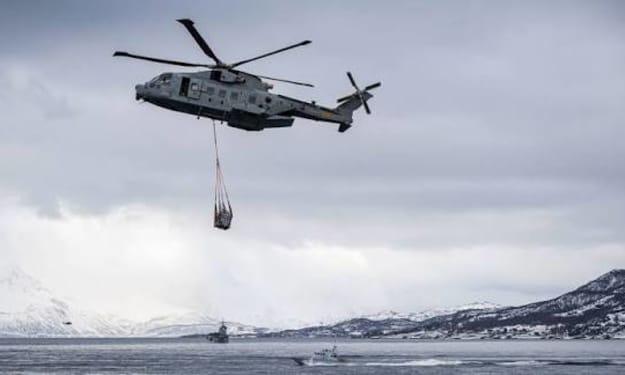
The Arctic is no longer just a frozen wasteland at the top of the world. Today, it has become a hotspot for global competition, attracting the attention of some of the world’s biggest powers: Russia, China, and the United States. As melting ice opens new shipping routes and exposes untapped natural resources, these nations are racing to secure influence in a region that could shape the future of geopolitics, trade, and energy. Why the Arctic Matters The Arctic is important for several reasons: Natural Resources – The region contains vast oil and gas reserves, as well as rare minerals crucial for modern technology. Experts estimate that the Arctic could hold 13% of the world’s undiscovered oil and 30% of its natural gas. Shipping Routes – As ice melts due to climate change, new passages like the Northern Sea Route and the Northwest Passage are becoming navigable. These routes could cut travel time between Asia and Europe by weeks, offering major economic advantages. Military and Strategic Positioning – The Arctic provides a unique vantage point for monitoring global military activity. Control over the region could give nations strategic leverage in both defense and trade. The combination of resources, strategic position, and new shipping routes has made the Arctic a prize worth competing for. Russia’s Arctic Ambitions Russia has been the most active player in the Arctic for decades: It has expanded its military presence, building airfields, radar stations, and icebreakers. Russia controls a vast portion of the Arctic coastline, giving it the advantage of established ports and infrastructure. Energy companies backed by the state are investing heavily in oil, gas, and mineral extraction in the region. Russia sees the Arctic as both an economic opportunity and a security priority. Its actions signal a clear intention to assert dominance over the region before other powers can catch up. China’s Arctic Strategy China is not an Arctic nation by geography, but it has made its ambitions clear: Beijing calls itself a “Near-Arctic State”, emphasizing its interest in shipping and resource access. China is investing in scientific research, Arctic ports, and partnerships with Arctic nations. The country sees the Northern Sea Route as a potential shortcut for trade between Asia and Europe, which could reduce shipping costs and fuel consumption. China’s approach is more economic and diplomatic, relying on partnerships and research projects rather than direct territorial claims. Still, its growing presence is reshaping the Arctic’s geopolitical landscape. The United States in the Arctic The US has long been an Arctic power, primarily through Alaska. Its strategy focuses on defense, environmental monitoring, and trade routes: The US Coast Guard maintains icebreakers and patrol ships to ensure security and maintain shipping lanes. Washington emphasizes freedom of navigation, aiming to prevent any single nation from dominating Arctic waters. Military exercises and collaborations with NATO allies aim to protect strategic interests and respond to potential conflicts. The US sees the Arctic as a region of both opportunity and responsibility, balancing security, environmental concerns, and international cooperation. The Race for Control The Arctic race is about more than natural resources. It is a complex competition of economics, diplomacy, and military positioning: Russia moves aggressively, building military infrastructure and exploiting resources. China invests in research, shipping, and partnerships, gaining influence without formal territorial claims. The US maintains a defensive posture, securing its territory and ensuring freedom of navigation. This “race” is unlike traditional conflicts. It is less about open warfare and more about strategic positioning, economic investment, and diplomatic influence. Environmental and Global Concerns The Arctic is fragile and sensitive to climate change. While melting ice opens opportunities, it also poses risks to wildlife, local communities, and global weather patterns: Rising temperatures accelerate ice melt, threatening polar bears, seals, and indigenous communities. Increased shipping and resource extraction could lead to oil spills, pollution, and habitat loss. Global climate patterns, including storms and ocean currents, could be disrupted by rapid Arctic changes. Nations are under pressure to balance ambition with environmental responsibility, though economic incentives often outweigh conservation efforts. What This Means for the Future The Arctic is likely to remain a geopolitical hotspot for decades. Key developments to watch include: Expansion of shipping routes that shorten travel times and reduce costs. Increased resource extraction, including oil, gas, and rare minerals. Rising military presence, as countries protect their interests and assert sovereignty. Scientific research collaborations, which could shape policy and environmental practices. The Arctic will not just be a frozen frontier — it will be a center of economic, strategic, and environmental importance. Key Takeaways The Arctic is valuable for its resources, trade routes, and strategic position. Russia, China, and the US are all investing heavily to secure influence. The race is a mix of military, economic, and diplomatic maneuvering. Climate change both enables and threatens these ambitions. How nations navigate this competition will impact global trade, security, and the environment. Conclusion The Arctic is no longer just an icy, remote region — it has become a frontline of global strategy. Russia, China, and the United States are all jockeying for influence, using a combination of military, economic, and scientific tools. As ice melts and new opportunities emerge, the Arctic will play a critical role in global geopolitics. How these powers manage competition, environmental responsibility, and cooperation could shape the region — and the world — for generations to come. The great race for the Arctic is not a story of war, but a story of ambition, strategy, and survival at the top of the world.
By Fiaz Ahmed 4 days ago in Longevity
Rage
Content Warning: Domestic Violence, Assault Rage D. A. Ratliff “Who did this?” My voice echoed through the house. All I wanted was a cup of tea, but one of the twins, running through the house like maniacs, knocked it over. My nerves tingled, and every muscle in my body felt coiled like a spring. Survival seemed out of reach.
By D. A. Ratliff6 days ago in Fiction



Comments
There are no comments for this story
Be the first to respond and start the conversation.