
The importance of sleep, you need to value your sleep
time, quality, etc.

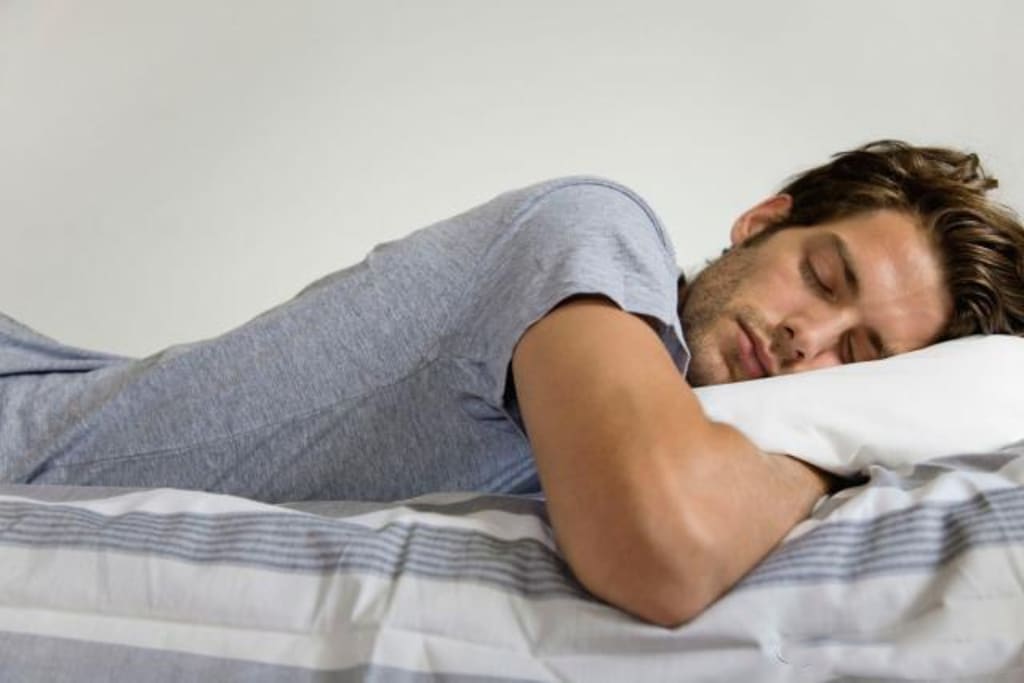
Sleep is a physiological necessity. Lack of sleep can affect health, mood, and the ability to concentrate. It can stress the body, weaken the immune system, memory, and at the same time make it harder to lose fat or gain muscle mass.
sleep needs
Sleep needs vary from person to person and can vary throughout life, but the average adult needs about 7-9 hours of sleep. Humans need a lot of sleep when they are young, and the need for sleep decreases with age. While some people think they can fully recover in four or five hours of sleep, that's not the case for most people.
Sleep quality
Assessing sleep quality can be difficult, but it is often understood as feeling well and rested. A more objective assessment can be obtained by measuring brain activity or similar movements during different stages of sleep. Sleep quality is particularly affected by blue light, and some smartwatches and smartphones have a sleep measurement feature that guides you into sleep. But just remember not to become overly dependent on electronics or forget how you feel about yourself.
sleep stage
Brain activity changes all the time during sleep. These changes are divided into stages and can be measured with an EEG (electroencephalogram), in which small electrodes record the activity of the brain. Sleep is divided into five distinct stages.
The first stage is drowsiness. The second stage is light sleep. The third and fourth stages are called deep sleep, the latter being the deepest. The fifth stage is REM sleep
After about an hour and a half of sleep, the fifth stage called REM (rapid eye movement) begins. During this phase, the brain waves are almost as if a person is awake, but the muscles of the body are completely relaxed. Most dreams occur during this stage, but dreams may occur during other sleep stages. This phase is very important for your resting state, where rapid eye movements can be seen.
Sleep duration and depth are regulated by factors such as sleep demand (homeostatic factor), circadian rhythm (circadian factor), and lifestyle.
The importance of lack of sleep
Sleep is very important for the structure of the brain and the metabolism of the human body. Numerous studies have shown that decreased sleep quality and shorter sleep duration have negative health effects. Consequences of sleep deprivation include an increased risk of obesity, impaired learning, and irritable behavior.
Long-term studies have shown that sleep deprivation also increases the risk of several diseases, such as Alzheimer's disease and diabetes, and may negatively impact life expectancy. At the same time, if you don't get enough sleep, you are more likely to give up exercising.
It can easily become a vicious cycle of sleep deprivation when modern lifestyles have irregular sleep times and less room for exercise, making it difficult to get proper sleep during a busy day. At the same time, alcohol and smoking are part of many people's lifestyles and have a very detrimental effect on sleep quality. So, if you want to get the best results from long training sessions, you need to prioritize getting enough sleep as well as good sleep quality.
5 tips for a good night's sleep
A regular bedtime may seem difficult, but it's actually quite simple to implement, and it can make a big difference to your sleep. Circadian rhythms are influenced by factors like sunlight, which is why you sleep better at night than during the day. Therefore, changing sleep times, working at night, etc. will negatively affect circadian rhythms.
Listening to the Body Many people ask "How long should I sleep?". This varies mainly from person to person, but it is enough to sleep until you feel your body recovering, and the guaranteed sleep is to function optimally in your daily life and not be tired during the day. Adults need an average of 7 to 9 hours, but sleep is best based on fatigue, and exercisers may need more sleep.
Dark, cool, and quiet bedroom light has an uplifting effect on the brain, especially blue light and high-intensity light from screens. Therefore, it is important that your bedroom should be a dark room with blackout curtains at your disposal. The room should be cooler than the living room, but not below 16 degrees. When you sleep at night, your body's core temperature drops, so it's best to make adjustments to your environment.
Reduce brain activity If you have thoughts during sleep, keep a notepad on your nightstand and jot them down so that when you have thoughts, you don't have to remember them, so you can relax and sleep without worrying about forgetting anything.
Be aware of stimulants Coffee and caffeine in tea and nicotine in cigarettes are two common stimulants that negatively affect sleep and should be avoided four hours before bedtime. While alcohol may make you fall asleep faster, in return, it may make your sleep quality worse, not as deep.
About the Creator
Steven Rose
Your area of expertise or skill lies in miscellaneous
Keep reading
More stories from Steven Rose and writers in Longevity and other communities.
Day 4 of Quitting
If this is how sobriety feels, maybe it’s better to go through life a little buzzed… this, along with other hits like, I want to kill myself, I wish I was dead, and I’m going to throw myself off a bridge have been the only thoughts on rotation these past few days. I promise myself that if, in a month, I still feel like this (‘this’ meaning despondent, full of rage, and simultaneously numb) I can go back to smoking. Until mid-February though? Nicotine is off the table.
By sleepy drafts16 days ago in Longevity
Global Biotechnology Market Size and Forecast 2025–2033: Innovation Reshaping the Future of Science, Healthcare, and Industry
Global Biotechnology Market Outlook The global biotechnology market stands at the center of one of the most transformative scientific revolutions of the modern era. Biotechnology, which applies biological systems, organisms, and derivatives to develop products and technologies, has moved far beyond traditional laboratory research. Today, it powers breakthroughs in healthcare, agriculture, environmental protection, and industrial manufacturing, influencing how societies address some of the world’s most pressing challenges.
By Renub Researcha day ago in Longevity
The CEO of Everything
They say "jack of all trades, master of none," but they forgot to mention the part where the jack of all trades is also the camera woman, the makeup artist, and the person currently yelling at a tangled Wii microphone cable in a her own bathroom while recording herself singing and trying to make it look realistic and professional. (As professional as you can make it with nothing but a cell phone camera and a mic that doesn't work)
By Sara Wilson6 days ago in Humans


Comments
There are no comments for this story
Be the first to respond and start the conversation.