
The Importance of Nutritious Foods and Essential Vitamins for the Body
The Role of Nutritious Foods in Health

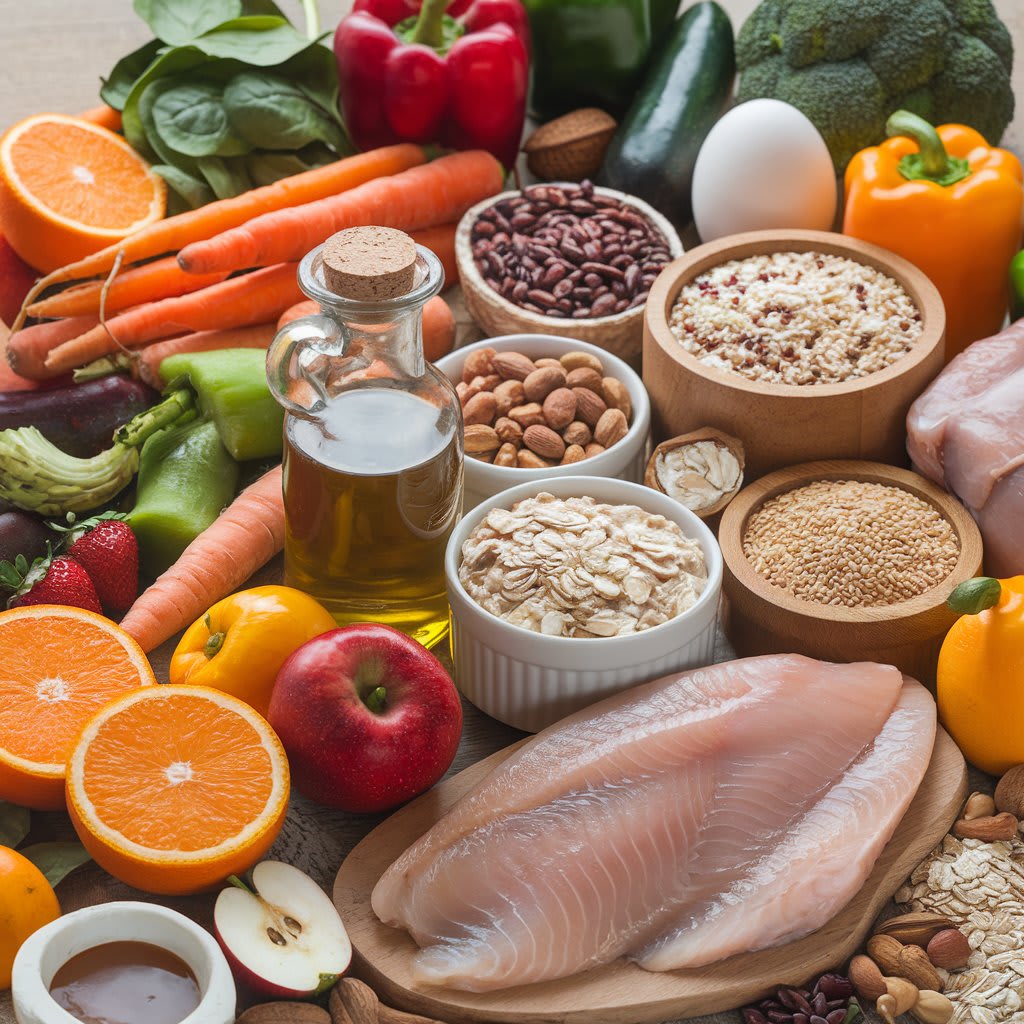
Nutritious foods are the cornerstone of a healthy lifestyle and optimal bodily functions. These foods fuel our bodies with energy, strengthen our immune system, and help maintain overall well-being. The benefits extend beyond physical health, positively affecting mental clarity and emotional stability as well. By ensuring a balanced intake of different food groups, individuals can tap into the full spectrum of essential nutrients required for the body’s various functions.
Vital Food Groups and Their Nutrients
Fruits and Vegetables
Fruits and vegetables are indispensable sources of essential vitamins, minerals, and dietary fiber. They contain antioxidants that combat oxidative stress and reduce the risk of chronic diseases. For example, citrus fruits like oranges and lemons are rich in Vitamin C, which is crucial for skin health and immune support. Leafy greens like spinach and kale provide Vitamin K, necessary for blood clotting and bone health.
Whole Grains
Whole grains, such as oats, brown rice, and quinoa, are excellent sources of complex carbohydrates, dietary fiber, and essential B vitamins. These grains help maintain steady blood sugar levels and support digestive health. B Vitamins in whole grains, like B1 (Thiamine), B2 (Riboflavin), and B3 (Niacin), play a critical role in energy metabolism and neurological health.
Proteins
Proteins are the building blocks of the body, essential for muscle repair, hormone production, and enzyme activities. Lean meats, fish, eggs, legumes, and nuts are rich in high-quality proteins. Fish, particularly fatty fish like salmon and mackerel, are abundant in Omega-3 fatty acids, which are vital for cardiovascular health and cognitive function.
Essential Vitamins and Their Benefits
Vitamin A
Vitamin A is pivotal for vision, immune function, and cellular communication. Foods rich in Vitamin A include carrots, sweet potatoes, and liver. This vitamin also plays a significant role in maintaining healthy skin and mucous membranes, which act as barriers to infections.
Vitamin B Complex
The Vitamin B complex includes eight different vitamins that collectively influence energy production, brain function, and cell metabolism. For instance:
B12 (Cobalamin): Found in fish, meat, poultry, and dairy products, B12 is crucial for red blood cell formation and neurological function.
B6 (Pyridoxine): Found in chickpeas, bananas, and tuna, B6 is involved in amino acid metabolism and neurotransmitter synthesis.
Vitamin C
Vitamin C is essential for collagen synthesis, which promotes wound healing and skin elasticity. It also enhances iron absorption from plant-based foods and supports immune defense. Besides citrus fruits, red peppers, strawberries, and broccoli are excellent sources.
Vitamin D
Vitamin D enhances calcium absorption in the gut, facilitating the formation and maintenance of strong bones. Sunlight exposure stimulates Vitamin D synthesis in the skin. Fatty fish, fortified dairy products, and egg yolks are dietary sources of Vitamin D.
Tips for Incorporating Nutritious Foods into Daily Meals
Diversify Your Diet: Ensure a variety of fruits, vegetables, whole grains, and proteins are included in your meals to cover a broad spectrum of nutrients.
Plan Balanced Meals: Each meal should contain a mix of macronutrients—carbohydrates, proteins, and fats—to maintain energy levels and satiety.
Snacks and Smoothies: Opt for fruit and vegetable-based snacks and smoothies. Adding a handful of spinach or a scoop of protein powder to a fruit smoothie can substantially boost its nutritional profile.
Cook at Home: Preparing meals at home allows for better control over ingredients and portion sizes, making it easier to ensure nutrient-dense food choices.
Stay Hydrated: Adequate hydration is crucial, and consuming water-rich fruits and vegetables, like cucumbers and watermelon, contributes to overall fluid intake.
Conclusion
Nutritious foods and essential vitamins play a fundamental role in fostering optimal health and well-being. By embracing a balanced diet that incorporates a variety of food groups and specific vitamins, individuals can significantly improve their physical, mental, and emotional health. Practical meal planning and making conscious food choices can lead to sustained health benefits and a higher quality of life.
About the Creator
Benefit
انضم إلي في رحلة استكشاف مواضيع ملهمة ومفيدة، حيث تشارك أفكارًا جديدة ونصائح تقنية تساعدك في تحقيق أهدافك!"
Microsoft's Purposeful Marketing Deception About AI's Ability To Beat Physicians In Diagnosis
When you look at the world of scientific research... If you are not careful... You will be fooled into believing things that are not actually supported by the data.
By Dr. Cody Dakota Wooten, DFM, DHM, DAS (hc)a day ago in Longevity
The Best Time To Eat Breakfast for Blood Sugar and Energy
Eating breakfast within 1–2 hours of waking up can help support blood sugar and provide energy and nutrients to start your day. Eating breakfast at a consistent time is important. Changing meal times can disrupt the body’s internal clock, which helps regulate blood sugar. A balanced breakfast with complex carbs, protein, and healthy fats helps support blood sugar.
By Good health to everyone7 days ago in Longevity



Comments
There are no comments for this story
Be the first to respond and start the conversation.