
The Importance of Having a Retirement Withdrawal Strategy by Professionals like Lon Faccini
Maximizing the Longevity of Retirement Savings.


Planning for retirement involves more than just saving diligently; it also requires a thoughtful approach to how and when funds will be withdrawn. A retirement withdrawal strategy plays a critical role in ensuring long-term financial stability. Without a clear plan, retirees risk depleting their savings too quickly or facing unnecessary tax burdens. Therefore, having a defined strategy offers both financial security and peace of mind.
As individuals transition from the accumulation phase to the distribution phase of retirement, decisions about withdrawals must align with personal goals, lifestyle needs, and tax considerations. A well-crafted strategy helps balance income requirements with the longevity of retirement funds. Moreover, it supports financial flexibility while mitigating the risks of market volatility and inflation.
In addition, effective withdrawal planning supports better coordination between multiple income sources, such as pensions, Social Security, and investment portfolios. By structuring withdrawals properly, retirees can maximize returns, minimize losses, and sustain a comfortable standard of living throughout retirement. This makes a withdrawal strategy not just important—but essential.
Maximizing the Longevity of Retirement Savings
Preserving the value of retirement savings is essential for lasting financial security. A strategic withdrawal plan prevents early depletion and supports income needs over decades. Professionals such as Lon Faccini mention that structured distributions also help navigate periods of market decline with greater confidence and less disruption.
By following a set percentage rule, such as the 4% guideline, retirees can maintain a consistent withdrawal pattern. This approach offers predictability while reducing the chances of overspending. Additionally, adjusting withdrawals based on market performance can improve outcomes during economic downturns.
Another method involves creating a bucket strategy, dividing savings into short-term, medium-term, and long-term segments. This approach helps allocate funds based on time horizon and risk tolerance. It also reduces the likelihood of selling investments at a loss during volatile periods.
Managing Taxes Efficiently
A withdrawal strategy can significantly reduce the tax burden during retirement as highlighted by financial advisors such as Lon Faccini. Choosing which accounts to tap into first—such as taxable, tax-deferred, or Roth accounts—has major tax implications. Strategic sequencing helps control income levels and avoid higher tax brackets.
Taking withdrawals from taxable accounts early allows tax-deferred accounts to grow. This method delays required minimum distributions (RMDs) and limits taxable income in the early retirement years. It also offers flexibility in managing future tax obligations.
Additionally, converting traditional IRAs to Roth IRAs during low-income years can optimize long-term tax savings. Such conversions, when done carefully, allow future withdrawals to be tax-free. This enhances financial efficiency and reduces uncertainty in retirement planning.
Coordinating with Social Security and Pensions
A well-timed Social Security strategy works hand in hand with retirement withdrawals. Delaying benefits until age 70 can significantly increase monthly payments. In the meantime, strategic withdrawals can provide the necessary income to support living expenses.
Coordinating withdrawals with pension income requires careful consideration. Since pensions are typically fixed, withdrawals from savings must fill any income gaps. Aligning all sources ensures a steady income stream without overspending.
Moreover, understanding the interaction between Social Security and taxable income is critical. Professionals including Lon Faccini convey that large withdrawals from tax-deferred accounts can cause Social Security benefits to be taxed. Therefore, a balanced approach is essential to prevent unnecessary tax consequences.
Adjusting for Lifestyle and Market Conditions
A flexible withdrawal strategy accommodates changes in personal lifestyle. As retirees age, expenses may fluctuate based on health, travel, or housing choices. The ability to adapt withdrawals ensures ongoing financial comfort and control.
Economic shifts and market volatility can impact retirement assets. A dynamic withdrawal plan allows for adjustments in spending during market downturns. This prevents selling at a loss and preserves long-term portfolio health.
Furthermore, inflation can erode purchasing power over time. Including inflation adjustments in a withdrawal plan maintains a consistent standard of living. Retirees who anticipate and respond to these variables protect their financial well-being.
Incorporating Professional Financial Guidance
Financial advisors like Lon Faccini offer valuable expertise in building and maintaining a withdrawal strategy. They assess personal goals, investment risk, and market conditions to design tailored plans. Their input helps align withdrawals with long-term objectives.
In addition, professionals provide ongoing adjustments as needs and markets change. Regular reviews ensure the plan remains relevant and effective over time. This support offers clarity and reduces stress for retirees.
Also, advisors help navigate complex rules involving taxes, RMDs, and account types. Their knowledge ensures compliance and efficiency. With expert guidance, retirees gain confidence in managing their financial future responsibly.
A retirement withdrawal strategy is a cornerstone of successful financial planning. It ensures that retirees can draw income in a sustainable, tax-efficient manner while maintaining flexibility to adjust to life’s changes. Rather than leaving withdrawals to chance, a well-structured approach provides clarity, security, and a sense of financial control throughout retirement.
As retirement becomes longer and more dynamic, the importance of managing distributions wisely continues to grow. Retirees must navigate a range of factors, from taxes and market risks to lifestyle changes and healthcare needs. A sound withdrawal strategy takes all of these into account, offering comprehensive solutions tailored to individual goals.
Professionals such as Lon Faccini express that preparing a withdrawal strategy is not just about numbers—it is about protecting one’s future. With thoughtful planning and professional support, retirees can enjoy the fruits of their labor without fear of running out of resources. This makes the withdrawal strategy an indispensable part of any retirement plan.
About the Creator
Lon Faccini
Lon Faccini is a financial advisor who has been in the financial industry since 1996. He holds a Series 7, Series 63, Series 65, as well as licenses for life, health, and annuities.
Keep reading
More stories from Lon Faccini and writers in Longevity and other communities.
How to Retire Early: Steps to Financial Independence by Financial Advisors such as Lon Faccini
Retiring early remains a dream for many, yet it is entirely possible with strategic planning and consistent financial discipline. Achieving financial independence is not about earning a massive salary; rather, it is about managing money wisely, understanding long-term goals, and prioritizing savings over spending. Those who commit to this mindset often unlock the ability to retire years ahead of the traditional timeline.
By Lon Faccini9 months ago in Humans
Day 4 of Quitting
If this is how sobriety feels, maybe it’s better to go through life a little buzzed… this, along with other hits like, I want to kill myself, I wish I was dead, and I’m going to throw myself off a bridge have been the only thoughts on rotation these past few days. I promise myself that if, in a month, I still feel like this (‘this’ meaning despondent, full of rage, and simultaneously numb) I can go back to smoking. Until mid-February though? Nicotine is off the table.
By sleepy drafts18 days ago in Longevity
Natural Gas Prices Soar as Arctic Cold to Blast Upper Midwest and Descend Across U.S.
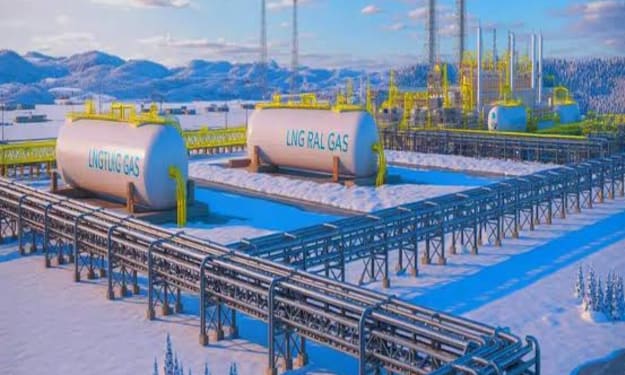
As an Arctic blast threatens to sweep across the Upper Midwest and beyond, natural gas prices in the U.S. have spiked sharply, reflecting concerns about rising energy demand amid extreme winter conditions. This chilling forecast comes as millions brace for plummeting temperatures, heavy snow, and the potential for widespread disruption to heating and power infrastructure. A Polar Vortex on the Horizon Meteorologists have confirmed that a polar vortex pattern will push frigid air from the Arctic southward, engulfing states such as Minnesota, Wisconsin, Michigan, and Illinois, before spreading across the broader U.S. heartland. Temperatures are expected to drop 20–30 degrees below normal in many areas, triggering an unprecedented surge in energy consumption as residents and businesses scramble to stay warm. This cold snap is not only a human concern but also a market-moving event. The increased demand for natural gas, the primary heating fuel for millions of American homes, is driving futures prices to new seasonal highs. Analysts warn that households relying on gas-fired heating systems could see higher energy bills in the coming weeks, and cities may need to implement conservation measures to prevent shortages. Why Natural Gas Prices Are Rising Natural gas markets are highly sensitive to temperature fluctuations. When the Arctic cold settles in, utilities ramp up consumption to maintain indoor temperatures, leading to a sharp increase in gas withdrawals from storage. With inventories already below average due to a milder-than-expected start to winter, traders are reacting to the anticipated strain on supplies, causing spot and futures prices to surge. Industry experts highlight several factors behind the current price spike: Limited storage levels: Natural gas storage was already below the five-year average heading into winter, leaving the market more vulnerable to cold snaps. High heating demand: Millions of U.S. households rely on natural gas for heating, and extreme cold can spike usage within days. Production constraints: Some production regions face logistical challenges, limiting the ability to ramp up output quickly. Global energy trends: International demand, particularly from Europe and Asia, has influenced domestic market sentiment, adding upward pressure on prices. The Human and Economic Impact The immediate effect of the cold blast will be felt by residents across the Upper Midwest. Utility companies are urging customers to insulate homes, monitor thermostat settings, and reduce nonessential energy use to help prevent potential outages. Rural areas, where energy infrastructure is less resilient, may face intermittent gas supply disruptions, forcing households to seek alternative heating methods. Emergency services are on alert, with shelters preparing to accommodate those unable to heat their homes. Economically, the surge in natural gas prices can have a ripple effect. Increased heating costs may strain household budgets, while industries reliant on natural gas for production—such as chemical manufacturing and food processing—could face higher operational expenses. Analysts suggest that retail prices for gas-heated utilities could rise by 15–25% during the peak of the cold spell, depending on the severity and duration of the freeze. Preparing for the Cold Utilities and government agencies are taking preemptive measures to mitigate the impact of the Arctic blast: Natural gas suppliers are coordinating to ensure adequate pipeline flow and prioritize critical infrastructure. State authorities are issuing advisories, encouraging residents to stock up on essentials and avoid unnecessary travel during extreme conditions. Energy markets are closely monitoring storage withdrawals and production levels to prevent shortages and stabilize pricing. Forecasters are also emphasizing the importance of long-term preparedness, as climate variability and extreme weather events may continue to test energy infrastructure. Investment in renewable energy, resilient heating systems, and strategic storage facilities is increasingly being seen as vital for ensuring reliable access to energy during future cold snaps. Outlook for the Week Ahead As the Arctic cold descends, natural gas markets will remain volatile, with prices likely to remain elevated until temperatures moderate. Analysts advise consumers and businesses to plan for higher bills, while policymakers evaluate potential interventions, such as short-term subsidies or energy relief programs, to support vulnerable populations. While the Upper Midwest braces for frigid temperatures, heavy snow, and high gas prices, the situation underscores a broader reality: energy markets and weather are increasingly intertwined, and extreme cold events can have immediate, widespread economic and social impacts. Conclusion The upcoming Arctic blast is a stark reminder of how weather can shape energy markets and daily life. With natural gas prices soaring, households, industries, and governments face a delicate balancing act: meeting heating demands while maintaining affordable and sustainable energy supplies. As the cold wave moves across the U.S., residents are urged to stay informed, conserve energy, and prioritize safety, while analysts continue to track market responses to one of the most severe winter threats of the season.
By Fiaz Ahmed 4 days ago in Longevity



Comments
There are no comments for this story
Be the first to respond and start the conversation.