
The History of Reconstructive and Plastic Surgery
Since ancient times, people wanted to look better

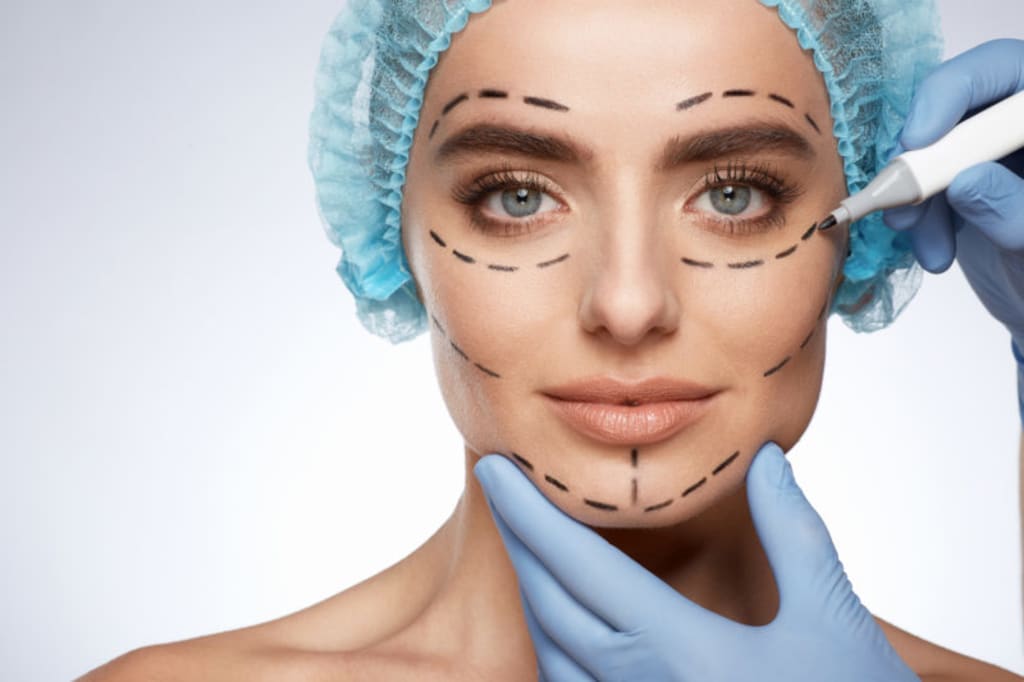
In Ancient Egypt, both men and women used so-called cosmetics to emphasize their eyes and eyebrows. That’s why it is not surprising that plastic surgery as a method to change the appearance was invented thousands of years ago. In this article, we will tell you about the history of plastic surgery.
Ancient times
Ancient India can be considered the birthplace of plastic surgery because the earliest attempts of skin transplantation were performed there at approximately 800 B.C. Generally, a lot of reconstructive surgeries and skin grafts were performed in the East. Unfortunately, plastic surgery in Europe developed very slowly, it improved only during the Greco-Roman period.
Certain surgical techniques for nose, lips, and ear reshaping were conducted exactly then. A lot of reconstructive methods that could repair facial defects were invented during the Byzantine period.
The Middle Ages
Despite the fact that plastic surgery was performed during the Middle Ages, the expanse of Christianity significantly affected its development. This happened because any surgery was strictly forbidden by the Church. Moreover, there were no hygiene standards and that put surgical patients at risk of getting infection and inflammation. But still, some improvements like repairing a cleft lip were invented.
The Renaissance
The Renaissance became a time of enlightenment in the field of science. Plastic surgery was developed as well. Eyelid plastic surgery and maxillofacial surgery were invented and improved throughout this period. One more surgical procedure that was performed to treat gynecomastia also appeared during the Renaissance. This procedure was aimed to reduce breasts for medical or aesthetic purposes.
World War I
Seventeenth and eighteenth centuries were poor on discoveries in the field of plastic surgery. Only in the late eighteenth and the nineteenth centuries, surgical technologies started to develop again. But only in the 20th-century, was plastic surgery used more frequently because of the consequences of World War I.
A lot of people were disfigured during the war and required medical help. And reconstructive surgery gave them an opportunity to look more normal. People also understood that appearance has a great influence on personal success. That’s why aesthetic surgery started to develop as a separate branch of plastic surgery.
The necessity of preventing infections and anesthesia also appeared in the early 20th century. Moreover, surgeons started to perform more complex procedures such as breast enlargement and rhinoplasty. These surgeries became known as cosmetic.
Modern plastic surgery
Common plastic surgery actually started to develop in the 1960s. Silicone became the most popular material in plastic surgery. At first, it was used to improve skin flaws and later it became the base for breast implants. In a few years, silicone tended to be used in most kinds of plastic surgery.
Plastic surgery becomes more perceptible by the public during the 1980s. Moreover, the amount of information about it increased and this made plastic surgery more available to all Americans. In the 1990s, health care reform led to a sharp reduction in reimbursement from insurance companies for plastic surgery. That’s why many surgeons had to work in cosmetic surgery as the only way to stay in the field.
Current plastic surgery
Today, plastic surgery is not considered unusual. We may not notice this but there are a lot of people around us who performed one or even several cosmetic surgeries. Moreover, we have an opportunity to learn a lot of information about each kind of plastic surgery. Anti-aging procedures are currently the most popular and demanded type of plastic surgery. Facial wrinkle fillers and Botox are used as injections to reduce skin and face imperfections.
Despite the fact that there is a lot of myth and misconceptions about plastic surgery, now it is discussed more than ever. As consumers, we are increasingly aware of the possible risks and benefits of plastic surgery. Moreover, the stigma that used to be associated with it is slowly disappearing.
About the Creator
Amelia Grant
I am journalist, and blogger.
Keep reading
More stories from Amelia Grant and writers in Longevity and other communities.
3 Things to Do Before Bed for Better Blood Sugar, According to Dietitians
KEY POINTS To keep your blood sugar from spiking in the morning, what you do the night before matters. Eating a balanced snack, limiting screens and gently moving all support healthy blood sugar. Other ways to help your morning blood sugar include reducing alcohol and managing stress.
By Good health to everyoneabout 20 hours ago in Longevity




Comments
There are no comments for this story
Be the first to respond and start the conversation.