
The Hidden Psychological Effects of Social Media — And How to Take Back Control
It’s more than just screen time — it’s shaping how we think, feel, and connect.

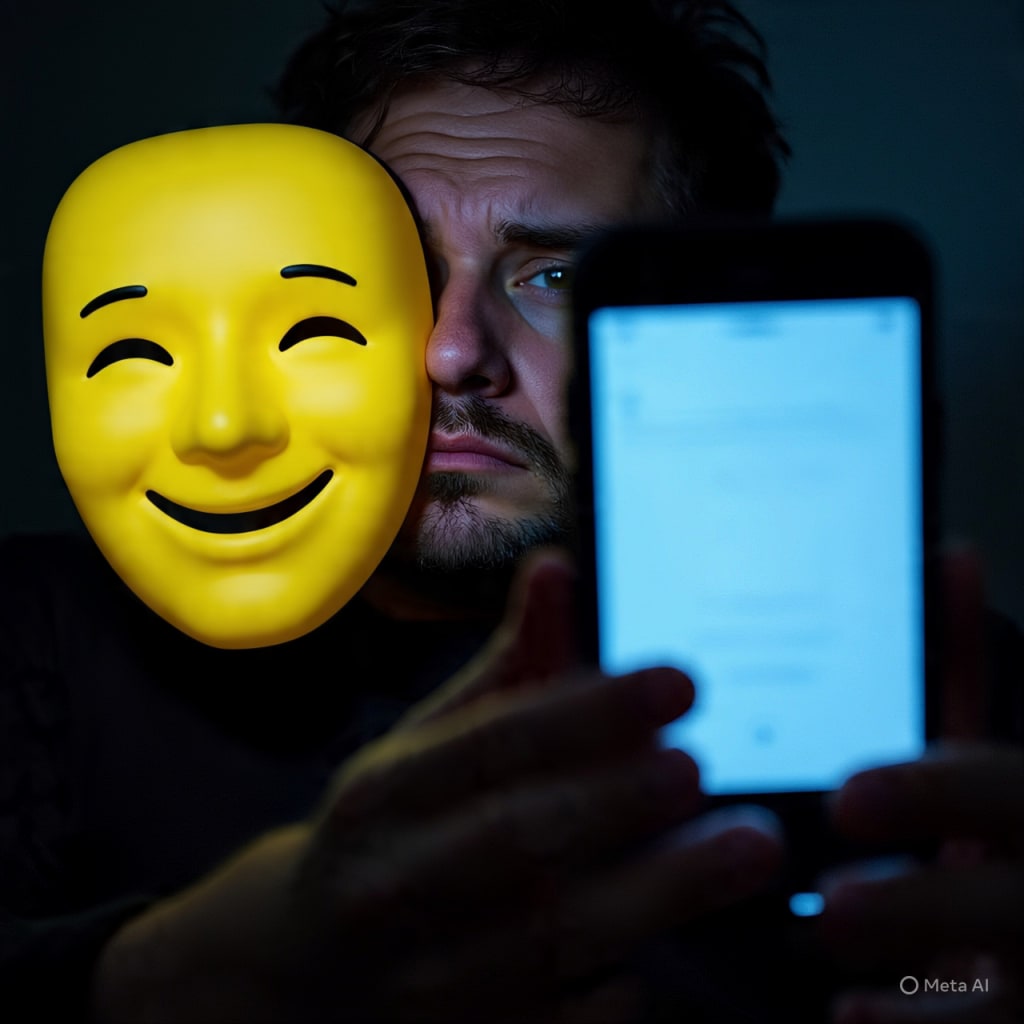
We scroll, we like, we share. For many of us, social media is the first thing we check when we wake up and the last thing we glance at before falling asleep. But beneath the surface of selfies and memes lies a growing psychological toll that few of us truly understand.
Social media has transformed the way we connect with the world — but at what cost to our mental well-being?
In this story, we’ll dive into the hidden psychological effects of social media, supported by research and real-world stories, and explore practical ways to regain balance in a digitally demanding world.
The Illusion of Connection
Social media platforms promise connection. With a few taps, we can reconnect with childhood friends, follow celebrities, and even participate in global conversations. But studies have shown that despite being “more connected,” people report feeling lonelier than ever.
Why?
Because online interaction lacks the emotional depth of face-to-face communication. We might have 1,000 friends on Facebook but no one to call at midnight when anxiety hits. This false sense of intimacy often leaves us empty — chasing digital likes instead of real support.
The Dopamine Loop: Engineered Addiction
Apps like Instagram and TikTok are designed to be addictive. Each notification, like, or comment triggers a tiny dopamine release — the same chemical involved in gambling and drug use. This is called a variable reward system: you never know what you’re going to get, and that uncertainty keeps you hooked.
Psychologists compare this behavior to pulling a slot machine lever. You keep refreshing your feed, hoping for something exciting. And when it doesn’t come, you feel disappointed — even if you don’t realize it.
Over time, this loop trains your brain to crave social validation, harming your ability to concentrate, regulate emotions, and even sleep.
The Comparison Trap
One of the most harmful effects of social media is unconscious comparison. We don’t compare ourselves to reality — we compare ourselves to curated highlights of others’ lives.
That friend who just got married, that influencer on a beach vacation, that entrepreneur who made six figures by age 25 — we see these polished moments and feel like we’re falling behind.
Even though we know it’s filtered, our brain doesn’t always process it that way. This constant comparison can lead to:
Lower self-esteem
Anxiety and depression
Body image issues (especially among teens)
The Pressure to Perform
In real life, you can just exist. On social media, you’re expected to perform.
You post the best photo.
You write the cleverest caption.
You time your upload for maximum engagement.
Soon, life starts to feel like content. Moments become potential posts, not memories. And when people don’t respond the way you hoped? It stings. You begin to tie your self-worth to numbers on a screen — likes, views, shares.
This can lead to performance anxiety, burnout, and even identity confusion. Who are you when you're not "posting"?
Cancel Culture & Online Shame
Another dark corner of social media is the rise of cancel culture and public shaming. One poorly worded tweet, a misunderstood joke, or even a false accusation can lead to widespread backlash. While accountability is important, the digital mob often lacks nuance or empathy.
For many, the fear of being judged or "called out" leads to silence or inauthenticity — people stop expressing their real opinions and instead curate “safe,” bland personas.
The mental toll of living under this scrutiny can’t be ignored.
Reclaiming Control: 5 Ways to Build a Healthier Relationship with Social Media
Now that we understand the damage, how can we fix it? Here are five practical, science-backed strategies:
1. Set Time Limits
Use tools like:
Screen Time (iPhone)
Digital Wellbeing (Android)
Apps like Freedom or Stay Focused
Start small: limit social media use to 1 hour per day, then gradually reduce.
2. Unfollow & Curate
Your feed shapes your mindset. Unfollow accounts that make you feel:
Inadequate
Angry
Drained
Follow those who inspire, educate, or bring you joy.
3. Turn Off Notifications
Push notifications are dopamine traps. Disable them and reclaim your attention. Check social media on your terms — not theirs.
4. Practice Digital Sabbaths
Choose one day a week to unplug completely. Go outside. Call a friend. Write. Cook. You’ll be amazed how peaceful it feels to disconnect.
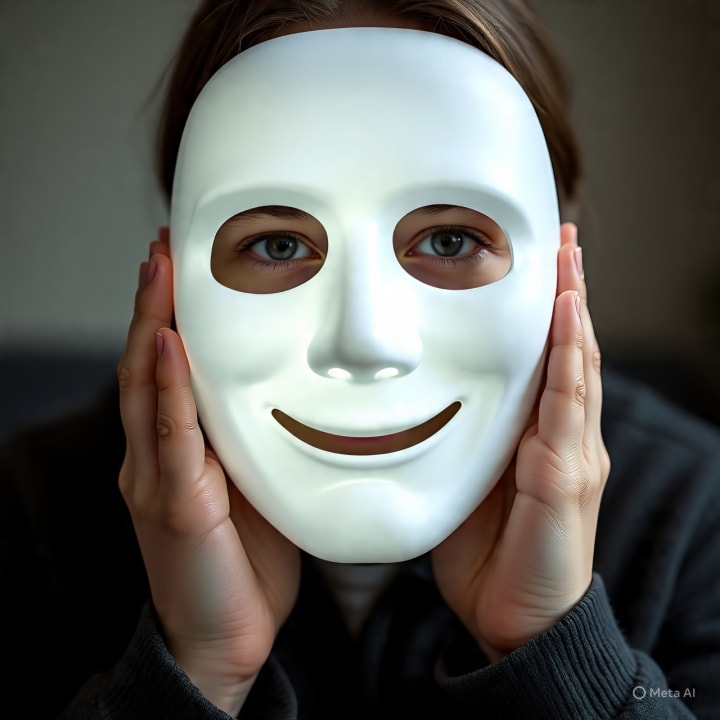
5. Remember: You Are Not Your Profile
Your worth isn’t defined by your follower count or how many people liked your latest selfie. You are more than your online persona.
Focus on real-life connections, passions, and growth. Social media is just a tool — don’t let it use you.
Final Thoughts
Social media is not inherently evil. It can educate, inspire, and connect. But like any powerful tool, it must be used wisely.
The first step is awareness — recognizing how it affects us mentally and emotionally. The second step is intentional action — setting boundaries, choosing authenticity, and prioritizing real human connection.
In the end, it’s not about quitting social media. It’s about using it with purpose, not addiction.
You deserve peace. You deserve presence. And you don’t have to scroll to find it.
If this story resonates with you, feel free to share your own experience below. Have you ever taken a break from social media? Did it change anything for you?
Let’s talk — human to human.
About the Creator
Riaz khan
Your one-stop destination for powerful visuals, meaningful content, and next-level storytelling. From cinematic videos to social media content that actually connects, we turn vision into reality. Ready to stand out?
"The Boy Who Sold Light"
In a remote village surrounded by mountains and silence, lived a boy named Aarav. His house was made of clay, with a tin roof that rattled during storms. Electricity was a luxury no one could afford in that part of the world. When the sun went down, the village went dark — not just physically, but metaphorically.
By Riaz khan6 months ago in Motivation
Day 4 of Quitting
If this is how sobriety feels, maybe it’s better to go through life a little buzzed… this, along with other hits like, I want to kill myself, I wish I was dead, and I’m going to throw myself off a bridge have been the only thoughts on rotation these past few days. I promise myself that if, in a month, I still feel like this (‘this’ meaning despondent, full of rage, and simultaneously numb) I can go back to smoking. Until mid-February though? Nicotine is off the table.
By sleepy drafts11 days ago in Longevity
How Breathing Became Easier Without Me Noticing When
I cannot point to the exact moment it happened. There was no sudden breath of freshness. No noticeable shift in temperature. No sound of ventilation kicking on. If you had asked me that day whether anything had changed in the room, I would have said no.
By illumipure3 days ago in Longevity



Comments
There are no comments for this story
Be the first to respond and start the conversation.