
The Essential Role of NHS Dentists in Public Oral Health Care
The Vital Role of NHS Dentists in Public Oral Health Care
Introduction:
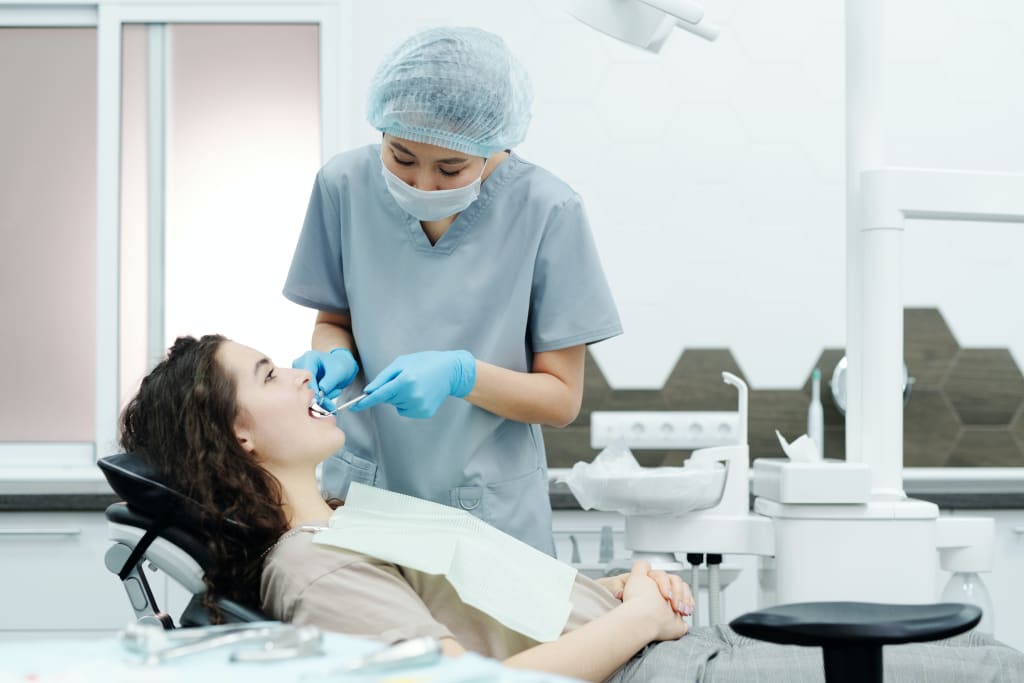
The National Health Service (NHS) dentistry plays a crucial role in providing accessible and affordable oral healthcare to the population of the United Kingdom. With a primary focus on prevention, treatment, and education, NHS dentists play an essential role in promoting good oral health and improving overall well-being. This article explores the significance of NHS dentists and highlights their contributions to public dental care.
Accessible Dental Care:
NHS dentists are instrumental in ensuring that dental care remains accessible to all, regardless of their socio-economic status. By offering services at affordable rates and providing treatment options for a wide range of dental issues, they help bridge the gap between oral health disparities and healthcare equity. Through their participation in the NHS, dentists uphold the principle that oral health should not be a luxury but a fundamental right for everyone.
Preventive Oral Healthcare:
Prevention is a cornerstone of NHS dentistry. Dentists working within the NHS focus on promoting oral health education, encouraging regular dental check-ups, and providing preventive treatments such as fluoride applications and dental sealants. These measures help prevent oral diseases such as dental caries (cavities) and periodontal (gum) diseases, ultimately reducing the need for more invasive and costly treatments in the future.
Treatment and Emergency Care:
NHS dentists offer a wide range of treatments, including routine check-ups, fillings, extractions, and root canal treatments. They diagnose oral diseases and conditions, develop treatment plans, and provide appropriate interventions to alleviate pain and restore oral health. Moreover, NHS dentists also play a vital role in emergency care, providing prompt treatment for dental emergencies and relieving patients from acute dental pain or infections.
Specialized Referrals:
In complex cases requiring specialized care, NHS dentists act as a gateway to further dental healthcare. They assess patients' oral health needs and refer them to relevant specialists, such as orthodontists, oral surgeons, or periodontists, ensuring that patients receive appropriate and timely treatment beyond the scope of general dental practice. This coordinated approach ensures comprehensive care and better outcomes for patients.
Benefits of NHS Dentistry:
- Affordability:
NHS dental treatment is designed to be affordable and accessible for all patients. The fees for NHS dental services are standardized, making it easier for individuals to plan and budget for their oral healthcare needs.
- Accessibility:
NHS dentistry ensures that oral healthcare services are available to everyone, regardless of their socioeconomic status. NHS dentists can be found in various locations across the UK, ensuring that individuals can access dental care conveniently.
- Quality Care:
NHS dentistry upholds high standards of care and follows evidence-based practices. Dentists working within the NHS system undergo extensive training and are regulated by professional bodies, ensuring the delivery of quality dental care.
Accessing NHS Dentistry:
To access NHS dentistry services, follow these steps:
- Find an NHS Dentist: Use the NHS website or call NHS 111 to find a nearby NHS dentist accepting new patients.
- Register with the Dentist: Contact the dental practice and register as an NHS patient. They will guide you through the registration process and provide necessary information.
- Book an Appointment: Once registered, book an appointment for a routine check-up or any required treatment.
- Attend Regular Check-ups: It is recommended to attend regular check-ups as advised by your NHS dentist to maintain optimal oral health.
Oral Health Promotion:
NHS dentists actively contribute to oral health promotion campaigns and initiatives. They engage with their patients, schools, and local communities to educate individuals about the importance of oral hygiene practices, healthy diets, and the risks associated with tobacco and alcohol use. By raising awareness and encouraging positive oral health habits, NHS dentists empower individuals to take responsibility for their oral health and make informed decisions.
Conclusion:
NHS dentists play a critical role in providing accessible, preventive, and comprehensive dental care to the population of the United Kingdom. Through their dedication to oral health promotion, treatment, and referrals, they contribute significantly to improving the overall oral health of the nation. The invaluable services provided by NHS dentists ensure that oral healthcare remains an integral part of the public health agenda and promotes equal access to quality dental services for all.
About the Creator
Day 4 of Quitting
If this is how sobriety feels, maybe it’s better to go through life a little buzzed… this, along with other hits like, I want to kill myself, I wish I was dead, and I’m going to throw myself off a bridge have been the only thoughts on rotation these past few days. I promise myself that if, in a month, I still feel like this (‘this’ meaning despondent, full of rage, and simultaneously numb) I can go back to smoking. Until mid-February though? Nicotine is off the table.
By sleepy drafts18 days ago in Longevity
Massage Pillow Market Size & Forecast 2026–2034: Comfort Tech Reshaping At-Home Wellness
Introduction: The Rise of At-Home Comfort Technology In an era defined by fast-paced lifestyles, digital overload, and increasing physical strain, consumers across the globe are seeking simple, effective solutions to relieve stress and muscle pain without stepping outside their homes. This shift has given rise to a booming segment within the wellness technology space: massage pillows. Once viewed as niche comfort accessories, massage pillows have rapidly evolved into sophisticated wellness devices that combine ergonomics, smart technology, and therapeutic benefits.
By Janine Root a day ago in Longevity
🅼🅸🅳🅽🅸🅶🅷🆃 🆂🅽🅰🅲🅺🆂
"It's 10 in Tuscon! We all know what that means... It's Time for Midnight Snacks with your man, Gerald Gee! Ready to spend the night together? Me too! I'm full of snacks and can't wait to regurgitate them all back into your hungry ears. Crack a brew! Pop some corn! Anything to get ready for one hell of a show where the talk maybe cheap but the words cut deep...
By Lamar Wiggins3 days ago in Fiction



Comments