
The Best Ways to Reduce Fat without Affecting Muscles while Doing Regular Excercise in the GYM
Some of the proven methods to reduce body fat while going to the gym for regular exercises

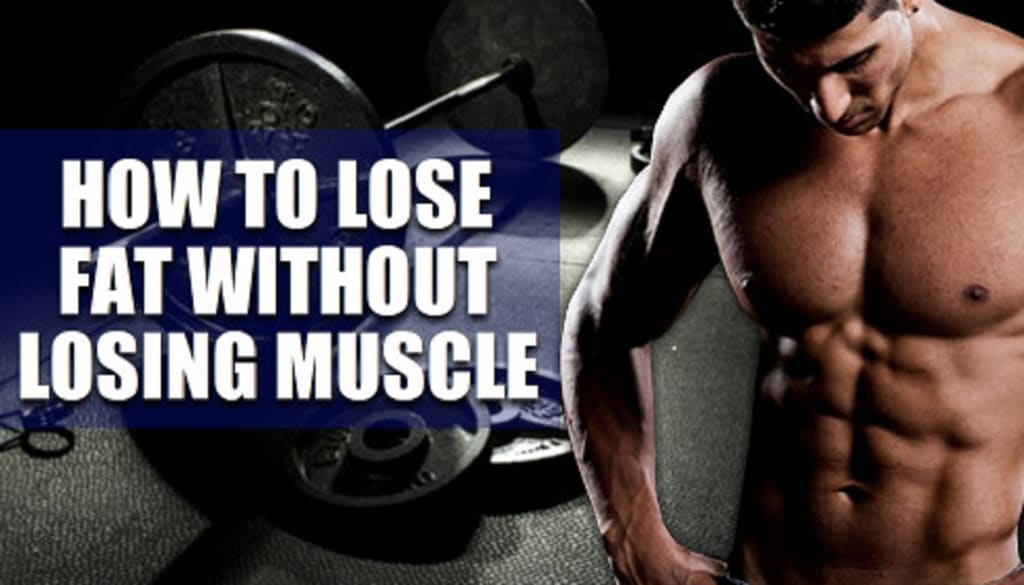
Maintaining a healthy balance between reducing body fat and preserving muscle mass is a common concern for many gym-goers. Fortunately, with the right combination of exercise and nutrition, it is possible to achieve both goals simultaneously.
To reduce body fat, a calorie deficit is essential. This means that you need to consume fewer calories than you burn in a day. To create a calorie deficit, you can either decrease your food intake, increase your physical activity or do both. However, reducing your calorie intake drastically can lead to muscle loss, which is something you want to avoid. Therefore, it is essential to monitor your diet carefully and ensure that you are still getting enough protein, carbohydrates, and healthy fats to maintain muscle mass while losing body fat.
In terms of exercise, a combination of resistance training and cardiovascular exercise is ideal. Resistance training helps to preserve muscle mass while also burning calories, and cardiovascular exercise burns additional calories to create a calorie deficit. Incorporating exercises that target multiple muscle groups, such as squats, deadlifts, bench presses, and pull-ups, are especially effective for maintaining muscle mass.
It is also important to prioritize recovery and rest to prevent muscle loss. Adequate sleep, hydration, and nutrition are crucial for muscle recovery and growth. Overtraining can lead to muscle loss, so it is essential to listen to your body and not push yourself too hard.
Thus, losing fat without affecting muscle mass is a challenging task for many people, especially for those who are regular gym-goers. The process of losing fat can be both physically and mentally demanding, and if not done correctly, can have adverse effects on the body. In this essay, we will discuss some of the most effective ways to reduce fat while maintaining muscle mass through regular exercise in the gym.
1. Calorie Deficit:
One of the most crucial aspects of losing fat is creating a calorie deficit. This means that you need to consume fewer calories than your body burns on a daily basis. A calorie deficit can be achieved in two ways; by reducing your calorie intake or increasing your physical activity, or both. It is essential to make sure you don't create too large of a calorie deficit, as this can negatively impact your muscle mass.
To create a calorie deficit, you need to figure out your daily caloric needs. This can be done by using an online calculator or consulting a registered dietitian. Once you have determined your daily caloric needs, you can start by reducing your calorie intake by 500-1000 calories per day, depending on your goals and how much weight you want to lose.
2. Resistance Training:
Resistance training is an excellent way to build and maintain muscle mass while losing fat. It is essential to focus on compound movements that work multiple muscle groups, such as squats, deadlifts, and bench press. These exercises not only help you burn fat but also help you build muscle mass.
Resistance training stimulates muscle growth by causing micro-tears in the muscle fibers. These micro-tears are repaired by the body during the recovery period, which results in increased muscle mass. Therefore, it is important to perform resistance training at least 2-3 times per week to maintain muscle mass while losing fat.
3. High-Intensity Interval Training (HIIT):
High-Intensity Interval Training (HIIT) is a form of cardiovascular exercise that alternates between short, intense bursts of activity and periods of rest or low-intensity activity. HIIT has been shown to be effective at burning fat while preserving muscle mass.
HIIT workouts are usually short and intense, lasting between 10-30 minutes. They are typically performed on a cardio machine such as a treadmill or bike, or with bodyweight exercises. HIIT workouts help you burn more calories in less time, which can help you achieve a calorie deficit and reduce fat without affecting muscle mass.
4. Eat Enough Protein:
Eating enough protein is essential for preserving muscle mass during fat loss. Protein is the building block of muscle tissue, and without enough protein, the body will break down muscle tissue to use as fuel.
Aim to consume at least 1 gram of protein per pound of body weight per day. Good sources of protein include chicken, turkey, fish, eggs, and Greek yogurt. Protein supplements, such as whey protein powder, can also be used to help meet your protein needs.
5. Stay Hydrated:
Drinking enough water is essential for maintaining muscle mass while losing fat. Water helps transport nutrients and oxygen to the muscles, and also helps remove waste products from the body. It is important to stay hydrated during exercise to avoid dehydration, which can lead to muscle cramps and fatigue.
Aim to drink at least 8 cups (64 ounces) of water per day to stay hydrated. You can also drink other low-calorie beverages, such as herbal tea or sugar-free sports drinks, to help meet your hydration needs.
6. Get Enough Rest:
Getting enough rest is essential for muscle recovery and growth. When you exercise, you create micro-tears in the muscle fibers. These micro-tears are repaired by the body during the recovery period, which results in increased muscle mass. Therefore, getting enough rest is crucial for muscle recovery and growth.
During exercise, particularly resistance training, the muscle fibers are subjected to stress, which causes micro-tears in the muscle tissue. This process is known as muscle damage. The body then responds by repairing these micro-tears during the recovery period, which is when the muscles grow and become stronger. This process is known as muscle adaptation.
However, the repair and adaptation process can only occur if the body is given sufficient rest and recovery time. Without adequate rest, the body will not have the time it needs to repair and adapt to the stress placed on the muscles during exercise. This can lead to overtraining and injury, which can be counterproductive to muscle growth.
Rest and recovery also play an important role in preventing muscle soreness and fatigue, which can hinder performance in subsequent workouts. Sufficient rest can help reduce inflammation and aid in the removal of waste products from the muscles, which can improve muscle function and enhance recovery.
In summary, getting enough rest is essential for muscle recovery and growth. It allows the body to repair and adapt to the stress placed on the muscles during exercise, which results in increased muscle mass and strength. Additionally, rest and recovery can help prevent muscle soreness and fatigue, which can improve performance in subsequent workouts.
All in all, to reduce body fat without affecting muscles, a combination of a calorie deficit, resistance training, cardiovascular exercise, and proper recovery and rest is crucial. By monitoring your diet, incorporating effective exercises, and prioritizing recovery, you can achieve your fitness goals while maintaining your muscle mass. Remember, consistency is key, and patience is necessary as these changes may take time to see the desired results.
About the Creator
Ephraim Daniel
I'm a Healthy Diet Enthusiast, Creative Writer, and Content Creator.
Keep reading
More stories from Ephraim Daniel and writers in Longevity and other communities.
100% Proven Ways to Lose Weight and Tone Your Body Without Using Any Equipment
When it comes to toning and losing weight, many people think they need to invest in expensive gym equipment or hire a personal trainer. However, there are plenty of effective exercises you can do at home with no equipment at all. These exercises help to burn calories, build muscle, and tone your body, all without the need for any specialized equipment.
By Ephraim Daniel3 years ago in Longevity
Day 4 of Quitting
If this is how sobriety feels, maybe it’s better to go through life a little buzzed… this, along with other hits like, I want to kill myself, I wish I was dead, and I’m going to throw myself off a bridge have been the only thoughts on rotation these past few days. I promise myself that if, in a month, I still feel like this (‘this’ meaning despondent, full of rage, and simultaneously numb) I can go back to smoking. Until mid-February though? Nicotine is off the table.
By sleepy drafts9 days ago in Longevity
United States Tumor Profiling Market Size and Forecast 2025–2033
United States Tumor Profiling Market Overview The United States Tumor Profiling Market is positioned for robust and sustained expansion as precision oncology becomes central to modern cancer care. According to Renub Research, the market is expected to grow from US$ 3.41 billion in 2024 to US$ 7.44 billion by 2033, registering a compound annual growth rate (CAGR) of 9.05% from 2025 to 2033.
By Aaina Oberoi6 days ago in Longevity




Comments
There are no comments for this story
Be the first to respond and start the conversation.