
The Benefits of Choosing Bamboo Cutlery for a Sustainable Lifestyle
Let’s explore why bamboo cutlery stands out, its benefits, and how it compares to other types of utensils.
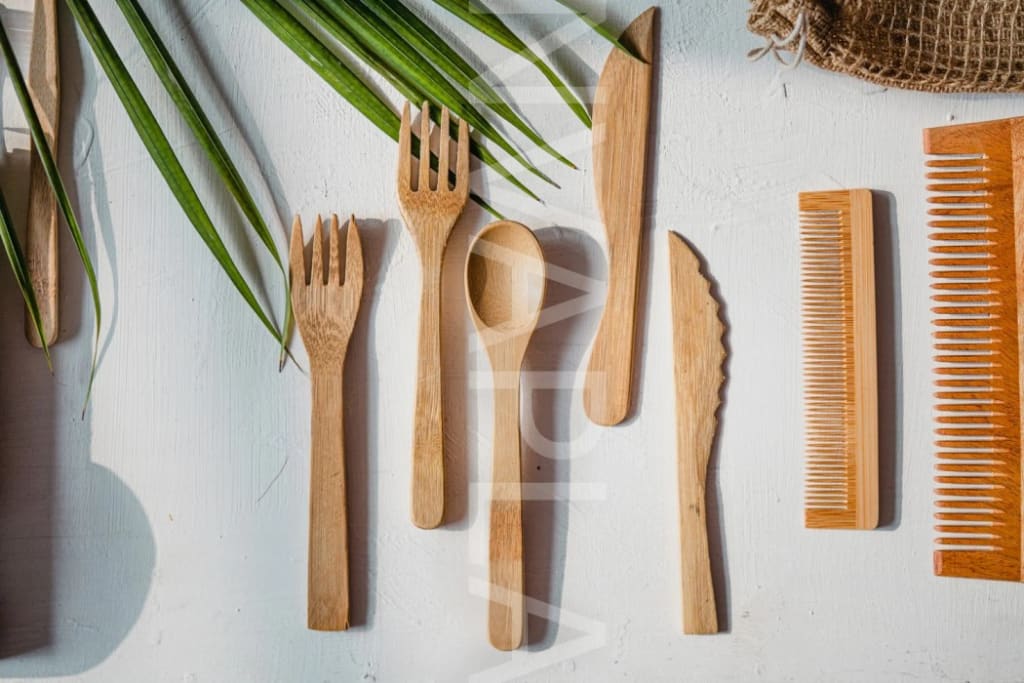
With the growing awareness of environmental sustainability, more people are turning to eco-friendly products in their everyday lives. Bamboo cutlery is one such product that offers a great alternative to traditional plastic or metal utensils. These utensils are lightweight, reusable, and biodegradable, making them an excellent choice for anyone looking to reduce waste and embrace a more sustainable lifestyle. Let’s explore why bamboo cutlery stands out, its benefits, and how it compares to other types of utensils.
What Makes Bamboo Cutlery Special?
Bamboo cutlery refers to eating utensils like forks, knives, spoons, and sometimes chopsticks made from bamboo—a fast-growing, renewable resource that’s both strong and versatile. Bamboo is a grass that regrows after harvesting without needing to be replanted, making it an exceptionally sustainable choice. Bamboo cutlery is not only eco-friendly but also has a natural aesthetic appeal and is generally free from harmful chemicals.
Why Bamboo Cutlery is Better for the Environment
The environmental impact of bamboo cutlery is far lower than that of plastic or even metal utensils. Here’s why bamboo cutlery is a sustainable choice:
1. Biodegradable and Compostable
Plastic cutlery is a major contributor to landfill waste and ocean pollution, taking hundreds of years to break down. In contrast, bamboo cutlery is biodegradable and compostable, meaning it will naturally decompose in a relatively short period. This makes bamboo cutlery a responsible choice for those who want to reduce their plastic footprint.
2. A Renewable Resource
Bamboo grows incredibly quickly—some species can grow up to three feet in a single day! Because it regenerates naturally without the need for pesticides or fertilizers, it’s a more sustainable resource than wood or plastic. Choosing bamboo cutlery helps support the use of renewable materials, encouraging a shift away from single-use plastics.
3. Minimal Environmental Impact
The production of bamboo cutlery requires less water and energy than producing plastic or metal cutlery. Additionally, bamboo is often harvested by hand, reducing the carbon footprint associated with machinery. Many manufacturers also avoid using harmful chemicals in the process, ensuring that bamboo cutlery remains an eco-friendly choice from production to disposal.
Bamboo Cutlery vs. Plastic and Metal Utensils
To understand the full impact of bamboo cutlery, let’s see how it stacks up against plastic and metal alternatives:
Bamboo vs. Plastic
Plastic utensils are typically single-use and often end up in landfills or oceans, where they take hundreds of years to decompose. During decomposition, plastic breaks down into microplastics, which harm marine life and enter the food chain. Bamboo cutlery, however, is reusable, biodegradable, and doesn’t leave behind any harmful microplastics, making it a far better choice for the planet.
Bamboo vs. Metal
Metal utensils are more durable than plastic but come with their own environmental challenges. The mining, refining, and production processes for metal cutlery require significant resources, including energy, water, and labor. Metal utensils are also heavier and less convenient for on-the-go use. Bamboo cutlery offers a lightweight, renewable, and eco-friendly alternative without the high environmental cost of metal.
Key Benefits of Using Bamboo Cutlery
Beyond its environmental advantages, bamboo cutlery has several practical benefits that make it an excellent choice for daily use:
1. Lightweight and Portable
Bamboo cutlery is naturally lightweight, making it ideal for carrying in a lunch bag, backpack, or even a purse. Many bamboo cutlery sets come with carrying cases, which make them convenient for travel, picnics, or meals at work.
2. Durable and Long-Lasting
Bamboo is surprisingly strong and durable, with natural antibacterial properties that help prevent odor and staining. With proper care, bamboo cutlery can last a long time, reducing the need to replace it frequently.
3. Safe and Chemical-Free
Unlike plastic, which can contain harmful chemicals like BPA, bamboo cutlery is usually made without toxic substances. Most bamboo utensils are treated with food-safe oils to improve their durability, ensuring that they are safe to use with hot or cold foods without the risk of chemical leaching.
4. Aesthetic Appeal
Bamboo cutlery has a unique, natural look that complements various table settings. Its earthy tones and smooth texture add a stylish, eco-conscious vibe to any meal, whether you’re dining at home or outdoors.
Caring for Your Bamboo Cutlery
Taking care of bamboo cutlery is straightforward, and with proper care, it can serve you well for a long time. Here are some tips:
Hand Wash Only: Avoid putting bamboo cutlery in the dishwasher, as high temperatures and strong detergents can weaken the bamboo. Hand wash it with mild soap and water instead, then dry it immediately.
Avoid Soaking: Prolonged exposure to water can cause bamboo to warp or split, so try not to leave it submerged in water.
Regular Oil Treatment: To keep bamboo cutlery from drying out, occasionally apply a food-safe oil, like coconut or mineral oil, which will help maintain its smooth finish.
Store in a Dry Place: Keep bamboo cutlery in a dry, ventilated area to prevent moisture buildup and mold growth.
By following these simple steps, you can ensure that your bamboo cutlery stays in excellent condition for many uses.
Where to Use Bamboo Cutlery
The versatility of bamboo cutlery makes it ideal for various occasions, whether at home or on the go:
Travel and Camping: Lightweight and easy to pack, bamboo cutlery is perfect for outdoor activities like camping, picnics, or travel.
Office Lunches: Instead of relying on disposable plastic utensils, bring a bamboo cutlery set to work for a sustainable lunch option.
Everyday Dining: Bamboo cutlery adds a natural, stylish touch to meals at home, especially for those who appreciate minimalist, eco-friendly aesthetics.
Conclusion: Making the Switch to Bamboo Cutlery
In conclusion, bamboo cutlery is a practical, sustainable, and stylish alternative to traditional utensils. It’s biodegradable, renewable, and free from harmful chemicals, making it a responsible choice for the environment. By choosing bamboo cutlery, you’re helping to reduce plastic waste, conserve resources, and support sustainable practices.
Switching to bamboo cutlery is a small yet impactful change that benefits both you and the planet. Whether you use it for meals at home, work, or outdoor adventures, bamboo cutlery offers an eco-friendly option that aligns with a greener lifestyle.
FAQs About Bamboo Cutlery
1. How long does bamboo cutlery last?
With proper care, bamboo cutlery can last several years. Regular oiling and prompt drying can help extend its lifespan.
2. Is bamboo cutlery safe for hot foods?
Yes, bamboo is heat-resistant, making it safe for both hot and cold foods.
3. Can I compost bamboo cutlery?
Yes, bamboo cutlery is fully compostable if it’s untreated or only finished with food-safe oils.
4. How do I clean bamboo cutlery?
Hand washing is recommended. Avoid soaking, and always dry it immediately after washing.
5. Where can I buy bamboo cutlery?
You can find bamboo cutlery at eco-friendly retailers, online stores, and some grocery shops. Look for responsibly sourced bamboo to ensure a high-quality product.
Switching to bamboo cutlery is an easy, effective way to live more sustainably and make a positive environmental impact. This eco-friendly option is not only good for the planet but also adds a unique, natural charm to your dining experience.
About the Creator
Keep reading
More stories from Chandan Thakur and writers in Longevity and other communities.
Push vs Pull Supply Chain: A Comprehensive Guide
In today's fast-paced and competitive market, businesses need to choose the right supply chain strategy to meet customer demand efficiently. The choice between push vs pull supply chain models is a critical decision that influences inventory management, production schedules, and overall business agility.
By Chandan Thakurabout a year ago in 01
Day 4 of Quitting
If this is how sobriety feels, maybe it’s better to go through life a little buzzed… this, along with other hits like, I want to kill myself, I wish I was dead, and I’m going to throw myself off a bridge have been the only thoughts on rotation these past few days. I promise myself that if, in a month, I still feel like this (‘this’ meaning despondent, full of rage, and simultaneously numb) I can go back to smoking. Until mid-February though? Nicotine is off the table.
By sleepy drafts29 days ago in Longevity
Ecclesiastes and the Weight of Meaninglessness
Have you ever noticed how unsettling Ecclesiastes feels compared to most of Scripture. It does not rush to reassure. It does not soften its conclusions. It returns again and again to the same observation: everything fades, everything repeats, and nothing under the sun seems capable of holding still long enough to become permanent. Wisdom fails to secure lasting satisfaction. Pleasure loses its edge. Work outlives the worker. Even moral effort appears unable to guarantee stability. For many readers, this tone feels almost dissonant, as if the book is saying out loud what faith is supposed to quiet.
By Peter Thwing - Host of the FST Podcast3 days ago in Longevity




Comments
There are no comments for this story
Be the first to respond and start the conversation.