
The Benefits and Drawbacks of the Ketogenic Diet:
A Comprehensive Analysis Of Ketogenic Diet
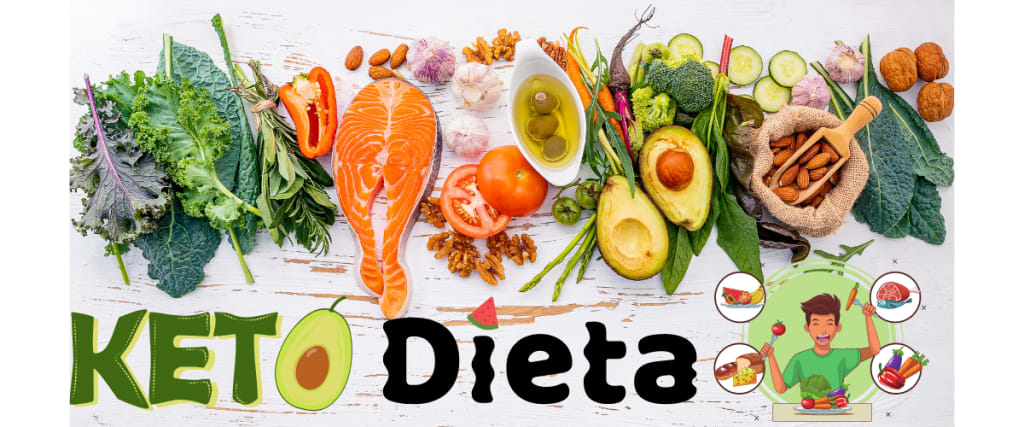
In recent years, the ketogenic diet has gained significant popularity as a high-fat, low-carbohydrate dietary approach. This trending diet has captured the attention of health enthusiasts and individuals seeking effective weight loss methods. But what exactly is the ketogenic diet, and what are its benefits and drawbacks? In this comprehensive article, we delve deep into the world of the ketogenic diet to provide you with an in-depth analysis.
Understanding the Ketogenic Diet
The ketogenic diet, often referred to as the keto diet, is a low-carb, high-fat diet that involves drastically reducing carbohydrate intake while increasing fat consumption. By doing so, the body enters a metabolic state called ketosis, where it primarily burns fat for fuel instead of glucose derived from carbohydrates. This shift in fuel source has several potential benefits, but it also comes with certain challenges.
The Benefits of the Ketogenic Diet
Weight Loss: One of the primary reasons individuals turn to the ketogenic diet is its potential for weight loss. By significantly reducing carbohydrate intake, the body is forced to burn stored fat for energy. Additionally, the diet helps control hunger hormones, leading to reduced calorie intake and increased feelings of fullness.
Improved Blood Sugar Control: The ketogenic diet has shown promising results in managing blood sugar levels, especially for individuals with type 2 diabetes or insulin resistance. By minimizing carbohydrate intake, blood sugar spikes can be minimized, promoting better glucose control.
Increased Energy Levels: When the body is in ketosis, it becomes efficient at utilizing fat for energy, resulting in more consistent energy levels throughout the day. Many individuals report improved focus, mental clarity, and sustained energy on the ketogenic diet.
Potential Cardiovascular Benefits: Although more research is needed, some studies suggest that the ketogenic diet may have positive effects on cardiovascular health markers, such as reducing triglyceride levels, increasing HDL (good) cholesterol, and improving blood pressure.
Enhanced Brain Function: The brain can thrive on ketones, which are produced during ketosis. Some research indicates that the ketogenic diet may have neuroprotective properties and could potentially benefit individuals with certain neurological conditions, such as epilepsy and Alzheimer's disease.
The Drawbacks of the Ketogenic Diet
Initial Side Effects: When transitioning to the ketogenic diet, individuals often experience a range of temporary side effects known as the "keto flu." These can include fatigue, dizziness, irritability, and digestive issues. However, these symptoms usually subside as the body adapts to using fat for energy.
Restrictive Nature: The ketogenic diet is highly restrictive in terms of food choices, as it requires avoiding high-carbohydrate foods like grains, legumes, fruits, and certain vegetables. This restriction can make it challenging for some individuals to adhere to the diet in the long term.
Nutrient Deficiencies: Due to the limited variety of foods allowed on the ketogenic diet, it can be challenging to obtain an adequate intake of certain essential nutrients, such as fiber, vitamins, and minerals. Proper supplementation and careful meal planning are crucial to mitigate this potential drawback.
Social Implications: Following a strict ketogenic diet can be socially challenging, as many social gatherings and events revolve around carbohydrate-rich foods. It may require careful planning and communication to navigate these situations while staying true to the dietary principles.
Long-Term Sustainability: While the ketogenic diet can yield remarkable short-term results, some individuals may find it difficult to maintain over an extended period. Adopting a balanced, sustainable approach to nutrition that suits individual preferences and lifestyle may be a better long-term solution for many.
In conclusion, the ketogenic diet offers numerous potential benefits, including weight loss, improved blood sugar control, increased energy levels, and potential cardiovascular and cognitive advantages. However, it is important to consider the potential drawbacks, such as initial side effects, dietary restrictions, nutrient deficiencies, social implications, and long-term sustainability.
As with any dietary approach, it is recommended to consult with a healthcare professional or a registered dietitian before embarking on the ketogenic diet, especially if you have any pre-existing medical conditions or concerns. They can provide personalized guidance and ensure that the diet aligns with your individual needs and goals.
About the Creator
Keep reading
More stories from Augustine Ogbomo and writers in Longevity and other communities.
The Wonders Of The Universe As Relate To Humanity
The universe is a vast and mysterious place filled with countless wonders that continue to amaze and inspire us. From the beauty of distant galaxies to the mysteries of black holes, there is always something new to discover and explore. The vast expanse of the cosmos lies a universe full of wonders waiting to be explored. Let's start engaging in some of these interesting facts about the universe.
By Augustine Ogbomo3 years ago in Earth
Day 4 of Quitting
If this is how sobriety feels, maybe it’s better to go through life a little buzzed… this, along with other hits like, I want to kill myself, I wish I was dead, and I’m going to throw myself off a bridge have been the only thoughts on rotation these past few days. I promise myself that if, in a month, I still feel like this (‘this’ meaning despondent, full of rage, and simultaneously numb) I can go back to smoking. Until mid-February though? Nicotine is off the table.
By sleepy drafts20 days ago in Longevity
When Kindness Turned into a Burden
Some people are so cruel that they snatch trust, confidence, love, and sincerity from others. I have been very sensitive since childhood. My heart has always been extremely soft. Whenever I see someone sad, I become sad myself—whether it is a real person or even a scene from a film or TV drama. Sometimes I become so emotional that I start sobbing uncontrollably. Because of this weakness, I have suffered many losses in life.
By Sudais Zakwanabout 11 hours ago in Longevity



Comments
There are no comments for this story
Be the first to respond and start the conversation.