
The Advantages & Disadvantages of a Memory Foam Mattress
The Memory Foam Mattress gently contours to your body, providing pressure-relieving comfort and motion isolation for deeper, undisturbed sleep.
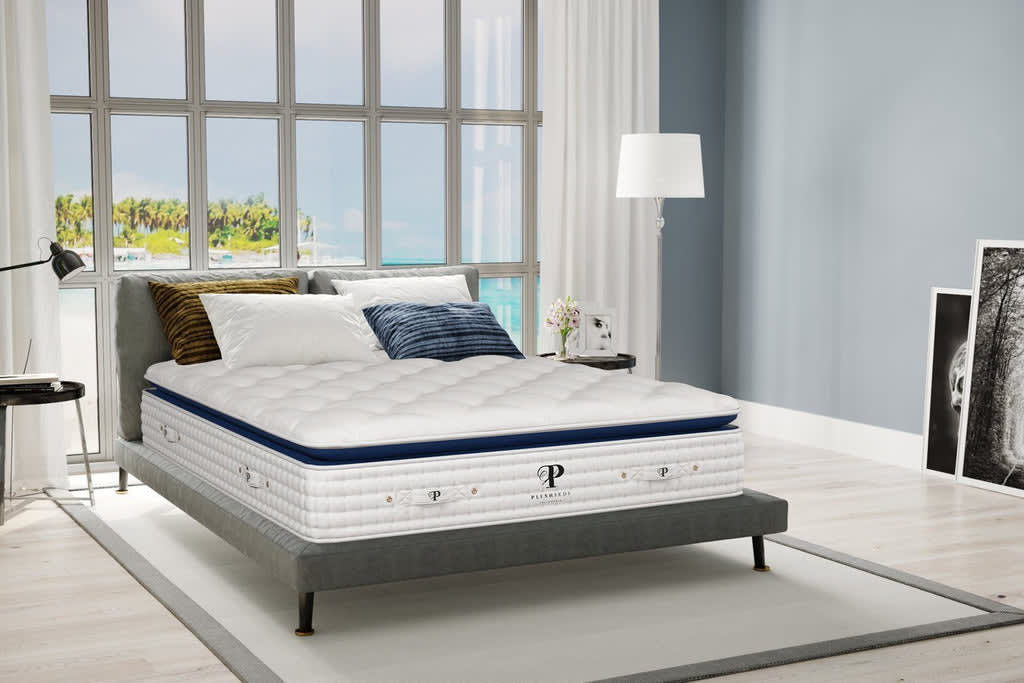
Good sleep helps you feel your best at school, at work, and at home. The bed you sleep on matters a lot. One very popular choice is the memory foam mattress. People like it because it feels soft around your curves and helps take pressure off your body.
In this simple guide, you’ll learn what a memory foam mattress is, why many people love it, what problems it can have, and how to choose the right one for you. By the end, you will know if a memory foam mattress fits your sleep style and budget.
What Is a Memory Foam Mattress?
A memory foam mattress is made from a special foam called viscoelastic foam. This foam reacts to body heat and pressure. When you lie down, the memory foam mattress slowly molds to your shape and when you get up, it slowly goes back to the way it was. This is why people say memory foam “hugs” your body.
How Memory Foam Works
- Softens with heat: Warmer parts of your body sink in a little more.
- Spreads your weight: It shares your weight across the surface to reduce pressure.
- Slow bounce back: It takes a moment to return to shape, which helps stop motion from spreading.
- Layers: Most beds use a top comfort layer, a middle transition layer, and a strong support base.
Advantages of a Memory Foam Mattress
1) Very Comfortable Support
Memory foam fills the small gaps around your lower back, waist, and neck. This helps keep your spine straight. Many people wake up with fewer aches and less stiffness.
2) Great Pressure Relief
Side sleepers and people with sore joints like the way a memory foam mattress reduces pressure on the shoulders, hips, and knees. Spreading your weight can help you sleep longer and deeper.
3) Excellent Motion Isolation
Do you share a bed? Memory foam absorbs movement very well. If your partner turns over, you are less likely to feel it. This is helpful for light sleepers.
4) Friendlier for Allergies
Memory foam is dense. Dust mites and many allergens have a harder time getting into it. With a washable cover and a protector, your bed can feel cleaner and fresher.
5) Can Last a Long Time
A good memory foam mattress can last about 8–10 years with care. Better foams resist sagging and keep their shape longer.
6) Many Firmness Choices
You can find soft, medium, and firm options. That means it’s easier to get a memory foam mattress that fits your body and sleep position.
Disadvantages of a Memory Foam Mattress
1) New Bed Smell (Off‑Gassing)
When you open the box, you may notice a smell. This is common with foam beds. It usually fades in a few hours to a few days. Air the bed in a well‑ventilated room at first.
2) Can Sleep Warm
Traditional memory foam can trap heat. If you sleep hot, look for cooling features like gel‑infused foam, air channels, or a breathable cover made from Tencel® or bamboo.
3) Slow, “Hugging” Feel
Some people love the slow hug. Others feel a little “stuck.” If you want easier movement and more bounce, try a hybrid memory foam mattress (foam on top of coils).
4) Heavier to Move
Foam beds can be heavy. You may need two people to rotate or move the mattress. Handles on the side can help.
5) Often Costs More Than Basic Spring Beds
Quality memory foam can be pricier than simple spring beds. Many people still choose it because of the comfort, pressure relief, and durability.
6) Not Much Bounce
A memory foam mattress has less bounce than spring or latex beds. This is good for motion control but not great if you want a lively feel.
How Long Does a Memory Foam Mattress Last?
Most good models last 8–10 years. How long it lasts depends on foam quality, your body weight, and care. It may be time for a new bed if:
- You see deep body impressions that don’t go away
- You wake up sore or stiff
- You sleep better on another bed or the couch
Conclusion
A memory foam mattress offers a uniquely plush, pressure‑relieving sleep experience with standout motion isolation and a wide range of firmness options. While you should account for potential downsides like heat retention, heavier weight, and a slower, “hugging” feel, modern designs add cooling features, washable covers, and supportive cores that address most concerns.
If you value deep contouring comfort, reduced partner disturbance, and consistent spinal support, a memory foam mattress is likely a smart investment. Use the buying checklist above to match firmness, cooling, and durability to your needs, and take advantage of at‑home trials to find your perfect fit.
About the Creator
Keep reading
More stories from Charlie Katherine and writers in Longevity and other communities.
Why Are Edge Servers a Cornerstone of Modern IT Architectures?
Edge-based servers have emerged as a cornerstone of modern IT architectures, reshaping how businesses handle data and deliver services. These specialized servers are strategically positioned at the edge of networks, closer to end-users and devices, and have become pivotal in enhancing digital experiences and optimizing network performance.
By Charlie Katherine2 years ago in Education
The Energy Budget
Already worn out upon waking. Though the hours ahead hold no unusual hurdles - just everyday duties, expected chores, ordinary pressures - they somehow seem too much. Tasks that were managed many times before now appear heavy. Even thinking about starting drains energy. Come noon, reserves are gone. Fatigue sets in by nightfall. Lying down, one might question why being alive feels so draining.
By Dr Marc Nockabout 12 hours ago in Longevity
Calling vs Income
There is a tension that never quite goes away once it has been seen clearly, and it sits at the intersection of calling and survival. Some forms of work feel unquestionably meaningful, even necessary, yet remain economically fragile or entirely unsupported. Other forms of work provide stability, predictability, and income, while feeling hollow or misaligned with who a person actually is. Once this divide becomes visible, it is difficult to unsee, and even harder to navigate honestly without resentment creeping in.
By Peter Thwing - Host of the FST Podcast8 days ago in Longevity



Comments
There are no comments for this story
Be the first to respond and start the conversation.