
Sustainable Mobility in Action: Lessons from Masdar City’s Green Transport Revolution
Discover how Masdar City is redefining sustainable urban mobility through pedestrian-first planning, autonomous electric transport, smart mobility technologies, and clean energy solutions. A global model for future cities, Masdar City offers valuable lessons in building efficient, low-emission transport networks.
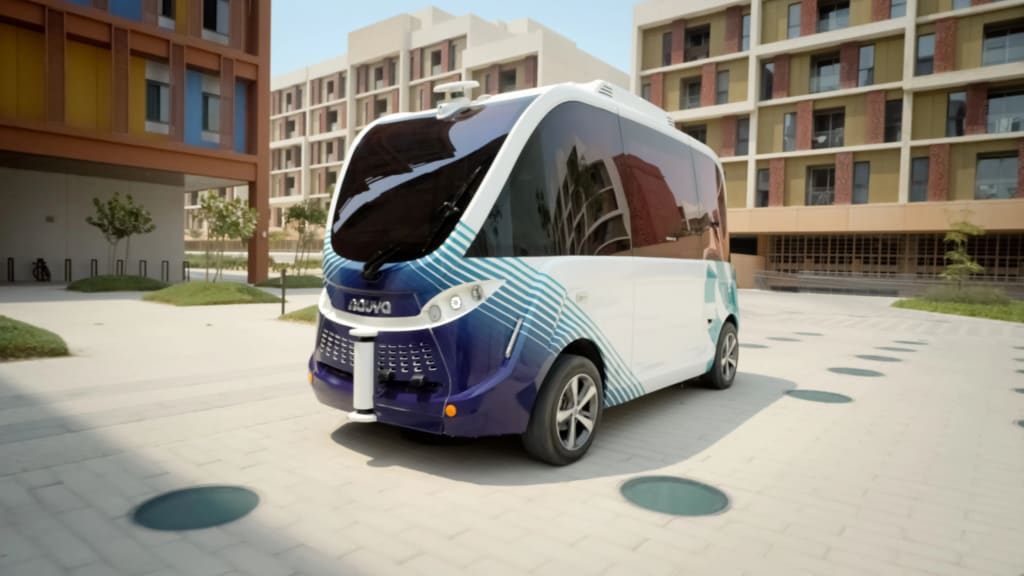
Urban centers worldwide are striving for cleaner and more efficient transportation systems as they face challenges like congestion, pollution, and carbon emissions. A leader in this transformation is Masdar City, UAE—an urban innovation hub that integrates cutting-edge sustainable urban mobility solutions to create a low-emission, efficient transport network.
This article explores the innovative mobility strategies in Masdar City and the valuable lessons they offer for the future of sustainable transportation.
Masdar City: A Model for Future Mobility
Masdar City was designed with a vision of creating a low-carbon, smart city where transportation is efficient, clean, and accessible. By focusing on pedestrian-friendly infrastructure, electric transportation, and autonomous mobility, the city has developed a model that many urban centers can adopt to reduce their environmental impact.
1. A Pedestrian-First Approach to Urban Mobility
Unlike many modern cities that rely heavily on cars, Masdar City is designed to prioritize pedestrians. The city layout encourages walking and cycling by offering shaded walkways, interconnected streets, and easy accessibility to essential services.
This approach significantly reduces traffic congestion, air pollution, and dependency on private vehicles, creating a more livable urban space.
Key Takeaway:
Cities worldwide can benefit from a pedestrian-friendly approach by designing walkable, compact urban areas that reduce traffic congestion while improving public health.
2. Autonomous Electric Mobility: The Personal Rapid Transit (PRT) System
Masdar City introduced one of the world’s first autonomous electric vehicle systems known as the Personal Rapid Transit (PRT). These driverless electric pods provide on-demand, emission-free transportation, offering an alternative to traditional cars.
By integrating this system, Masdar City showcases how self-driving electric mobility can efficiently serve urban centers while minimizing traffic congestion and pollution.
Key Takeaway:
The success of autonomous electric transport in Masdar City highlights how future cities can implement smart, driverless mobility solutions for cleaner urban transportation.
3. Electrification of Transport: A Clean Energy Fleet
Masdar City is advancing low-emission transportation by supporting the transition to electric vehicles (EVs) and hydrogen-powered cars. The city provides EV charging stations across its urban landscape, encouraging the adoption of clean mobility solutions.
Additionally, Masdar City is exploring hydrogen-powered vehicles, demonstrating how diverse, clean transportation technologies can work together to create an efficient and environmentally friendly system.
Key Takeaway:
Urban centers can reduce their environmental footprint by investing in clean transportation infrastructure, making EV adoption easier and integrating alternative energy-powered vehicles.
4. Smart Mobility: AI and Data-Driven Transport Solutions
Masdar City leverages smart mobility technologies such as artificial intelligence (AI), IoT (Internet of Things), and real-time data analytics to optimize transport efficiency.
AI-driven traffic management enhances flow and reduces congestion.
IoT-powered smart parking solutions help drivers find parking spots quickly.
Real-time monitoring of public transport ensures seamless mobility.
By integrating digital innovations with urban transport planning, Masdar City improves the efficiency of its mobility ecosystem.
Key Takeaway:
AI-powered mobility solutions offer cities an effective way to manage congestion, improve public transport efficiency, and enhance the commuting experience.
5. Efficient Public Transportation Systems
Masdar City aims to create an integrated low-emission public transit system that minimizes reliance on private cars. By offering:
Autonomous electric shuttle buses,
Electric taxis, and
Well-planned public transit connections,
The city reduces overall traffic congestion and improves accessibility while maintaining a low-emission transport network.
Key Takeaway:
Developing an efficient, clean public transport network is crucial for cities aiming to cut emissions and enhance urban mobility.
Global Lessons from Masdar City’s Mobility Strategy
Masdar City’s transportation model offers valuable lessons for urban planners and policymakers looking to implement sustainable urban mobility solutions:
✔ Reducing Private Vehicle Dependency – Walkable city designs and electric public transport decrease traffic congestion and pollution.
✔ Adopting AI-Powered Transport – Smart mobility solutions enhance public transit efficiency and minimize travel delays.
✔ Supporting Electric and Hydrogen Transport – Cities can lower emissions by investing in clean vehicle infrastructure.
✔ Prioritizing Autonomous Mobility – Driverless transport can make cities smarter, safer, and more efficient.
Final Thoughts: A Roadmap for Sustainable Mobility
Masdar City is a living example of how urban mobility can be reimagined to meet the demands of the future. By embracing pedestrian-first designs, smart mobility solutions, and clean transport technologies, the city sets a global benchmark for sustainable transportation.
As urban populations grow and environmental concerns intensify, the lessons from Masdar City provide a clear blueprint for future cities—one where mobility is cleaner, smarter, and more efficient.
About the Creator
Keep reading
More stories from Jibril Bahij Arian and writers in Longevity and other communities.
Bridging Science and Innovation: The Power of Advanced R&D in Masdar City’s Tech Ecosystem
Introduction In the rapidly evolving world of technology and healthcare, advanced research and development (R&D) is driving groundbreaking discoveries. Masdar City, a global innovation hub, is leading the way by fostering a forward-thinking ecosystem where science meets cutting-edge advancements. With a strong emphasis on research excellence, technological progress, and transformative solutions, Masdar City is shaping the future of medical sciences, diagnostics, and advanced healthcare applications.
By Jibril Bahij Arian9 months ago in Longevity
Day 4 of Quitting
If this is how sobriety feels, maybe it’s better to go through life a little buzzed… this, along with other hits like, I want to kill myself, I wish I was dead, and I’m going to throw myself off a bridge have been the only thoughts on rotation these past few days. I promise myself that if, in a month, I still feel like this (‘this’ meaning despondent, full of rage, and simultaneously numb) I can go back to smoking. Until mid-February though? Nicotine is off the table.
By sleepy drafts15 days ago in Longevity
Rachel Reviews: The Spiral Archive by Pieter Hendrik
It's difficult for me to know where to start with a review of this book as it was, for me, an entirely unique experience and one that I'll probably never have again. I don't want that to be interpreted as unenjoyable but it has left me scratching my head a little and ruminating on its content, its themes and its characters.
By Rachel Deeming5 days ago in BookClub




Comments
There are no comments for this story
Be the first to respond and start the conversation.