
Steering Clear of Carcinogenic Benzene Deodorants – 4 Tips for Menopausal Women
Symptoms of certain cancers linked to benzene exposure closely mimic symptoms commonly associated with menopause.

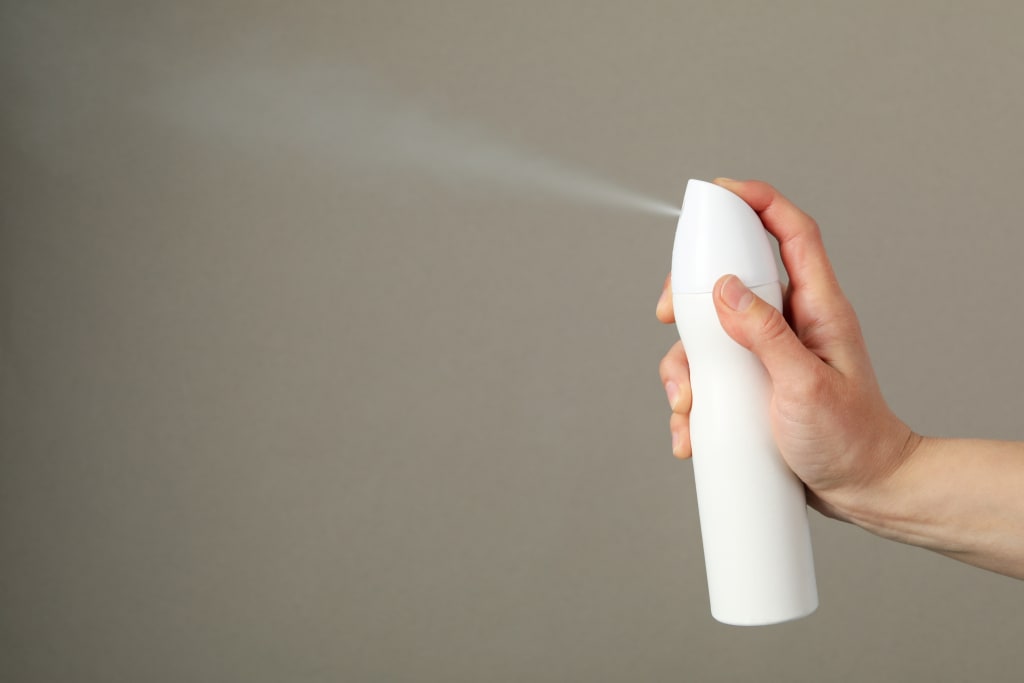
For women going through midlife, menopause is a period of biological changes often accompanied by discomforting symptoms like hot flashes and night sweats brought on by shifting hormone levels. Although it's a normal part of advancing through life, such changes can inadvertently cause related issues like a stronger body odor.
While the obvious choice to combat such issues would be deodorants and antiperspirants, an independent study found carcinogenic benzene in more than half of the products it tested. Most concerning, the symptoms of certain cancers linked to benzene exposure closely mimic symptoms commonly associated with menopause.
Benzene Contamination and Cancer Risks
In November 2021, the independent pharmacy Valisure published the results of its research that found varying amounts of benzene in 59 of the 108 batches of deodorant and antiperspirant products it analyzed. While benzene isn't an ingredient that manufacturers use, and petrol-based propellants in aerosol sprays are likely the source of contamination, its presence in personal care products represents a severe health hazard.
Benzene is listed as a "class 1 carcinogen" by the FDA, and exposure to the substance has been clinically linked to severe forms of blood cancer like acute myeloid leukemia (AML). For reference, the FDA tolerates small amounts of benzene in a limited range of drugs at only 2 parts per million (ppm), while the maximum safety level for those working with the substance ranges from 0.1 to 1 ppm – most of the benzene-contaminated products tested by Valisure exceeded these limits.
In particular, benzene's link to AML is especially problematic for middle-aged women that use contaminated products. AML is a type of blood and bone cancer that is far more prevalent amongst individuals over 40, and menopausal symptoms such as fatigue, hot flashes, and night sweats are also commonly reported symptoms of AML. While symptom misinterpretation can mask a cancer diagnosis (at worse), profuse sweating during menopause can lead to more pungent BO, making it more likely that women opt for deodorants or antiperspirants whose contents may include dangerous contaminants.
Safer Alternatives to Chemical Deodorants
As regular-use personal care products, many individuals depend on deodorants to stay fresh throughout the day, with people that perspire more abundantly applying them multiple times. Although benzene's presence is a health risk, it's not the only problematic substance found in deodorants; other more common ingredients linked to adverse effects include aluminum, parabens, fragrances, phthalates, and propylene glycol.
Given the plethora of chemical dangers readily available on US shelves and only one spritz away, it's not surprising that the demand for non-toxic alternatives has been increasing. Fortunately, a few common-sense approaches can help prudent consumers choose safer options.
1. Inspect Labels
Fundamentally, reading labels is the most basic prevention measure that should apply when selecting any product, not just deodorants. Still, some manufacturers could list ingredients using alternative designations that make them harder to recognize and may not clearly indicate substance percentages. Moreover, unintentional contaminants like benzene wouldn't be listed.
2. DIY Options
Though unconventional for our times, commonly-available ingredients like baking soda and corn starch can prove effective homemade solutions against bad BO and perspiration. Baking soda's antibacterial properties make it a practical solution, but its higher alkalinity could be problematic for more sensitive skin. On the other hand, corn starch is friendlier with delicate skin, and its vitamin contents (A, B1, B2) help keep the armpits dry and stave off unpleasant odors.
3. Alum/Potassium Stone
Alum stone (also known as potassium alum) is a type of mineral salt known since ancient times thanks to its antibacterial and antiseptic qualities. While conventional deodorants use artificial scents and fragrances to mask bad smells, alum stone's salt contents prevent odor-producing bacteria from thriving.
4. All-Natural Products
Ethical manufacturers who are aware of the risks that chemical-based deodorants represent provide a broad range of all-natural substitutes that use safe ingredients like coconut oil, Shea butter, arrowroot powder, beeswax, activated charcoal, fruit and herb extracts, and essential oils. Interested individuals can request non-toxic alternatives via the Benzene Deodorant Replacement Initiative, a program seeks to replace benzene-contaminated deodorants with products that are free of carcinogens or other harmful substances.
About the Creator
Jonathan Sharp
As the CFO of Environemental Litigation Group P.C., Jonathan Sharp is involved in toxic exposure cases and describes his occupation as a "sophisticated, non-traditional, rewarding one, sometimes challenging."
Keep reading
More stories from Jonathan Sharp and writers in Longevity and other communities.
Recognizing and Supporting the Forgotten Victims of 9/11
Recognizing and Supporting the Forgotten Victims of 9/11: The Urgency of the 9/11 Notice Act As the devastating events of September 11, 2001, still remind us of what happened, a new battle started for the people who were unwittingly exposed to toxic substances such as lead, mercury, and even asbestos in the aftermath of the terrorist attack. While the government has been righteously focusing on the heroic first responders who rushed to combat the danger, there's still a cohort of silent other victims of the attack who also bear the scars of that tragic day. However, the recently passed 9/11 Notice Act tries to shed light on their plight and ensure they receive the recognition they deserve.
By Jonathan Sharpabout a year ago in Writers
Day 4 of Quitting
If this is how sobriety feels, maybe it’s better to go through life a little buzzed… this, along with other hits like, I want to kill myself, I wish I was dead, and I’m going to throw myself off a bridge have been the only thoughts on rotation these past few days. I promise myself that if, in a month, I still feel like this (‘this’ meaning despondent, full of rage, and simultaneously numb) I can go back to smoking. Until mid-February though? Nicotine is off the table.
By sleepy drafts13 days ago in Longevity
How Breathing Became Easier Without Me Noticing When
I cannot point to the exact moment it happened. There was no sudden breath of freshness. No noticeable shift in temperature. No sound of ventilation kicking on. If you had asked me that day whether anything had changed in the room, I would have said no.
By illumipure5 days ago in Longevity



Comments
There are no comments for this story
Be the first to respond and start the conversation.