
Social Media Giants Announce Major Policy Changes
New rules focus on privacy, content moderation, and digital well-being worldwide.

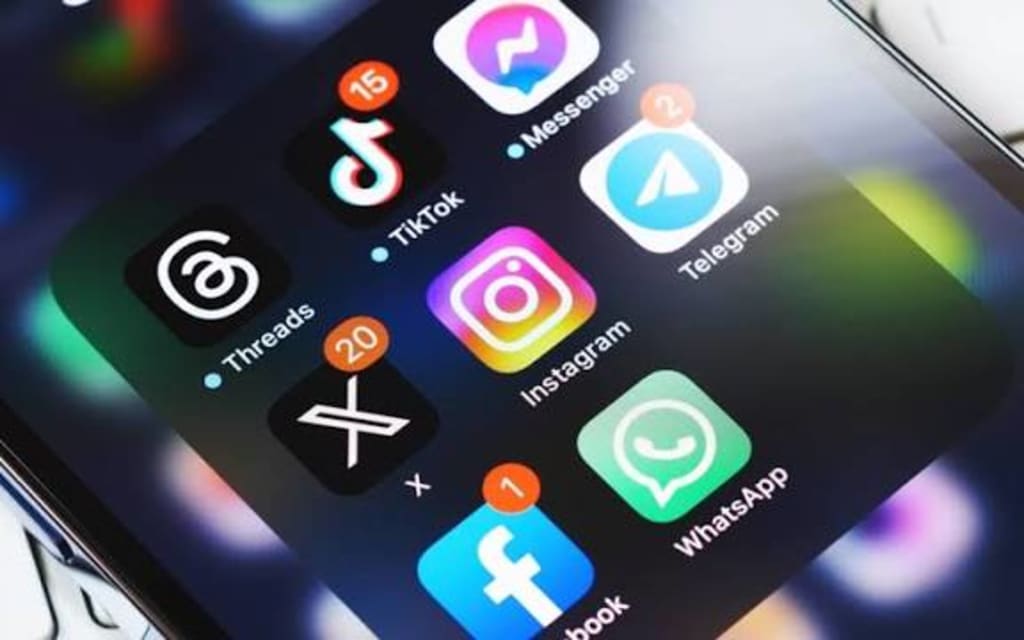
In 2026, leading social media companies shocked users and governments alike by announcing sweeping policy changes aimed at reshaping how online platforms operate. These reforms focus on user privacy, content moderation, artificial intelligence, and digital well-being. Companies such as Meta, X (formerly Twitter), Google-owned YouTube, and TikTok revealed new guidelines designed to respond to growing public criticism over misinformation, data misuse, and the mental health impact of social media.
The policy changes come after years of pressure from regulators and civil society groups demanding greater accountability from tech corporations. Governments around the world have introduced stricter digital laws, forcing platforms to rethink how they manage user data and online content. The new policies mark one of the most significant shifts in the history of social media.
One of the most important changes involves stronger content moderation rules. Social media giants announced they will use advanced artificial intelligence systems to detect harmful content such as hate speech, violent material, and misinformation more quickly. These systems will work alongside human review teams to ensure accuracy and fairness. Companies stated that their goal is to reduce the spread of false information without limiting freedom of expression. Critics, however, worry that automated moderation could still make mistakes and unfairly silence certain voices.
Another major reform focuses on user privacy and data protection. Platforms have promised to give users more control over their personal information. New tools allow individuals to see exactly how their data is collected, stored, and used for advertising. Some companies have even announced plans to reduce targeted advertising for minors and limit tracking across different apps and websites. This shift reflects growing awareness about digital surveillance and the need for ethical data practices.
Social media companies also introduced new policies to address mental health and digital addiction. Features such as automatic screen-time reminders, content filtering, and healthier algorithm designs aim to reduce overexposure to harmful material. Teen users will now see fewer posts related to extreme beauty standards or risky behavior. Experts believe these changes could improve emotional well-being and reduce anxiety and depression linked to excessive social media use.
Another significant update is related to political and election-related content. Platforms have announced stricter rules for political advertising and clearer labeling of sponsored posts. Fact-checking partnerships with independent organizations will be expanded to reduce the spread of fake news during elections. This move follows criticism that social media companies failed to protect democratic processes in the past.
Artificial intelligence plays a central role in the new policy framework. Social media giants will now label AI-generated images, videos, and text to prevent deception. Deepfake detection tools are being introduced to identify manipulated media that could be used for scams or propaganda. This is especially important as AI-generated content becomes more realistic and widespread.
The business impact of these policy changes is also significant. Advertising strategies may shift as companies reduce data collection and focus on transparent marketing. Smaller businesses may benefit from clearer rules, while influencers and content creators will need to adapt to stricter guidelines. Some creators fear that increased moderation could affect their reach, while others welcome a safer and more respectful online environment.
Public reaction has been mixed. Many users support stronger protections against harmful content and data misuse. Parents and educators especially praise the focus on youth safety. However, some activists argue that the changes do not go far enough and demand full transparency in how algorithms work. Free speech advocates worry about censorship, while privacy supporters insist that these reforms are long overdue.
Technology experts say these policy shifts represent a turning point in the digital era. Social media platforms are no longer just entertainment tools; they are global communication systems with political, cultural, and economic power. With billions of users worldwide, their decisions shape public opinion and social behavior.
Despite the positive intentions, challenges remain. Enforcing policies consistently across different countries with different laws and cultures is difficult. Balancing user rights with safety will continue to be a complex task. Companies must also invest heavily in technology and staff to make these reforms effective.
In conclusion, the announcement of major policy changes by social media giants marks a new chapter in the evolution of the internet. By focusing on privacy, mental health, misinformation, and ethical AI, these platforms are attempting to rebuild public trust and create safer digital spaces. Whether these reforms succeed will depend on transparency, enforcement, and continued dialogue with users and governments. One thing is certain: social media in 2026 will not look the same as it did in the past, and these policy changes will shape the future of online communication for years to come.
About the Creator
Fiaz Ahmed
I am Fiaz Ahmed. I am a passionate writer. I love covering trending topics and breaking news. With a sharp eye for what’s happening around the world, and crafts timely and engaging stories that keep readers informed and updated.
Keep reading
More stories from Fiaz Ahmed and writers in Longevity and other communities.
New Smartphone Technology Shocks the World
In 2026, the global technology industry was stunned by the release of revolutionary smartphone technology that redefined what a mobile device can do. What was once seen simply as a communication tool has now evolved into a powerful, intelligent companion capable of performing tasks that were unimaginable just a few years ago. From holographic displays to advanced artificial intelligence and ultra-fast charging systems, the latest smartphone innovations have shocked consumers, industry experts, and competitors alike. One of the most groundbreaking features of this new smartphone technology is the introduction of holographic and foldable display systems. Unlike traditional flat screens, these devices project three-dimensional visuals that appear to float above the screen. Users can interact with images, videos, and applications through hand gestures without touching the display. This advancement has transformed gaming, video conferencing, and education by making digital experiences more immersive and lifelike. Foldable screens have also reached new levels of durability, allowing phones to expand into tablet-sized devices while remaining thin and lightweight. Artificial intelligence has become the true brain of modern smartphones. The new generation of devices comes equipped with AI-powered personal assistants that understand emotions, predict user needs, and learn behavior patterns over time. These assistants can schedule appointments, manage finances, recommend health routines, and even hold meaningful conversations. Unlike earlier voice assistants, today’s AI systems respond naturally and adapt to individual lifestyles, making smartphones feel more human than ever before. Battery technology has also undergone a dramatic transformation. New smartphones now use solid-state batteries that charge in just minutes and last several days on a single charge. This innovation has solved one of the biggest problems users have faced for years—short battery life. In addition, wireless charging has become more powerful and efficient, allowing devices to recharge simply by being placed on any compatible surface. Some models even support solar-assisted charging, using sunlight to extend battery performance. Another shocking advancement is in camera and imaging technology. Smartphone cameras now rival professional photography equipment. With ultra-high resolution lenses, night-vision capabilities, and AI-enhanced editing, users can capture cinematic-quality photos and videos. Real-time translation and object recognition features allow the camera to identify landmarks, read foreign languages, and provide instant information. These tools have turned smartphones into portable research devices and creative studios. Security and privacy have reached a new level with the introduction of biometric and neural authentication systems. Instead of relying solely on fingerprints or facial recognition, smartphones can now verify users through heart rhythms, voice patterns, and even brainwave responses. This technology makes hacking nearly impossible and ensures that personal data remains protected. Governments and cybersecurity experts have praised these developments as a major step toward safer digital environments. Connectivity has also shocked the world with the full expansion of 6G network compatibility. These smartphones offer lightning-fast data speeds, allowing users to download large files in seconds and stream ultra-high-definition content without interruption. Real-time cloud computing enables phones to perform complex tasks such as video rendering and data analysis without overheating or slowing down. This has transformed smartphones into portable supercomputers. Health and wellness integration is another area where smartphone technology has surprised users. Built-in sensors can now monitor heart health, blood pressure, stress levels, and sleep quality continuously. Some devices can even detect early signs of illness and recommend medical checkups. These features have made smartphones essential tools for preventive healthcare and personal well-being. The impact of this new smartphone technology extends beyond individual users. Industries such as education, business, and entertainment are being reshaped. Virtual classrooms powered by holographic screens allow students to interact with teachers in real-time. Businesses use AI-driven phones for remote management and customer service. Artists and filmmakers create professional content using only smartphones, reducing the need for expensive equipment. Despite the excitement, experts also warn about challenges. The rapid pace of innovation raises concerns about digital addiction, data privacy, and economic inequality. Not everyone can afford these advanced devices, creating a gap between technology users. Governments and companies must work together to ensure responsible use and fair access. In conclusion, new smartphone technology has truly shocked the world by pushing the boundaries of innovation. With holographic displays, AI intelligence, powerful batteries, advanced security, and health monitoring, smartphones are no longer just communication tools—they are becoming essential life companions. As technology continues to evolve, these devices will shape how people work, learn, and connect with the world. The future of smartphones is not just smart—it is extraordinary.
By Fiaz Ahmed about 14 hours ago in Longevity
Day 4 of Quitting
If this is how sobriety feels, maybe it’s better to go through life a little buzzed… this, along with other hits like, I want to kill myself, I wish I was dead, and I’m going to throw myself off a bridge have been the only thoughts on rotation these past few days. I promise myself that if, in a month, I still feel like this (‘this’ meaning despondent, full of rage, and simultaneously numb) I can go back to smoking. Until mid-February though? Nicotine is off the table.
By sleepy drafts24 days ago in Longevity
India and the EU Announce a Landmark Trade Deal
India and the European Union have announced a landmark trade deal that could reshape economic ties between two of the world’s most influential markets. The agreement, long in the making, signals a renewed commitment to cooperation at a time when global trade is being tested by geopolitical tensions, supply chain disruptions, and shifting economic priorities. Rather than focusing on short-term gains, this deal reflects a broader strategic vision. Both sides are looking to strengthen resilience, diversify partnerships, and reduce overdependence on any single market. For India, the agreement marks another step in its effort to position itself as a global manufacturing and services hub. For the EU, it offers access to one of the world’s fastest-growing large economies. A Deal Years in the Making Trade discussions between India and the EU have spanned many years, often slowing due to differences over tariffs, market access, labor standards, and environmental regulations. The latest announcement represents a breakthrough, suggesting that both sides were willing to compromise to reach common ground. While the full legal text is expected to be finalized over time, the announcement outlines a shared framework aimed at reducing trade barriers, encouraging investment, and deepening cooperation across key sectors. Officials from both sides have described the deal as forward-looking, emphasizing sustainability, innovation, and inclusive growth. This approach reflects a shift from traditional trade agreements that focused narrowly on tariffs. Instead, the India-EU deal seeks to align economic growth with long-term social and environmental goals. Economic Opportunities for India For India, the agreement opens the door to expanded access to European markets for a wide range of goods and services. Sectors such as textiles, pharmaceuticals, information technology, engineering goods, and agriculture are expected to benefit from smoother trade processes and improved regulatory cooperation. Indian service providers, particularly in technology and professional services, stand to gain from clearer rules and improved mobility frameworks. This could help Indian firms scale operations in Europe while strengthening India’s reputation as a global talent hub. The deal also supports India’s broader economic strategy of attracting foreign investment. European companies, many of which are seeking alternatives to traditional manufacturing centers, may see India as a more attractive destination for production and innovation. Benefits for the European Union From the EU’s perspective, the agreement offers access to a massive consumer market with a growing middle class. European exporters in sectors such as automobiles, renewable energy, luxury goods, and advanced manufacturing are likely to find new opportunities in India. The deal also strengthens the EU’s presence in the Indo-Pacific region, which has become increasingly important in global trade and geopolitics. By deepening ties with India, the EU diversifies its economic partnerships and reinforces its role as a key global trade actor. Additionally, European businesses may benefit from greater regulatory transparency and improved investment protections, making long-term planning in India more predictable. Sustainability and Standards at the Core One of the defining features of the India-EU trade deal is its emphasis on sustainability. Both sides have highlighted commitments related to environmental protection, climate action, and responsible business practices. The agreement is expected to encourage cooperation in clean energy, green technologies, and sustainable supply chains. This aligns with the EU’s broader climate goals and India’s increasing focus on renewable energy and environmental resilience. Labor standards and inclusive growth have also been emphasized. While implementation will take time, the inclusion of these elements reflects a growing recognition that trade agreements must address social concerns alongside economic interests. Strategic Implications Beyond Trade Beyond economics, the deal carries significant strategic weight. In a world where trade is increasingly influenced by politics, the India-EU partnership sends a message about the value of multilateral cooperation and open markets. Both India and the EU have expressed interest in reducing vulnerabilities exposed by recent global crises. Strengthening bilateral trade ties is one way to build more resilient supply chains and reduce exposure to economic shocks. The agreement also complements India’s expanding network of trade partnerships and the EU’s efforts to engage more deeply with emerging economies. Challenges Ahead Despite the optimism surrounding the announcement, challenges remain. Translating a political agreement into practical outcomes requires careful implementation, ongoing dialogue, and trust between stakeholders. Differences in regulatory systems, compliance requirements, and domestic priorities could still create friction. Small businesses, in particular, may need support to fully benefit from new opportunities created by the deal. However, the willingness shown by both sides to reach this point suggests a shared understanding of the long-term value of cooperation. A Step Toward a New Trade Era The India-EU landmark trade deal represents more than just an economic agreement. It reflects a shift in how major economies approach trade in an uncertain world. By focusing on sustainability, strategic partnership, and mutual growth, the deal sets a tone for future international agreements. As details continue to emerge and implementation begins, the true impact of the agreement will become clearer. What is certain, however, is that India and the European Union have signaled their intent to work together more closely, shaping a trade relationship that responds to both present challenges and future opportunities.
By Saboor Brohi 5 days ago in Longevity




Comments
There are no comments for this story
Be the first to respond and start the conversation.