Longevity logo

Self-sufficient gardening at home

Turn any plot, no matter the size, into productive space for your family.
By Optimizing lifePublished 3 years ago 3 min read
Tons of food can be grown with very little space

Sustainable gardening is a method of growing plants and food that prioritizes the health of the environment, as well as the health of the people who consume the produce. This approach to gardening takes into account the need for renewable resources, conservation of natural habitats, and reducing carbon footprints. In this article, we will explore sustainable gardening methods, including edible landscapes and self-sufficient practices, and how they can help create a healthier and more sustainable future for you and your family.

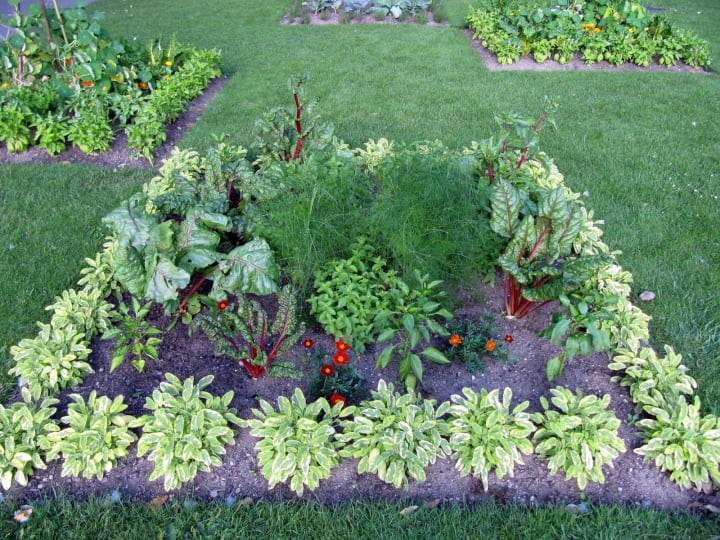
Edible landscapes are a sustainable gardening practice that focuses on creating beautiful, productive gardens that not only provide aesthetic value but also offer food for people and wildlife. Edible landscapes can be designed to include a range of plants, from fruit trees and berry bushes to herbs and vegetables. The key to creating a successful edible landscape is to choose plants that are adapted to the local climate and soil conditions and to incorporate companion planting techniques that help to promote healthy growth and reduce pests.

Edibe landscapes are a great middle ground between productive and curb appealing

In addition to providing food, edible landscapes can also provide important habitat for wildlife. Many native plants and herbs attract pollinators like bees and butterflies, which are essential for the health of our ecosystem. By planting a variety of plants in your edible landscape, you can help support biodiversity and create a healthier environment for all living creatures.

Self-sufficient gardening is another sustainable gardening practice that involves growing your own food and reducing reliance on external resources. Self-sufficient gardening involves techniques like composting, rainwater harvesting, and companion planting to create a closed-loop system that supports healthy growth without the need for synthetic fertilizers or pesticides.

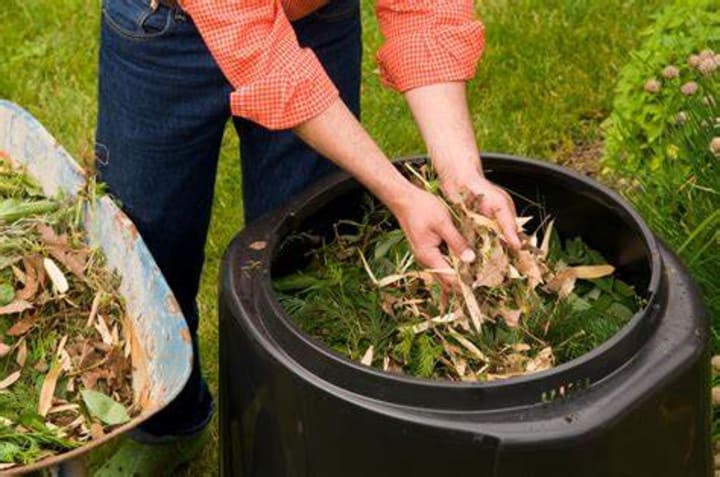
Composting is an important self-sufficient gardening practice that involves breaking down organic matter like food scraps, leaves, and grass clippings into nutrient-rich soil. Composting not only helps to reduce waste and landfill space, but it also creates a natural fertilizer that can be used to support healthy plant growth.

Not the most glamorous but no homestead is complete without a compost pile

Rainwater harvesting is another self-sufficient gardening technique that involves collecting and storing rainwater for later use. By using rainwater instead of tap water, you can reduce your reliance on municipal water supplies and help conserve this precious resource. Rainwater can be collected in barrels or cisterns and used to water plants during dry spells.

Companion planting is a self-sufficient gardening technique that involves planting different species of plants together in order to promote healthy growth and reduce pest problems. Companion plants can help to attract beneficial insects, deter pests, and provide important nutrients to the soil. For example, planting beans and peas together can help to fix nitrogen in the soil, which is an essential nutrient for healthy plant growth.

In addition to these sustainable gardening practices, there are a few other tips and techniques that can help to create a more sustainable garden. First, it's important to choose plants that are adapted to your local climate and soil conditions. By choosing plants that are well-suited to your area, you can help to reduce water and fertilizer needs and create a healthier garden environment.

Second, it's important to reduce your reliance on synthetic fertilizers and pesticides. Many of these chemicals can be harmful to the environment and to human health, and they can also disrupt the natural balance of the garden ecosystem. Instead, try using natural fertilizers like compost or animal manure, and consider using natural pest control methods like companion planting, crop rotation, and hand-picking pests.

Finally, consider incorporating sustainable gardening practices into your daily life. For example, you can start a compost bin, reduce your water usage by using a rain barrel, or plant a few herbs or vegetables in your backyard. By taking small steps towards sustainability in your garden, you can help create a healthier and more sustainable future for yourself and for future generations.

This is a very quick overview of how you can start your journey down the path to sustainable gardening but if you really want to get in depth knowledge I highly recommend picking up The Self-Sufficient Backyard for the Independent Homeowner by Ron and Johanne Melchiore. It's full of great information about how to really make your land work for you and covers literally everything, I have it linked here so please check it out.

organic

About the Creator

Optimizing life

I am a new writer who loves anything to do with improving my life, and yours, in a positive way whether it is through cooking, health, gardening, or expanding business ventures. I hope you'll join me on this adventure.

Reader insights

Be the first to share your insights about this piece.

How does it work?

Add your insights

Comments

There are no comments for this story

Be the first to respond and start the conversation.

Sign in to comment

    Find us on social media

    Miscellaneous links

    • Explore
    • Contact
    • Privacy Policy
    • Terms of Use
    • Support

    © 2026 Creatd, Inc. All Rights Reserved.