
Royal Navy Patrol Ships Rotate in Falklands Mission
Royal Navy Patrol Ships Rotate in the South Atlantic to Safeguard the Falklands

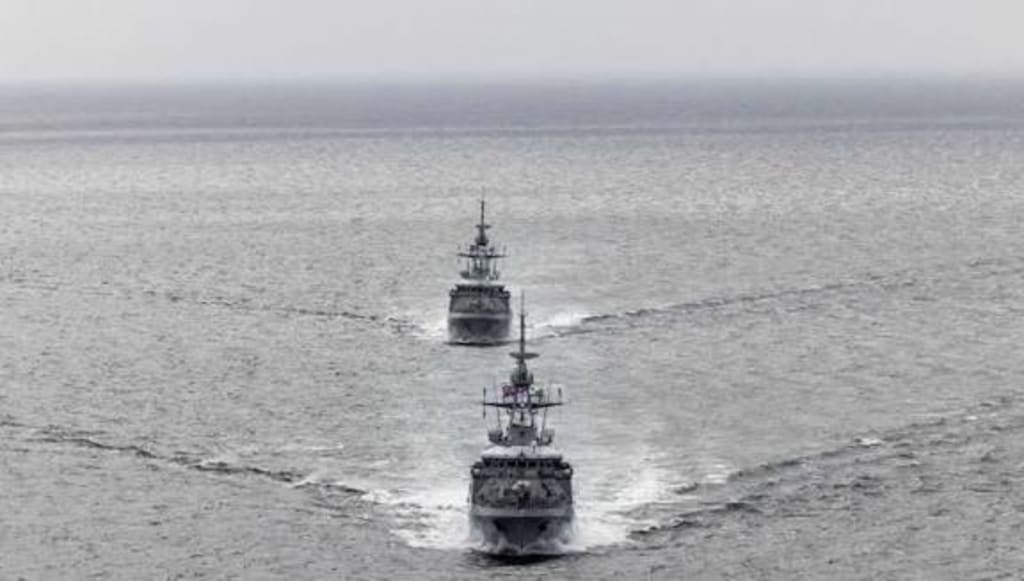
The Royal Navy has begun rotating its patrol ships in a mission near the Falkland Islands, signaling continued vigilance in one of the world’s most strategic maritime regions. This operation, part of the United Kingdom’s ongoing commitment to the South Atlantic, highlights both defense priorities and regional security challenges.
What Is Happening
The Royal Navy has announced that a series of patrol ships are rotating into the Falklands mission, ensuring a continuous naval presence. These vessels monitor maritime activity, protect territorial waters, and conduct routine defense exercises.
According to naval officials:
The rotation allows ships to remain in operational condition while crews rest and resupply.
The mission emphasizes sovereignty and security in the South Atlantic, an area historically marked by disputes and strategic importance.
Patrol ships conduct surveillance, search and rescue, and logistical support for the Falklands garrison.
This continuous rotation ensures that Royal Navy assets remain ready to respond to any incident or emergency.
Why the Falklands Are Strategically Important
The Falkland Islands are a British Overseas Territory located about 300 miles east of Argentina. While small in population, the islands are significant due to:
Geopolitical Position: The South Atlantic provides access to major shipping routes and monitoring of international waters.
Natural Resources: The surrounding waters are rich in fish stocks and potential oil and gas reserves.
Historical Significance: The 1982 Falklands War underscores the region’s contested status, particularly with Argentina, which continues to claim sovereignty.
Maintaining a naval presence is therefore both a practical security measure and a symbolic commitment to the islands’ protection.
What Patrol Ships Do
Royal Navy patrol ships on the Falklands mission carry out a variety of tasks:
1. Maritime Surveillance
Ships monitor shipping traffic and potential threats in the South Atlantic.
They ensure that no unauthorized vessels enter territorial waters.
2. Search and Rescue
Patrol ships are equipped to respond to emergencies at sea, including ships in distress or personnel lost overboard.
3. Training and Exercises
Crews participate in drills and exercises to maintain readiness.
Exercises often involve communication, navigation, and emergency response scenarios.
4. Support to Falklands Garrison
The ships assist in logistics and transport for the British military personnel stationed on the islands.
This includes delivering supplies, equipment, and personnel rotations.
Rotation and Crew Management
One of the key aspects of the mission is ship rotation, which helps maintain operational effectiveness.
Ships typically spend several months on station before returning to the UK for maintenance and resupply.
Fresh crews are then deployed to ensure continuity and reduce fatigue.
Rotation also allows technological updates and repairs to keep the vessels fully operational.
This approach ensures the Royal Navy can maintain a 24/7 presence without overextending personnel or ships.
Regional Security Context
While the Falklands are peaceful today, regional security remains a concern:
Argentina continues to assert claims over the islands, though diplomacy has avoided military conflict in recent years.
The South Atlantic is also monitored for illegal fishing, smuggling, and environmental violations.
Patrol ships act as a deterrent, signaling the UK’s commitment to protecting its overseas territory.
Officials stress that the mission is defensive and routine, focusing on maritime security rather than confrontation.
Technology and Capabilities
Modern Royal Navy patrol ships are well-equipped for diverse missions:
Radar and sonar systems allow detection of ships and submarines.
Small boats can be deployed for boarding and inspections.
Some ships carry helicopters for extended surveillance and search-and-rescue operations.
These capabilities make the vessels flexible and effective, whether for routine patrols or emergency response.
Life on Patrol
Crew members on these missions experience long periods at sea but follow a structured routine:
Navigation and watchkeeping are maintained around the clock.
Drills and training exercises ensure readiness.
Leisure time includes fitness, reading, and onboard activities, helping morale during extended deployments.
Rotation allows crews to rest, recuperate, and maintain operational efficiency, which is essential in such remote areas.
International Relations Angle
The Royal Navy’s Falklands presence also has a diplomatic dimension:
It reinforces the UK’s commitment to its overseas territories.
The rotation sends a message to neighboring countries and international partners about Britain’s ability to project power and provide regional stability.
This mission aligns with broader UK strategies to maintain maritime security and international law compliance.
While primarily a defense operation, the patrol also has symbolic significance on the international stage.
Key Takeaways
Royal Navy patrol ships are rotating into the Falklands mission to maintain continuous maritime security.
The Falklands remain strategically important due to geography, resources, and historical context.
Ships perform a wide range of duties, including surveillance, search and rescue, and logistical support.
Crew rotation ensures operational readiness and efficiency, even in remote environments.
The mission supports regional stability and demonstrates the UK’s commitment to its overseas territory.
Conclusion
The rotation of Royal Navy patrol ships in the Falklands mission demonstrates the UK’s ongoing commitment to defending its territory and maintaining maritime security.
While the waters may be calm today, the combination of strategic importance, historical context, and regional dynamics makes this mission essential.
For the crew on board, life is a mix of duty, vigilance, and preparation, ensuring the Royal Navy remains ready to respond at a moment’s notice.
In the South Atlantic, the Royal Navy’s presence is both practical and symbolic, reflecting decades of experience, strategic foresight, and unwavering commitment to protecting the Falklands.
About the Creator
Fiaz Ahmed
I am Fiaz Ahmed. I am a passionate writer. I love covering trending topics and breaking news. With a sharp eye for what’s happening around the world, and crafts timely and engaging stories that keep readers informed and updated.
Keep reading
More stories from Fiaz Ahmed and writers in Longevity and other communities.
US Arctic Blast Could See Historic Freeze for 150 Million
A historic arctic blast is set to hit the United States, potentially affecting 150 million people with record-breaking cold temperatures. Officials are warning that this extreme weather could bring dangerous conditions, widespread disruptions, and serious health risks. As winter tightens its grip, residents from the Midwest to the East Coast are being urged to prepare for what could be one of the coldest periods in recent history. What Is Happening Meteorologists explain that cold Arctic air is pushing south, creating a massive high-pressure system that will cover much of the country. Temperatures in many areas are expected to drop far below freezing, with some regions possibly breaking historical lows. Key points include: The cold front could affect roughly 150 million Americans, spanning dozens of states. Some areas may experience sub-zero temperatures for days, with dangerous wind chills making it feel even colder. Snowfall and ice storms are likely in parts of the Midwest and Northeast, creating travel hazards and power risks. Experts are emphasizing that this is not normal winter weather — it is a rare and powerful Arctic blast that could have serious consequences if people are not prepared. Risks to Public Safety Extreme cold can be dangerous to anyone caught unprepared. Officials are raising concerns about: 1. Health Hazards Frostbite and hypothermia are major risks, especially for those without proper shelter or clothing. Older adults, children, and people with preexisting conditions are particularly vulnerable. Emergency services are already preparing for a possible surge in cold-related injuries. 2. Travel Disruptions Roads may become icy and treacherous, increasing the risk of accidents. Airlines are preemptively canceling or delaying flights in some areas due to snow, ice, and runway hazards. Public transit systems may experience delays or suspensions in affected cities. 3. Power and Utilities Heavy snow and ice can bring down power lines, leading to outages. High demand for heating may strain energy grids, and authorities are urging residents to conserve power where possible. How Communities Are Preparing Government agencies, emergency services, and utility companies are taking steps to mitigate the impact of the Arctic blast: Emergency shelters are being opened for vulnerable populations. Snowplows and road crews are on standby to clear major highways and city streets. Airlines are monitoring conditions and communicating updates to passengers in advance. Residents are being urged to stock up on essential supplies, including food, water, and fuel. Officials stress that early preparation can save lives and reduce the strain on emergency services. Advice for Residents If you live in an area expected to be affected, here are practical tips to stay safe: Limit Travel – Only venture out if absolutely necessary. Dress Appropriately – Wear layers, gloves, hats, and insulated footwear. Prepare Your Home – Insulate windows, keep heating systems ready, and have emergency supplies on hand. Check on Neighbors – Especially the elderly, children, or those with medical conditions. Stay Informed – Follow updates from the National Weather Service and local authorities. Following these steps can help prevent injuries, accidents, and health emergencies during the Arctic freeze. Economic and Infrastructure Impact The Arctic blast could also affect the economy and daily operations: Businesses may experience closures or reduced staff due to unsafe conditions. Retail and transportation costs may rise as supply chains are delayed. Energy demand will spike, potentially increasing costs and stressing grids. Airlines and logistics companies may incur significant delays and financial losses due to weather-related cancellations. While the full economic impact is uncertain, experts warn that extended freezes can be costly for communities and industries alike. Historical Context Arctic blasts are not entirely new, but this event is unusual due to its scope and intensity: Historical records show that similar cold waves have led to record-low temperatures, ice storms, and widespread disruption. Past events like the Polar Vortex of 2019 caused millions to lose power and dozens of fatalities due to cold exposure. Meteorologists caution that this Arctic blast could match or even exceed previous extreme events, making preparation crucial. This serves as a reminder that extreme weather events can occur suddenly, even in areas that typically experience milder winters. The Science Behind the Freeze Scientists explain that the Arctic blast is fueled by a combination of high-pressure Arctic air and shifting jet stream patterns. The polar jet stream has dipped unusually southward, allowing frigid air to spread across much of the country. Areas near the Great Lakes and the Midwest may experience heavy snow and ice accumulation, while the Northeast could see dangerous wind chills. Experts note that climate change may increase the frequency of extreme cold events, though the relationship is complex. Understanding the science behind these events helps authorities issue timely alerts and gives residents the information needed to prepare effectively. Looking Ahead The Arctic blast is expected to peak over the next few days, after which temperatures may gradually return to normal. However: Travel and transportation may remain affected for several days after the coldest period. Communities must remain vigilant about frostbite, hypothermia, and snow-related hazards. Emergency services will continue monitoring conditions to respond quickly to any incidents. Staying informed and prepared is key to navigating what could be a historic winter freeze safely. Conclusion The United States is facing a major Arctic blast that could impact 150 million people, bringing historic cold, snow, and widespread disruptions. Authorities are urging everyone to take precautions, limit travel, and stay informed. This Arctic freeze highlights the power of extreme weather and the importance of preparation in keeping communities safe. By following expert advice and staying alert, residents can navigate this severe winter event with minimal risk. Winter is coming in a way few have seen in recent years, and the time to prepare is now.
By Fiaz Ahmed 2 months ago in Longevity
The Power of Shadow Work in Trauma-Informed Growth
Shadow work invites us to face the parts of ourselves we learned to hide. These parts often formed in response to pain, rejection, or fear. When we approach shadow work through a trauma-informed lens, we move from self-judgment to compassion. Instead of asking, “What is wrong with me?” we begin to ask, “What happened to me, and how did I survive?”
By Jose Morrisa day ago in Longevity



Comments
There are no comments for this story
Be the first to respond and start the conversation.