
Root Canal Treatment Information
What You Need to Know
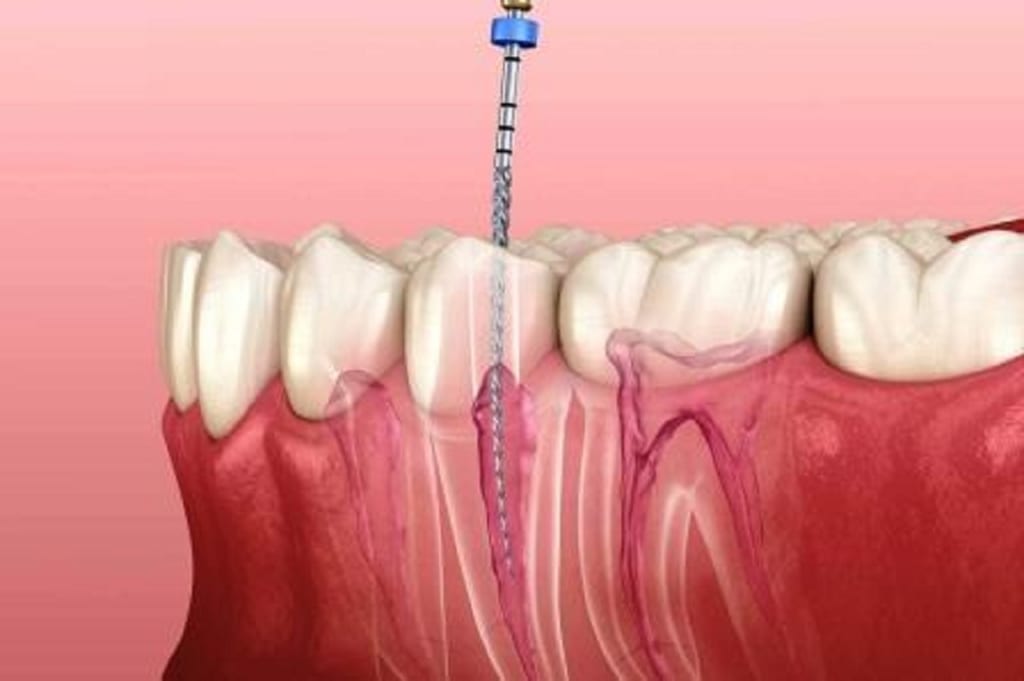
When dentists broke the news that you are a viable candidate for a 'root canal,' you may have asked two raging questions: "Is it painful?" and "Why do I need it?"
It is perfectly understandable to have this repulsion from root canal treatment in Dubai. After all, the name of the procedure itself sound excruciating - both physically and financially. Truth is, root canal is the safest way to alleviate the pain brought by internal infection and inflammation of the tooth pulp.
When the insides of a tooth become damaged by decays, injuries, and wrong placement of fillings, the nerves would start to degenerate. Over time, the tissues die and gangrene develops. As a result, you may feel more pain as the swelling persists. When not treated promptly, the infection may affect the bone supporting the root of the tooth.
Root canal then becomes vital in stopping the infection before it becomes worse. There is no need to worry about twinges and aches as recent innovations in dentistry made this particular treatment quick and pain-free.
When you need a root canal...
The signs that point to the necessity of this treatment actually vary. Some patients may feel a sharp pain when pressure is applied on the tooth in cases of biting, chewing or tapping. Others may experience lingering pain after the tooth is subjected to cold or hot foods. The symptoms may also manifest in the guise of abscesses and tendering of the gum tissues around the infected tooth.
Note, however, that the occurrence of these signs does not necessarily entail you to run to the dentists and request for root canal. It is imperative to observe whether the swelling goes away after some time. When the symptoms persist, it is high time to get a professional help.
How are root canal treatments performed?
The dentists start by administering a local anesthetic on the infected tooth as well as its surrounding areas. After several minutes, a small opening is "drilled" on the tooth's chewing surface. This will serve as the exhaust or passage of the dead tissues that will be removed. This is also where the dentists can disinfect the insides of the tooth.
After ensuring that the infection is cleared out, the "drilled" passage will be sealed with 'biocompatible filling materials.'
Do you really need a root canal?
If you refuse to undergo the treatment, you may opt to have the tooth extracted and replaced by an implant. This is, of course, more painful and expensive.
Rather than finding an alternative, it is best to ask the dentists for other methods that may prevent the need for root canal. It helps to know that such treatments are not necessary when the problem is concentrated on gum abscess. This kind of infection can be healed with non-invasive procedures and self-medication.
The treatment may only be carried about when you are suffering from nerve abscesses. That is, the infection has already reached the interiors of the teeth and gum tissues started degenerating. As such, it best to insist on a thorough diagnosis before agreeing with what the dentist is proposing. If possible, it is best to have the tooth tested by an electronic nerve tester.
Competence of dentists
The skills and knowledge of the dentists limit their proficiency in delivering root canal treatment. To be guaranteed of better treatment, look for a highly qualified dental expert. They should have the essential credentials that prove they are qualified. Make sure your preferred dentist is licensed.
About the Creator
Keep reading
More stories from writers in Longevity and other communities.
Day 4 of Quitting
If this is how sobriety feels, maybe it’s better to go through life a little buzzed… this, along with other hits like, I want to kill myself, I wish I was dead, and I’m going to throw myself off a bridge have been the only thoughts on rotation these past few days. I promise myself that if, in a month, I still feel like this (‘this’ meaning despondent, full of rage, and simultaneously numb) I can go back to smoking. Until mid-February though? Nicotine is off the table.
By sleepy drafts11 days ago in Longevity
The last door
The Day the Teacher Learned to Repent At Government High School, a new teacher named Abdul Hameed had joined. He was a little different from the other teachers. He wanted his students not only to follow the curriculum but also to think critically and creatively, so their learning abilities could grow.
By Sudais Zakwan4 days ago in Longevity
The Devil's Cut
“Comrade, finally you’re awake.” The voice was smooth, sensual. A flickering incandescent bar was all that lit the white, sterile room. All Vladimir remembered was everything going black. He tried to move his arms and found them strapped to the gurney.
By Matthew J. Fromm4 days ago in Fiction




Comments
There are no comments for this story
Be the first to respond and start the conversation.