


According to the UN, more people live in an urban setting than in the countryside. Four billion people live in an urban area of some sort across the globe. By 2050, it is predicted that two-thirds or seven billion people will live there. An urban area is a region surrounding or within a city where people live. These regions are so densely populated that human structures dominate the land, leaving no room for agricultural development. Urban zones are often highly targeted by terrorists, especially if it’s an important one, like New York or Washington DC. Here are some useful survival tips if you live in one of these areas.
Apartment Survival
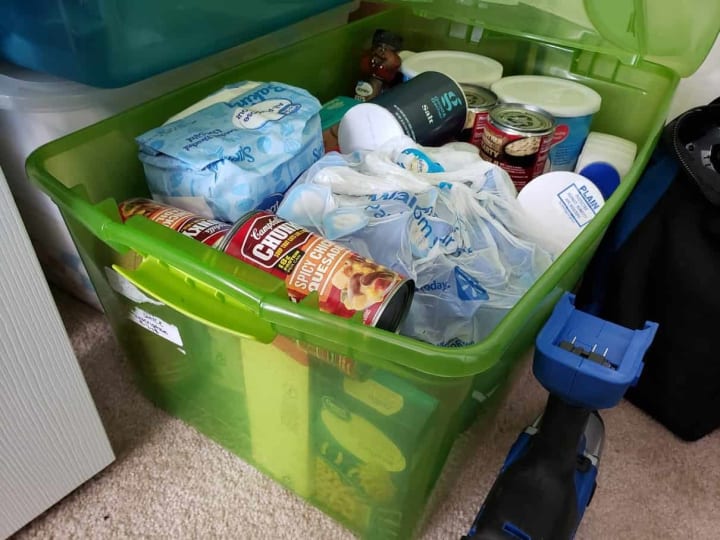
The goal of urban development is to squeeze as many people as you legally (and sometimes illegally) can in one spot. To do so, contractors depend on the development of high-rise apartment complexes. 16% of the US population lives in an apartment. Living in an apartment means you have very little space to store your belongings in. Leaving many people to get creative with their storage needs. Invest in prepping supplies that are multi-purpose. Take advantage of door organizers and under-the-bed storage bins. Rally the entire building together and establish a prepping team, with each apartment assigned to a task. Some apartment buildings give you a small storage unit in the basement that you can convert into a Doomsday shelter storeroom. Have a way of cooking indoors during an extended blackout. If your apartment is on the ground floor, make sure you have a security plan in place to handle rioting and looting.
Evacuation Is Important

If it is a disaster, you have a couple of days’ warning for government officials will want as many people as possible to leave. The least amount of people that stay behind, means the least amount of money rescuers will spend saving survivors. But mass evacuation means mass chaos, leading to gridlock traffic. Imagine rush-hour traffic and multiply that by ten. Once you are told to leave the area, do so as quickly as you can. The faster you hit the road, the higher the chance of you getting stuck in gridlock. Having a Bug Out Bag for each person in your house ready to go eliminates hours of stressful packing and lessens the risk of you forgetting something important. In my experience, the more important the item is, the more likely you are to forget it. Having a pre-determined destination in mind also helps you pack better. If staying in a hotel, call them the very second evacuation is declared to book your room. Know the alternate routes out of the urban zone that avoid the major highways and interstates. If you stay, remember that you’ll be on your own for days, and sometimes weeks. Emergency personnel will be very thinned out and overwhelmed, so they often rate calls by priority and pick the high ones first. Your cell phone needing to be charged will fall far behind the guy trapped in neck-deep water.
Brace yourself

Just because you live in a city doesn’t make you immune to Mother Nature. Familiarize yourself with the local weather patterns. If you live near the ocean, prepare for hurricanes and tsunamis. If you experience snow, have a blizzard plan on hand. Due to all the concrete and asphalt, heat waves will pack a harder punch in the summer. With all these people crammed in one town, diseases can spread faster than the wildfires that threaten areas with a lot of forests nearby. Riots and looting are becoming a major issue that you should prepare for (for riot survival information, visit https://shopping-feedback.today/theSwamp/surviving-a-riot%3C/a%3E%29. Flooding is common everywhere, even in areas you don’t think are possible. Make sure your flood insurance policy is up to date prior to the disaster, even if you rent get one. Consult with an insurance company about getting Renter’s insurance. That way, you are protected from disasters, both natural and man-made, as landlords are under no obligation in most states to protect you from such damages.

During and after a disaster you’ll have plenty of downtime, and with no power to charge your phones, laptops, and tablets, you’ll need to find something to do. Invest in items to keep you and your family entertained, like board or card games. Puzzles and coloring books are another fun way to pass the time. Read those books you’ve been putting off. Organize a room or two. Buy some supplies for a hobby you’ve been wanting to try. Prior to the crisis, put together a Rainy Day Kit (https://shopping-feedback.today/lifehack/making-a-speciality-kit%3C/a%3E%29 to make sure everything you need to get through the boredom is ready and available. During the aftermath, when things settle down, volunteer with the clean-up effort to help restore normalcy to the community. Help those displaced by the disaster by helping at the shelter by handing out food, blankets, and other needed supplies.

About the Creator
M.L. Lewis
Welcome to my little slice of pie. This blog will primarily focus on prepping and homesteading skills with a sprinkle of fiction every now and then.
Keep reading
More stories from M.L. Lewis and writers in Longevity and other communities.
Preparing For The Big Blast
Nuclear war has been on everyone’s mind since Putin invaded Ukraine earlier this year. The threat of nuclear war has been around since WW2 when America vaporized two Japanese cities shortly after the attack to Pearl Harbor. In the 50s, nuclear weapons were so feared that bunkers were being constructed in backyards, as schools were holding routine drills on what to do should a bomb drop in the area. Today, the threat of nuclear war is still at an all-time high as military experts say it’s no longer if the bombs fall, it’s when. Here is some advice you can use to help get you through the big one.
By M.L. Lewis3 years ago in Longevity
Met Office Forecasts Dry Weather for Sindh
The Pakistan Meteorological Department has issued a forecast indicating that Sindh province is expected to experience a prolonged period of dry weather over the coming weeks. Meteorologists say the region will see little to no rainfall, with temperatures remaining above seasonal averages, raising concerns about agriculture, water resources, and public health. According to the Met Office, a high-pressure system over the Arabian Sea and the Indian subcontinent is likely to dominate weather patterns in Sindh for the next fortnight. This atmospheric configuration inhibits cloud formation, leading to clear skies and minimal precipitation. Forecasts predict daytime temperatures in major cities, including Karachi and Hyderabad, to hover between 28°C and 34°C, slightly above the long-term average for this period. Nighttime temperatures are expected to remain mild, ranging from 18°C to 22°C. The dry spell comes at a critical time for the agricultural sector. Sindh is a major contributor to Pakistan’s wheat, sugarcane, and rice production. Farmers are being advised to monitor soil moisture levels carefully and consider supplemental irrigation for crops at sensitive growth stages. Prolonged dry conditions can affect germination, yield, and quality, particularly for wheat crops that rely on moderate rainfall in the final stages before harvest. Water resource management is also expected to become a key challenge. Reservoirs and canals in Sindh, which depend on upstream flows from the Indus River system, are already operating at variable levels due to reduced inflows and increased water demand. Local authorities are monitoring water distribution closely, emphasizing conservation measures and urging residents to avoid excessive usage. In some districts, water rationing plans may be activated if the dry period persists. Public health officials have cautioned about potential heat-related risks. Although the current temperatures are not extreme, prolonged dry conditions can exacerbate health issues, particularly for vulnerable populations such as the elderly, children, and people with preexisting medical conditions. Heat stress, dehydration, and respiratory issues may become more common if residents do not take appropriate precautions. Health authorities recommend staying hydrated, avoiding prolonged exposure to the sun during peak hours, and ensuring access to cool environments. The Met Office also noted that dust storms and haze could occur in some areas due to the dry conditions combined with occasional strong winds. These phenomena can reduce visibility and impact road traffic, aviation, and outdoor activities. Residents are advised to take safety precautions, particularly when traveling, and to follow local advisories regarding dust and air quality. Economists have warned that the dry spell could have indirect effects on local markets. Reduced crop output may drive up food prices, especially for wheat, rice, and vegetables, affecting household budgets and contributing to inflationary pressures. Traders and suppliers are being advised to monitor market conditions and plan accordingly to avoid shortages or sudden price hikes. Despite the dry weather, meteorologists have noted that this pattern is part of a natural seasonal variation. Sindh typically experiences dry periods during the pre-monsoon and post-winter seasons, and occasional heat waves are not unusual. However, experts also emphasize that climate change may be altering rainfall patterns, leading to longer dry spells and more unpredictable weather events. Continuous monitoring and early warning systems are essential to mitigate risks to agriculture, water supplies, and public health. Authorities in Sindh have urged residents and local businesses to remain vigilant. Farmers should adopt efficient irrigation practices, municipal agencies should ensure water distribution networks function effectively, and the public should take measures to protect health and safety. Collaboration between government departments, meteorological agencies, and the community will be crucial in managing the impacts of this dry period. Looking ahead, the Met Office expects the dry spell to continue into late March, with little relief from rainfall until the onset of the pre-monsoon showers. While temperatures are likely to remain moderate, the persistence of dry weather underscores the need for careful planning and resource management in Sindh. Residents are encouraged to stay updated with official forecasts and advisories to minimize the effects of prolonged dry conditions on daily life and livelihoods.
By Fiaz Ahmed 4 days ago in Longevity



Comments
There are no comments for this story
Be the first to respond and start the conversation.