
Obesity in children is more harmful. Pay attention to these in diet!
Childhood obesity

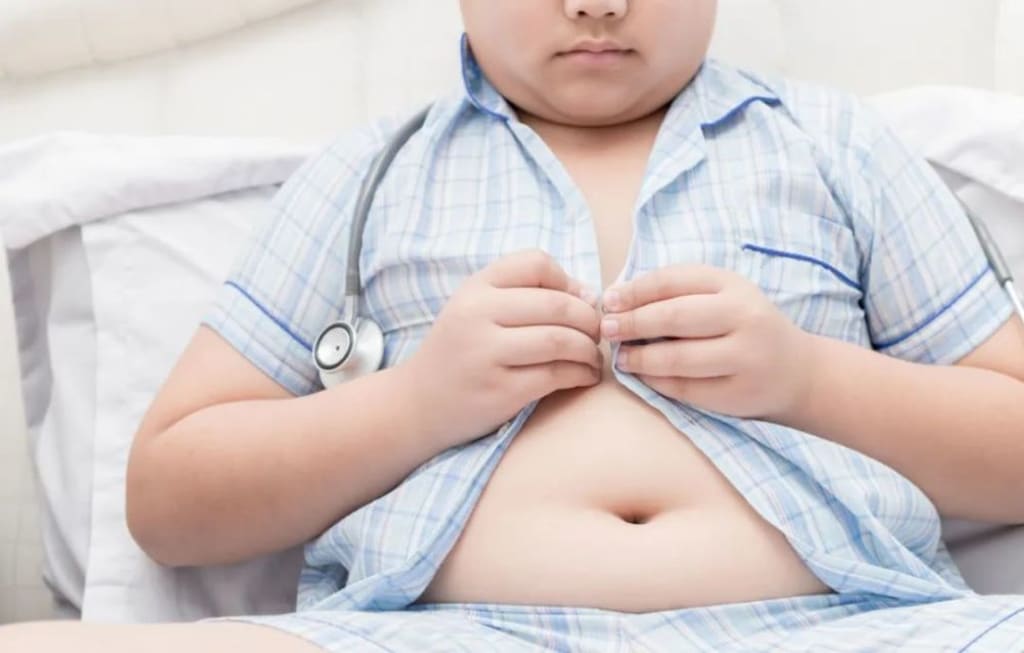
In recent years, due to profound changes in the dietary structure and lifestyle of children and adolescents, coupled with factors such as heavy schoolwork and popularization of electronic products, children and adolescents have widespread imbalanced nutrition and insufficient physical activity, and the rate of overweight and obesity has shown a rapid upward trend. What are the specific hazards of childhood obesity? For families that already have children, what should be paid attention to in terms of daily dietary intake and dietary behavior in the prevention of childhood obesity?
Obesity is still very harmful to children's health. It not only affects the growth and development and physical and mental health of children, but also harms the development of the family and society.

The individual health of children can be divided into the following four aspects:
First, it will affect the growth and development of children. Obesity can cause some harm to multiple organs and systems, such as the bones and muscular systems, because excessive weight will put a lot of pressure on the bones and muscles, and easily cause joint, bone, and muscle damage. Obesity also affects children's reproductive system and endocrine system, leading to early puberty development, and in severe cases, it may also lead to precocious puberty.
Second, it will affect children's brain and intellectual development. A large number of studies have shown that the intelligence level of obese children is significantly lower than that of normal-weight children, and the heavier the obesity, the greater the impact on cognition and intelligence.

Third, it will affect children's athletic ability and sports development. The vital capacity of obese children is relatively low, and their physical qualities, such as endurance, explosiveness, and flexibility, are significantly lower than children of normal weight.
The fourth is the psychological impact on children. Obese children often have some psychological problems. For example, they are more self-suppressed, prone to excessive inferiority, and are more withdrawn.
Children are fat when they are young, and they tend to be fat when they grow up. This will increase the prevalence of chronic diseases in adulthood, such as coronary heart disease, stroke, diabetes, cancer, etc., thereby affecting their lifetime health, life span and quality of life. The harm of obesity to children’s physical and mental health will also increase the economic burden on the family and society. This harm will limit the development of children’s potential, and the labor productivity will decline when they grow up. Therefore, it will affect the improvement of the family and the entire nation’s quality and economic, economic, The long-term development of society is unfavorable.
What are the effects of childhood obesity?
What causes obesity in children? Liu Ailing said that genetic factors account for about 40%-70% of the incidence of obesity. It is difficult for genes to undergo major changes in a short period of time. Therefore, in recent decades, the rapid increase in childhood obesity is not due to genetic changes, but environmental factors.

Among environmental factors, individual factors have the greatest impact on children's obesity. The obesity factors among the individual factors include the unreasonable dietary structure of the child, often eating some high-energy foods, and the excessive energy supply of fat will also lead to an increase in energy intake, thereby increasing the risk of obesity. In addition, children often skip breakfast or have fewer types of breakfast and poor nutritional quality; often eat some high-oil, high-sugar snacks; often drink sugary drinks; often eat out; overeating and other unhealthy Behaviors also increase the risk of obesity.
Obesity occurs because of an imbalance in energy intake and consumption. Compared with children's excessive energy intake, children's energy consumption is now showing a downward or decreasing trend. Children usually have less physical activity, watching TV, playing on mobile phones, and increasing static time. This situation leads to lower energy consumption of children and adolescents and increases the risk of obesity.
Prevent obesity, pay attention to diet
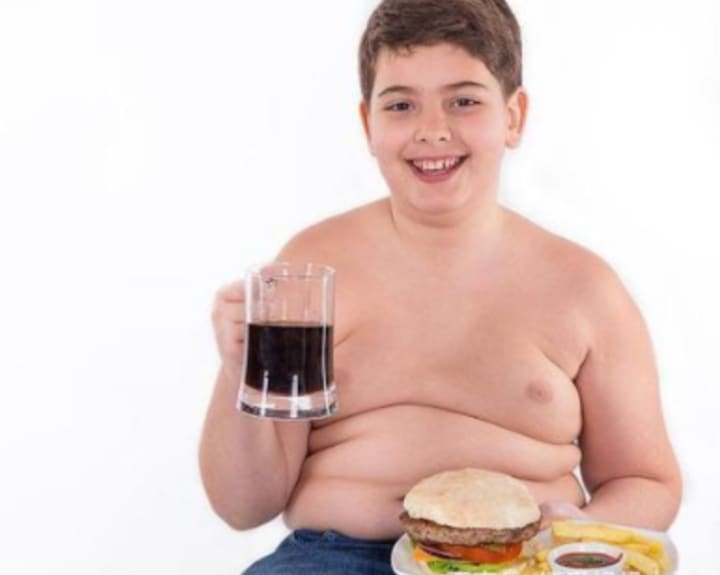
1. Eat regularly. Eat a good breakfast, the energy provided by breakfast should account for 25%-30% of the whole day's energy, lunch accounts for 30%-40%, and dinner is roughly the same. Also pay attention to the diversification of food varieties. It is best to consume 12 different types of food a day, including cereals, animal foods, vegetables and fruits, milk, soy products, nuts, etc.
2. Eat at home as much as possible and eat less out. Family eating is relatively healthier. Some parents use Western-style fast food as a means of reward or punishment for their children. This is undesirable and will affect their children's normal eating behavior.
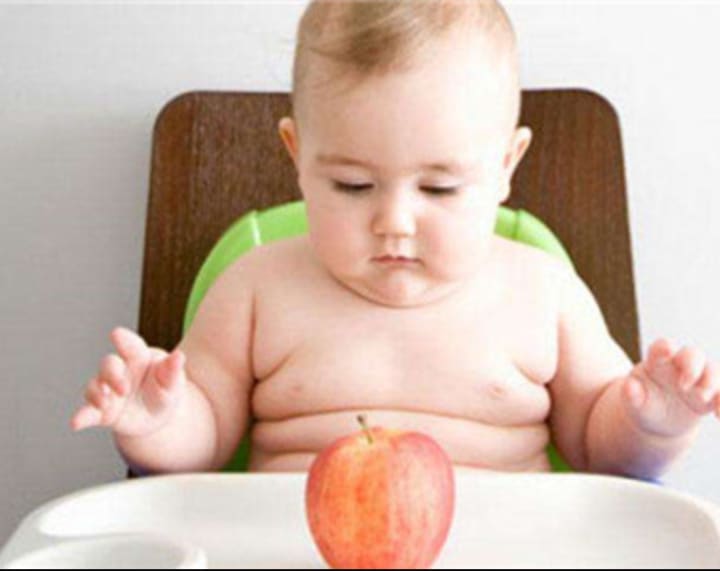
3. Create a relaxed and pleasant atmosphere when dining. Especially for children to focus on eating. Never let children watch their mobile phones or watch TV while eating. This will affect the child's food digestion and absorption.
Fourth, pay attention to the way food is cooked. Food should not be fried as much as possible. The way of frying tends to increase the energy content of the food, and it is better to use steaming, boiling, and stewing.
Fifth, ensure that the child's intake of cereals, especially whole grains. Whole grains are not over-processed and retain dietary fiber and vitamins and minerals needed for the growth and development of the child, which is conducive to the healthy growth of the child.
About the Creator
Keep reading
More stories from writers in Longevity and other communities.
Day 4 of Quitting
If this is how sobriety feels, maybe it’s better to go through life a little buzzed… this, along with other hits like, I want to kill myself, I wish I was dead, and I’m going to throw myself off a bridge have been the only thoughts on rotation these past few days. I promise myself that if, in a month, I still feel like this (‘this’ meaning despondent, full of rage, and simultaneously numb) I can go back to smoking. Until mid-February though? Nicotine is off the table.
By sleepy drafts14 days ago in Longevity
Global Cardiac Arrhythmia Monitoring Devices Market Size and Forecast 2025–2033
Introduction: A New Era in Heart Rhythm Monitoring The global healthcare landscape is undergoing a profound transformation, driven by digital technologies, artificial intelligence, and an urgent need to manage chronic diseases more effectively. Among these changes, cardiac arrhythmia monitoring devices have emerged as one of the most critical tools in modern cardiology. As irregular heart rhythms become more common due to aging populations, sedentary lifestyles, and rising cardiovascular disease (CVD) prevalence, the demand for continuous and accurate heart monitoring is accelerating rapidly.
By Marthan Sirabout 18 hours ago in Longevity
The Devil's Cut
“Comrade, finally you’re awake.” The voice was smooth, sensual. A flickering incandescent bar was all that lit the white, sterile room. All Vladimir remembered was everything going black. He tried to move his arms and found them strapped to the gurney.
By Matthew J. Fromm7 days ago in Fiction


Comments
There are no comments for this story
Be the first to respond and start the conversation.