
Mental Health Awareness: Understanding, Acceptance, and Accessibility
In recent years, the conversation surrounding mental health has evolved significantly. Once a stigmatized topic often hidden in the shadows, mental health has emerged as a critical aspect of overall well-being, demanding attention and awareness. Mental health awareness is essential for understanding the complex nature of mental illnesses, reducing stigma, and ensuring that individuals have access to the support and resources they need. This article discusses the importance of mental health awareness, its impact on society, and steps we can take to foster a more supportive environment.

Understanding Mental Health
Mental health encompasses emotional, psychological, and social well-being. It affects how individuals think, feel, and behave in their daily lives. Mental health influences how we handle stress, relate to others, and make choices. Mental health disorders, such as depression, anxiety, bipolar disorder, and schizophrenia, affect millions of people worldwide. According to the World Health Organization (WHO), approximately 1 in 4 individuals will experience a mental health issue at some point in their lives.
Despite its prevalence, many people still harbor misconceptions about mental health. Understanding the facts surrounding mental health is crucial in promoting awareness. Mental illnesses are medical conditions that require treatment, just like physical illnesses. They are not a sign of weakness or a character flaw. By educating ourselves and others about mental health, we can foster an environment that encourages dialogue and reduces stigma.
The Importance of Mental Health Awareness
Reducing Stigma: One of the most significant barriers to seeking help for mental health issues is the stigma associated with them. Many individuals feel ashamed or embarrassed to discuss their mental health struggles due to fear of judgment or rejection. Mental health awareness campaigns play a vital role in challenging these stereotypes and promoting acceptance. By sharing personal stories and experiences, individuals can demonstrate that mental health struggles are common and that it is okay to seek help.
Encouraging Help-Seeking Behavior: Increased awareness can empower individuals to reach out for help when they need it. Many people suffer in silence, believing that they must handle their mental health challenges alone. By raising awareness about the availability of resources, such as therapy, counseling, and support groups, we can encourage more people to seek the help they need.
Promoting Education and Prevention: Mental health awareness is not just about addressing existing issues; it is also about prevention. Educational programs can equip individuals with the tools to recognize early warning signs of mental health struggles, both in themselves and in others. Awareness initiatives can teach coping strategies, stress management techniques, and resilience-building skills, empowering individuals to maintain their mental health proactively.
Creating Supportive Environments: One of the goals of mental health awareness is to create environments that support mental well-being, whether in schools, workplaces, or communities. By fostering a culture of understanding and empathy, we can ensure that individuals feel safe discussing their mental health and seeking assistance without fear of judgment. This can be achieved through training programs for teachers, employers, and community leaders to help them identify and respond to mental health needs effectively.
Strategies for Promoting Mental Health Awareness
Educational Campaigns: Schools, workplaces, and community organizations can initiate educational campaigns aimed at raising awareness about mental health. These campaigns can provide information on the significance of mental health, common mental illnesses, and available resources for support.
Open Dialogue: Encourage open discussions about mental health in various settings. Creating spaces where individuals feel comfortable sharing their experiences can help normalize conversations about mental health and reduce stigma.
Peer Support Programs: Implement peer support programs in schools and workplaces, where individuals can connect with trained peers who can offer support and guidance. Peer support can create a sense of community and understanding, making it easier for individuals to share their mental health challenges.
Utilizing Media and Social Platforms: Social media can be a powerful tool for spreading awareness. Campaigns that utilize hashtags, share personal stories, and engage with followers can reach a wide audience and promote mental health discussions.
Training for Professionals: Teachers, managers, and healthcare providers should undergo training to recognize signs of mental health issues and respond appropriately. Training can equip these individuals with the tools necessary to support those in need and foster a positive environment.
The Role of Policy and Access to Resources
While awareness is vital, it must be coupled with action. Access to mental health resources is essential for individuals seeking help. Governments and organizations must prioritize mental health in policy-making and ensure that adequate resources are available. This includes funding for mental health services, increasing the number of trained mental health professionals, and providing affordable treatment options for those in need.
Telehealth services have become increasingly valuable, especially in the wake of the COVID-19 pandemic. They offer individuals the ability to access mental health support from the comfort of their homes, removing barriers such as transportation and stigma associated with visiting mental health facilities.
Conclusion
Mental health awareness is crucial for creating a more understanding and supportive society. By reducing stigma, encouraging help-seeking behavior, promoting education, and ensuring access to resources, we can foster an environment where mental well-being is prioritized. Everyone deserves to feel supported in their mental health journey, and awareness is the first step toward achieving this goal. It is time to recognize that mental health matters, just as much as physical health, and advocate for a future where mental health struggles are met with compassion, understanding, and the resources necessary for healing. Together, through awareness and action, we can create a world that values and protects mental health for all.
About the Creator
Day 4 of Quitting
If this is how sobriety feels, maybe it’s better to go through life a little buzzed… this, along with other hits like, I want to kill myself, I wish I was dead, and I’m going to throw myself off a bridge have been the only thoughts on rotation these past few days. I promise myself that if, in a month, I still feel like this (‘this’ meaning despondent, full of rage, and simultaneously numb) I can go back to smoking. Until mid-February though? Nicotine is off the table.
By sleepy drafts20 days ago in Longevity
Natural Gas Prices Soar as Arctic Cold to Blast Upper Midwest and Descend Across U.S.
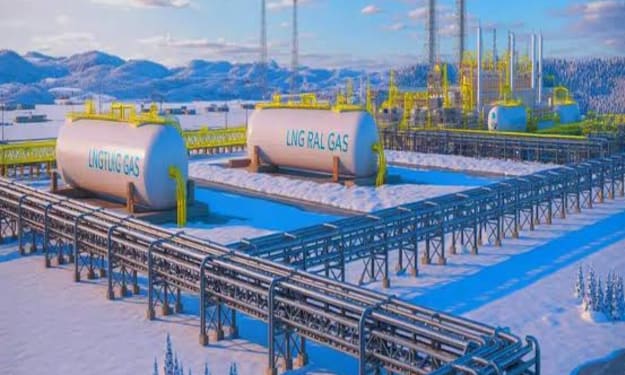
As an Arctic blast threatens to sweep across the Upper Midwest and beyond, natural gas prices in the U.S. have spiked sharply, reflecting concerns about rising energy demand amid extreme winter conditions. This chilling forecast comes as millions brace for plummeting temperatures, heavy snow, and the potential for widespread disruption to heating and power infrastructure. A Polar Vortex on the Horizon Meteorologists have confirmed that a polar vortex pattern will push frigid air from the Arctic southward, engulfing states such as Minnesota, Wisconsin, Michigan, and Illinois, before spreading across the broader U.S. heartland. Temperatures are expected to drop 20–30 degrees below normal in many areas, triggering an unprecedented surge in energy consumption as residents and businesses scramble to stay warm. This cold snap is not only a human concern but also a market-moving event. The increased demand for natural gas, the primary heating fuel for millions of American homes, is driving futures prices to new seasonal highs. Analysts warn that households relying on gas-fired heating systems could see higher energy bills in the coming weeks, and cities may need to implement conservation measures to prevent shortages. Why Natural Gas Prices Are Rising Natural gas markets are highly sensitive to temperature fluctuations. When the Arctic cold settles in, utilities ramp up consumption to maintain indoor temperatures, leading to a sharp increase in gas withdrawals from storage. With inventories already below average due to a milder-than-expected start to winter, traders are reacting to the anticipated strain on supplies, causing spot and futures prices to surge. Industry experts highlight several factors behind the current price spike: Limited storage levels: Natural gas storage was already below the five-year average heading into winter, leaving the market more vulnerable to cold snaps. High heating demand: Millions of U.S. households rely on natural gas for heating, and extreme cold can spike usage within days. Production constraints: Some production regions face logistical challenges, limiting the ability to ramp up output quickly. Global energy trends: International demand, particularly from Europe and Asia, has influenced domestic market sentiment, adding upward pressure on prices. The Human and Economic Impact The immediate effect of the cold blast will be felt by residents across the Upper Midwest. Utility companies are urging customers to insulate homes, monitor thermostat settings, and reduce nonessential energy use to help prevent potential outages. Rural areas, where energy infrastructure is less resilient, may face intermittent gas supply disruptions, forcing households to seek alternative heating methods. Emergency services are on alert, with shelters preparing to accommodate those unable to heat their homes. Economically, the surge in natural gas prices can have a ripple effect. Increased heating costs may strain household budgets, while industries reliant on natural gas for production—such as chemical manufacturing and food processing—could face higher operational expenses. Analysts suggest that retail prices for gas-heated utilities could rise by 15–25% during the peak of the cold spell, depending on the severity and duration of the freeze. Preparing for the Cold Utilities and government agencies are taking preemptive measures to mitigate the impact of the Arctic blast: Natural gas suppliers are coordinating to ensure adequate pipeline flow and prioritize critical infrastructure. State authorities are issuing advisories, encouraging residents to stock up on essentials and avoid unnecessary travel during extreme conditions. Energy markets are closely monitoring storage withdrawals and production levels to prevent shortages and stabilize pricing. Forecasters are also emphasizing the importance of long-term preparedness, as climate variability and extreme weather events may continue to test energy infrastructure. Investment in renewable energy, resilient heating systems, and strategic storage facilities is increasingly being seen as vital for ensuring reliable access to energy during future cold snaps. Outlook for the Week Ahead As the Arctic cold descends, natural gas markets will remain volatile, with prices likely to remain elevated until temperatures moderate. Analysts advise consumers and businesses to plan for higher bills, while policymakers evaluate potential interventions, such as short-term subsidies or energy relief programs, to support vulnerable populations. While the Upper Midwest braces for frigid temperatures, heavy snow, and high gas prices, the situation underscores a broader reality: energy markets and weather are increasingly intertwined, and extreme cold events can have immediate, widespread economic and social impacts. Conclusion The upcoming Arctic blast is a stark reminder of how weather can shape energy markets and daily life. With natural gas prices soaring, households, industries, and governments face a delicate balancing act: meeting heating demands while maintaining affordable and sustainable energy supplies. As the cold wave moves across the U.S., residents are urged to stay informed, conserve energy, and prioritize safety, while analysts continue to track market responses to one of the most severe winter threats of the season.
By Fiaz Ahmed 6 days ago in Longevity



Comments
There are no comments for this story
Be the first to respond and start the conversation.