
Loneliness in the Age of Hyperconnection
We’re more digitally connected than ever—but somehow, we feel more alone. Why is that?


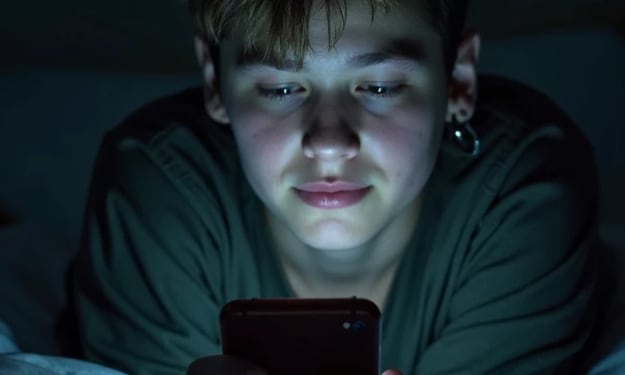
You can have 1,000 followers. Messages lighting up your phone. Group chats, video calls, likes on every story. And still, somehow, feel completely alone.
It’s strange, isn’t it? We’re living in a time when we’re always “reachable,” yet real emotional closeness feels harder to find. That’s the paradox of modern loneliness. It’s not just about being physically alone—it’s about feeling unseen, unheard, and emotionally disconnected.
And right now, more people than ever are quietly feeling it.
Loneliness Doesn’t Always Look Lonely
It’s easy to picture loneliness as an elderly person living alone, or someone eating lunch by themselves. But the truth is, it often hides behind busy schedules and smiling selfies. It lives in the moments after the call ends, or in the silence between texts.
You can be surrounded by people and still feel completely isolated—especially if your interactions feel shallow or performative.
Some of the loneliest people I’ve met were the ones who looked like they “had it all together.”
Why Are We Feeling This Way?
Several things contribute to the quiet epidemic of loneliness:
- Surface-level connections – Social media has made it easier to keep in touch, but harder to go deep.
- Less face-to-face interaction – Especially post-pandemic, many of us are still adjusting to changed social habits.
- Constant comparison – Seeing everyone else’s “highlight reel” makes us feel like we’re the only ones struggling.
- Hustle culture – We stay busy and overbooked, leaving little time for emotional presence.
And let’s not forget: being vulnerable takes courage. When we’ve been hurt or dismissed before, opening up again feels risky. So we armor up with distractions.
- The Mental Toll of Feeling Alone
Loneliness isn’t just sad—it’s deeply damaging over time. Research has linked it to anxiety, depression, sleep issues, and even physical health problems like heart disease.
But the worst part? When we’re in it, we tend to believe we’re the only ones.
We think, Everyone else seems connected. What’s wrong with me?
We isolate further. We pull away. And the cycle deepens.
So… What Can We Do About It?
There’s no one-size-fits-all fix, but there are steps that actually help—starting with honesty.
- Acknowledge it. Don’t brush it off. If you’re feeling lonely, name it. That in itself is powerful.
- Prioritize quality over quantity. One deep, honest friendship is more healing than 100 surface-level chats.
- Reach out first. Don’t wait for someone else to text. You don’t have to start with “I’m lonely”—just say “Hey, I was thinking of you.”
- Schedule real connection. Coffee in person. A walk with no phones. A call where you don’t multitask. Presence matters.
- Join something offline. A book club, local class, volunteering—anything that creates shared experience.
And if you feel stuck, therapy is not just for crisis—it’s also for clarity and connection.
You’re Not the Only One
Loneliness whispers that something’s wrong with you. That you’re too much or not enough. That everyone else has it figured out.
But here’s the truth: You’re not broken. You’re human.
Most of us are walking around craving the same things: to be seen, heard, and understood. We’re just scared to admit it first.
So maybe we start by dropping the performance. Reaching out honestly. Choosing depth over display.
Connection takes effort—but it’s worth it. Because life isn’t meant to be lived alone behind a screen. And you deserve more than digital noise. You deserve to be known.
About the Creator
The Healing Hive
The Healing Hive| Wellness Storyteller
I write about real-life wellness-the messy, joyful, human kind. Mental health sustainable habits. Because thriving isn’t about perfection it’s about showing up.
Keep reading
More stories from The Healing Hive and writers in Longevity and other communities.
Doomscrolling & Dopamine: How Our Phones Are Quietly Rewiring Our Moods
It usually starts innocently. You open your phone to check one thing—maybe the weather or a message—and suddenly, you’re deep into a newsfeed of heartbreak, disasters, outrage, and endless takes. An hour passes. You feel anxious, foggy, or oddly numb. Sound familiar?
By The Healing Hive9 months ago in Longevity
Why Your Brain Loves Procrastination
Almost everyone has experienced procrastination. You have an assignment due, an important task waiting, or something you promised yourself you would finish today. But instead of starting, you suddenly feel the urge to check your phone, watch videos, clean your room, or do literally anything else.
By Being Inquisitiveabout 7 hours ago in Longevity


Comments
There are no comments for this story
Be the first to respond and start the conversation.