
Let's talk Memory
Answering your burning question on memory as well as those you haven't asked yet
The idea that our brain has a limited capacity for memories, like an attic, is a fascinating concept. While Sherlock Holmes' approach might seem extreme, it highlights the importance of prioritizing relevant information. Research suggests that our brain's storage capacity is vast, but not infinite. The brain's ability to consolidate and retrieve memories is a complex process, and while we can store a vast amount of information, our ability to recall it is influenced by various factors like attention, emotions, and repetition.
Having a perfect memory would be both a blessing and a curse. On one hand, it would be incredible to recall every detail, learning, and experience with precision. On the other hand, it could lead to information overload, making it difficult to prioritize and process relevant information. Imagine recalling every conversation, every detail, and every experience without being able to filter or forget – it could be overwhelming!
Life with perfect memory would likely be both fascinating and challenging. We would need to develop new strategies to manage the constant influx of information and find ways to prioritize what's truly important. It's intriguing to consider how our brains would adapt to such a scenario. Would we develop new mechanisms for filtering and organizing information, or would we become overwhelmed by the sheer volume of memories? The human brain is remarkable, and its capabilities are still not fully understood. While we may not have perfect memory, our brains are capable of incredible feats, and understanding its limitations and potential is essential to unlocking its full potential.
The concept of memory and forgetting is fascinating and complex. While Sherlock Holmes' approach to forgetting trivial information might seem extreme, it highlights the importance of prioritizing relevant information. Our brains have a remarkable ability to store and recall memories, but it's not a perfect system. Forgetting is a natural process that helps us move past traumatic events, clear out unnecessary information, and update our knowledge with new information.
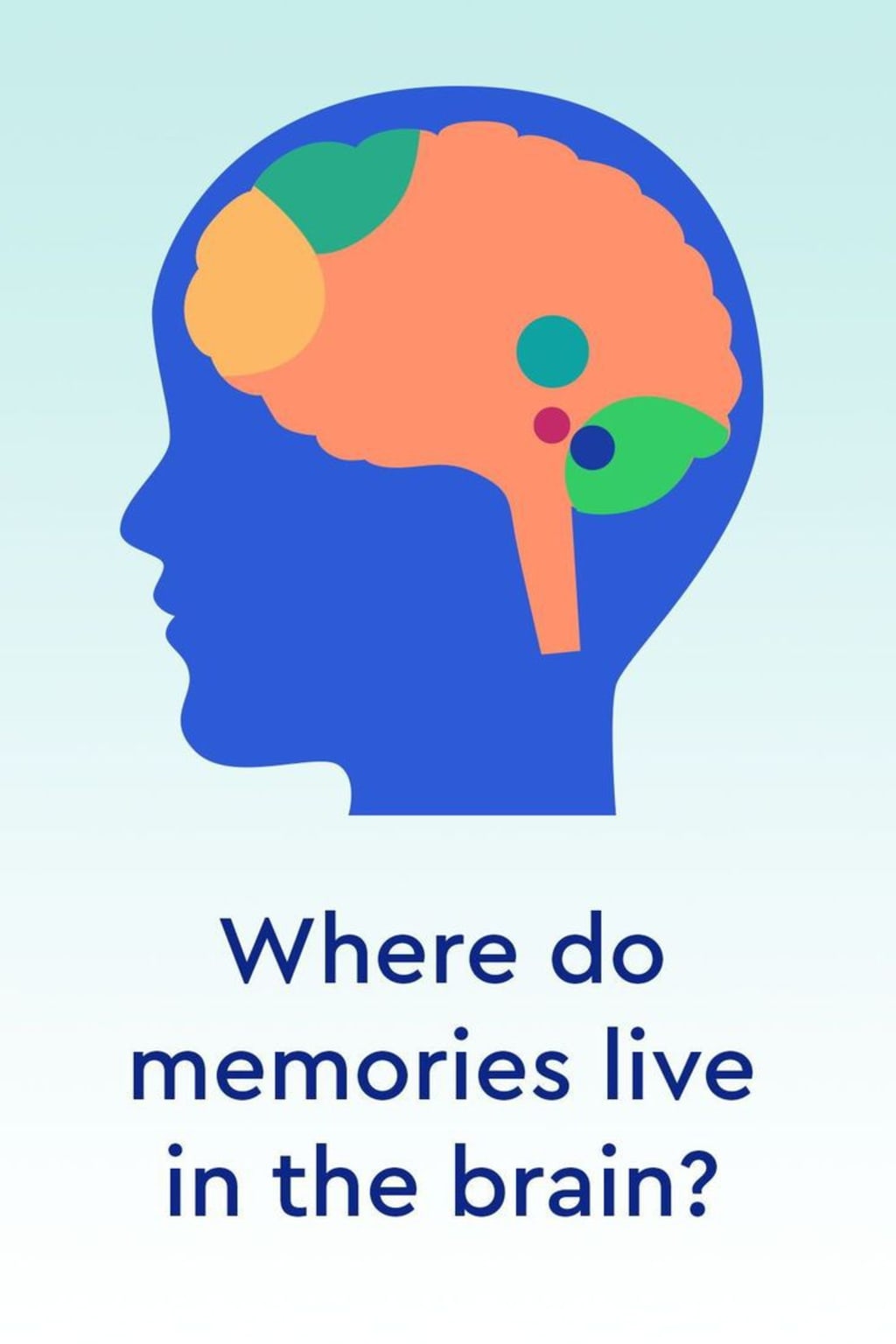
Memories are complex and scattered throughout the brain, involving multiple cells and regions. The hippocampus plays a key role in forming new memories, but memories aren't stored there. Instead, experiences are consolidated through replaying and strengthening connections between cells. Forgetting happens naturally over time, and our brains also intentionally forget useless information during sleep and suppress unpleasant memories. This process helps us move past traumatic events, clear out unnecessary information, and update our knowledge. While rare individuals with hyperthymesia never forget, most people's brains balance remembering and forgetting to navigate the world effectively.
The brain's storage capacity is vast, but it's not infinite. Memories are scattered throughout the brain, involving multiple cells and regions working together. The hippocampus plays a crucial role in forming new memories, but it's not the storage site. Consolidation, replaying experiences in our minds, helps solidify memories for long-term storage.
However, our brains can also create false memories, and leading questions can inadvertently plant them. Forgetting happens naturally over time, and our brains also intentionally forget useless information during sleep. Motivated forgetting helps us suppress unpleasant memories, regulating our emotions and focus.
Rare individuals with hyperthymesia never forget, but this can be both a blessing and a curse. While memorization is helpful, true understanding requires connecting concepts, seeking different interpretations, and dealing with new information.
In conclusion, memory and forgetting are intricate processes essential to our survival and learning. While we can't achieve perfect memory, understanding how our brains work can help us appreciate the beauty of memory and the importance of forgetting
So what are your thoughts. Let me know down in the comment section. Remember its your 24hours to enjoy. Stay blessed. Stay bubbly
About the Creator
Keep reading
More stories from Ekeke Divine Favour and writers in Longevity and other communities.
What side effects does puberty have on your brain.
Puberty is often associated with dramatic physical changes, but the transformation that takes place in the brain is just as significant. In fact, the process of puberty actually begins in the brain, where a series of complex hormonal signals trigger the onset of adolescence.
By Ekeke Divine Favour2 years ago in Longevity
Why Skipping Breakfast Is More Harmful Than You Think
Many students skip breakfast without thinking twice. Mornings are busy, classes start early, and sometimes there simply doesn’t seem to be enough time to prepare food. Some people even believe skipping breakfast might help reduce calorie intake.
By Being Inquisitive5 days ago in Longevity
Chamomile Tea: Benefits, Nutrients, Best Time to Drink, and Complete Health Guide
Introduction: Chamomile tea is a popular herbal drink made from dried chamomile flowers. It has been used for centuries in traditional medicine because of its calming and soothing properties.
By Health Tips2 days ago in Longevity



Comments
There are no comments for this story
Be the first to respond and start the conversation.