
keto Diet Weight Loss Tips and Description
The ketogenic diet may be right for you

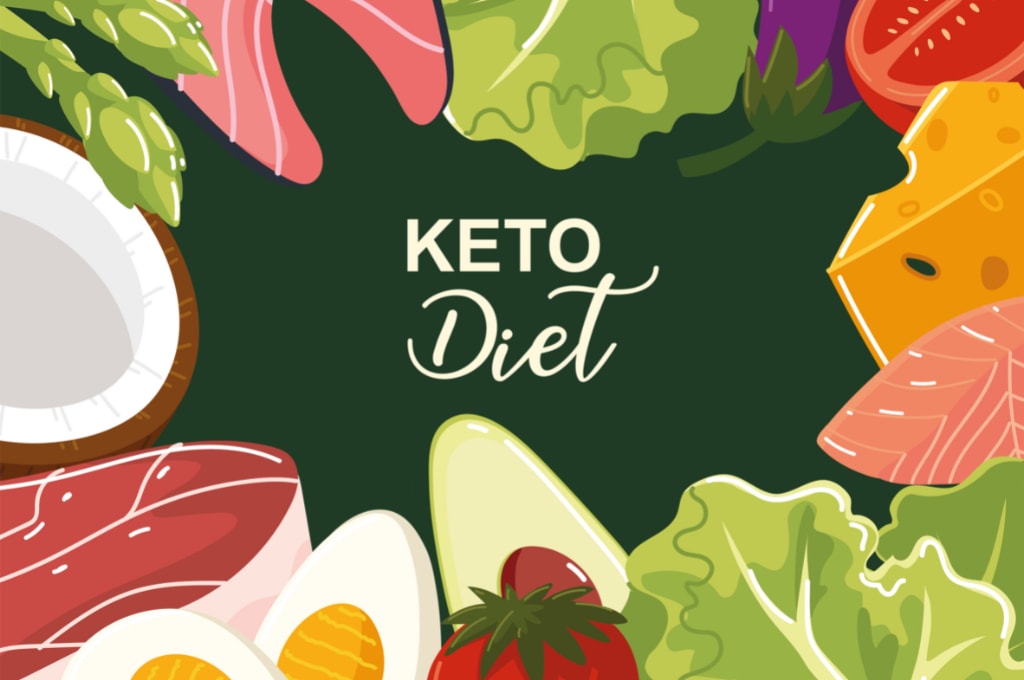
Whether you’re looking to shed some extra pounds or get your body into ketosis for a faster, more effective weight loss plan, then the ketogenic diet may be right for you.
A keto diet is a low-carb diet that forces your body to burn fat for fuel. When you eat little to no carbohydrates and a large amount of fat, your body will switch its primary source of energy from glucose to fatty acids, and in turn, ketosis is triggered.
If you don’t have enough healthy fats as part of your regular meals, replacing high-carb foods with healthy fats can also help you lose weight faster than with traditional approaches.
But it’s important to make sure that if you’re going to be following a keto diet, then you know what kind of carb intake is recommended: are they starchy vegetables? Fruit? Bread? or something else entirely?
In this article, we will explore the ins and outs of a ketogenic diet to help you make an informed decision.
What is a Keto Diet?
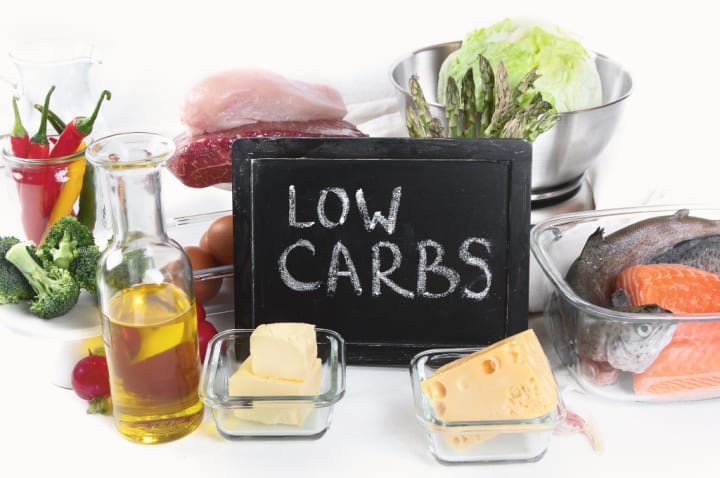
A keto diet is a low-carb diet that forces your body to burn fat for fuel. It’s been touted as a way to lose weight, fight disease, improve mental health, and even extend lifespans. The diet is becoming increasingly popular among people looking to leave the high-carb world behind, but it has a few important things to keep in mind before you start considering your options.
For one, the keto diet is not right for everyone. When following this diet, you have to completely abstain from consuming foods that contain carbohydrates, including legumes, grains, potatoes, fruit, and most starchy vegetables.
However, you can get your daily dose of healthy fats with avocados, butter, olive oil, nuts, salmon, chicken, and more. And if you want to lose weight, you can limit your carb intake to between 20 and 50 grams per day. In order to maintain the diet, you’ll also have to avoid sugar and alcohol.
So how exactly does the keto diet work? The keto diet is fairly simple when you break it down. The keto diet forces your body into a metabolic state known as ketosis. When you’re in ketosis, your body burns ketones as energy instead of sugar, which in turn prompts the metabolism to start burning body fat for energy.
The keto diet is said to get your body into ketosis, but it can have many health benefits beyond weight loss. Research has shown the diet to help improve mood, reduce inflammation, ease hunger, and improve insulin sensitivity, among other things.
How to Start a Keto Diet

If you’re ready to start a keto diet, then the first step is finding a doctor who can help you wean yourself off of your regular intake of carbs. Insurance companies and health care providers may not be aware of the benefits of the keto diet, and there’s a chance they’ll try to dissuade you from trying it out.
Your doctor can help you navigate this process, and if you’re lucky, they may even be supportive of the idea. If you’re not sure where to begin, then you can use a resource like a keto diet food list to get you started. You can also start by eliminating your carb-rich foods and gradually adding more fat- and protein-rich foods to your daily diet. You can also try reading a book on the diet, and if you’re interested in the topic, consider signing up for a keto diet program.
Benefits of Keto Diet
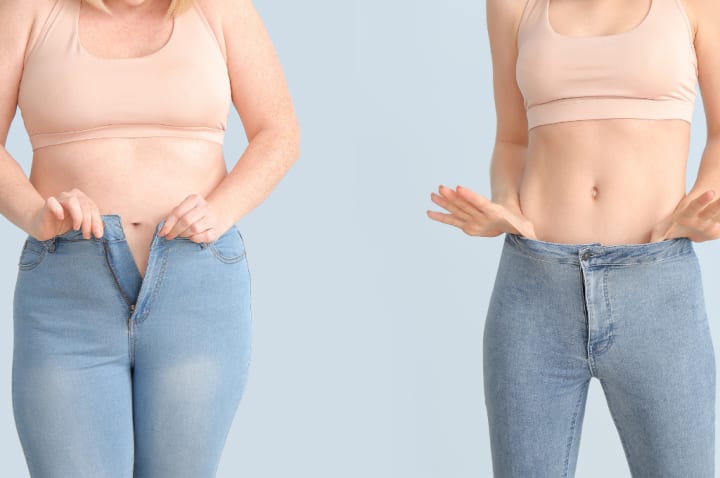
Weight Loss: The keto diet has been shown to help people with weight issues. When following this diet, you’re encouraged to eat high-fat, low-carb foods. This can result in significant weight loss, acne reduction, improved skin quality, and even better hair and nail growth. Because the keto diet forces your body to use fat for energy instead of sugar, it’s been shown to reduce insulin resistance and improve insulin sensitivity.
Anti-Aging: The keto diet has been shown to reduce the levels of oxidative stress in your body. Oxidative stress is linked to both aging and disease, and reducing your levels of oxidative stress can help you age better and keep your body healthier. And since carbs have been shown to cause oxidative stress, limiting your intake of these foods can help you stay younger longer.
No Cravings: Lower blood sugar levels thanks to the keto diet can have a significant impact on your mood and energy levels. This can help you avoid those cravings that have been holding you back from getting the healthy foods in your diet.
Types of Keto Diets
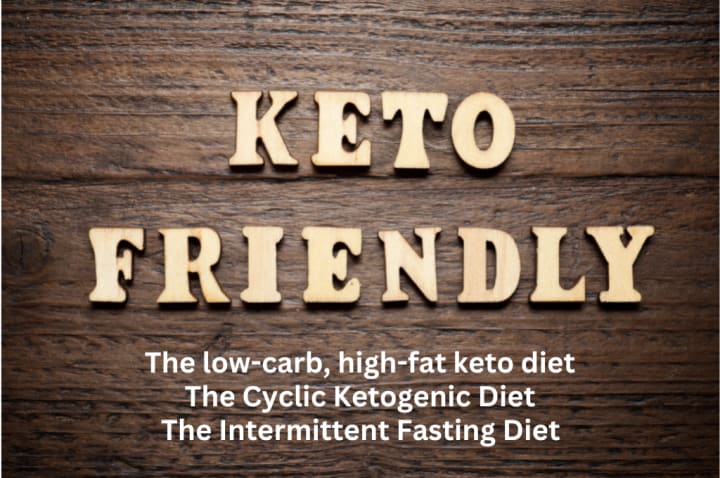
The keto diet is one of the most popular diets in use today, but it isn’t the only one available. There are several other types of ketogenic diets, including the low-carb, high-fat ketogenic diet, the cyclic ketogenic diet, and intermittent fasting. Each of these diets has its own set of pros and cons, and it’s important to do your research before choosing a keto diet that works best for you.
The low-carb, high-fat keto diet is the most popular keto diet in use today, and it’s designed for those looking to lose weight. The diet encourages you to eat high-fat foods such as avocados, olive oil, butter, fatty meats, cream, and heavy cream. It also allows you to consume high amounts of healthy fats, such as oily fish, nuts, and seeds.
The Cyclic Ketogenic Diet: This diet is similar to the low-carb, high-fat keto diet in that it encourages you to eat high-fat foods, but it doesn’t have the same restrictions on carbohydrate intake. The diet allows you to consume unlimited amounts of protein and healthy fats while limiting your carbohydrate intake to just 5 to 6 grams per day.
The Intermittent Fasting Diet - This diet is similar to the keto diet in that it focuses on high-fat, low-carb foods, but it differs in that you fast for 12 to 16 hours each day.
How to Transition From Traditional Diet to Keto
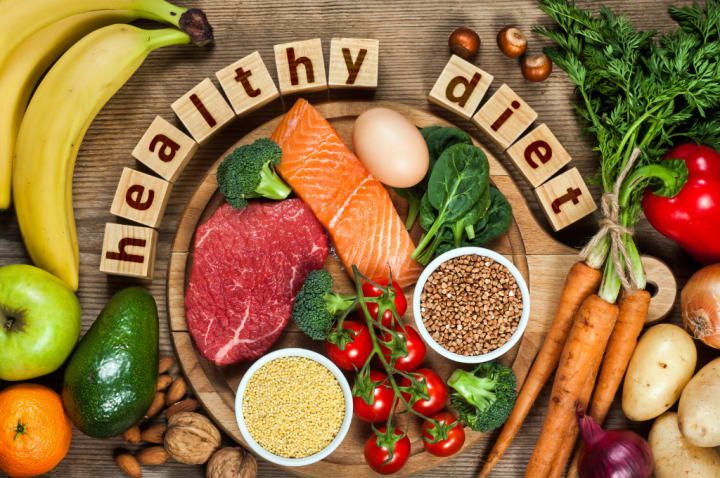
Once you’re on the keto diet, you’ll want to make sure that you follow the diet properly. This means that you’ll have to make adjustments to your daily diet and make sure that you’re following the keto diet food list. If you’re new to the diet, then it’s best to start by eliminating high-carb foods from your diet, including bread, pasta, rice, and potatoes.
Then, gradually introduce more fat- and protein-rich foods to your daily diet until you reach the 20- to 50-gram mark per day. You’ll also have to make sure that you’re drinking enough water while following a keto diet. You should try to consume around 8 glasses of water per day, or half a gallon.
3 Tips for Losing Weight with a Keto diet
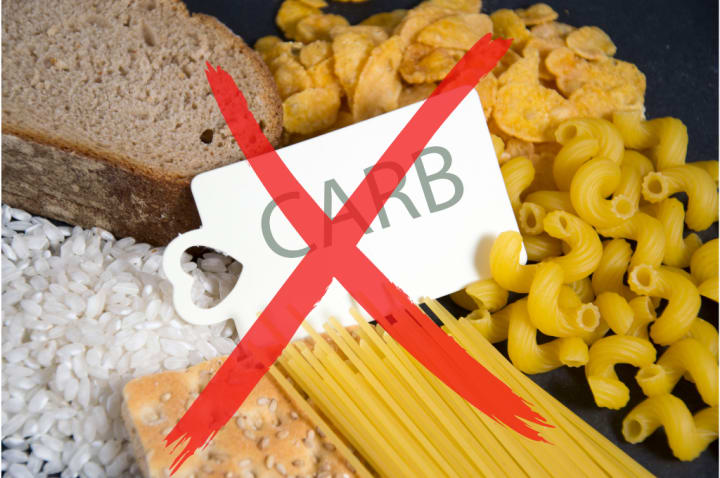
1. Eliminate carb-rich foods: This is one of the most important tips for losing weight with a keto diet. You have to limit your carb intake to between 20 and 50 grams per day, and don’t worry about counting every gram of carbs you eat. Any high-carb foods that are not included in that range should automatically be considered part of your daily intake.
2. Eat More Fat - Another crucial tip for losing weight with a keto diet is to consume more healthy fats. Try replacing your regular meals with fat-rich foods, such as avocados, olive oil, butter, and fatty cuts of meat. You can also try to sneak in more fat-rich foods during your daily snacks.
3. Take a Few Supplements: Another helpful tip for losing weight with a keto diet is to take a few supplements. Creatine is a great choice, as it helps mobilize your body’s stored creatine. The keto diet has been shown to increase your body’s stored creatine, which can help you feel energized and improve your athletic performance.
Conclusion
The keto diet may sound like an extreme approach to weight loss, but it’s actually been used for thousands of years as a way to help people get back into balance after periods of intense food deprivation. The diet is based on the principle that when the body runs out of glucose (a type of sugar), it will start breaking down stored fat and using it as fuel.
By Daniel Germain
About the Creator
Daniel Germain
I have been the co-owner of a residential center for people with loss of autonomy for over 20 years. I am interested in all areas of health, but especially nutrition and mind power. You can visit my website at http://healthymagiclife.com
Keep reading
More stories from Daniel Germain and writers in Longevity and other communities.
Steps to improve your life
People who are successful have unique lifestyles. They win awards and climb the corporate ladder, but wealth is nothing compared to the goal you're pursuing, which has the potential to change your life forever. These successful people are keen to leave a mark, a legacy, of their time on earth, inspired by their mission.
By Daniel Germain4 years ago in Longevity
The Best Time To Eat Breakfast for Blood Sugar and Energy
Eating breakfast within 1–2 hours of waking up can help support blood sugar and provide energy and nutrients to start your day. Eating breakfast at a consistent time is important. Changing meal times can disrupt the body’s internal clock, which helps regulate blood sugar. A balanced breakfast with complex carbs, protein, and healthy fats helps support blood sugar.
By Good health to everyone5 days ago in Longevity
Why Protein Is Essential for the Elderly
As people age, maintaining good nutrition becomes increasingly important for health and independence. One nutrient that often receives special attention in elderly nutrition is protein. While protein is important at every stage of life, it becomes especially crucial in older adulthood.
By Being Inquisitive2 days ago in Longevity
Author’s Advice
If you would’ve asked me 20 years ago did I know I’d become a writer and an author, I would’ve said “nope, ain’t happening”. As fate would have it I did become an author and I can honestly say I’m loving it so far. It really does feel good to be a writer. I’ve learned a lot on this journey and I feel like with even me being as new to this world as I am, there’s some wisdom I need to share with every other aspiring author.
By Joe Patterson2 days ago in Journal



Comments
There are no comments for this story
Be the first to respond and start the conversation.