
Islamic Prayer Times: The Heartbeat of Faith and its Sacredness
Prayer Times

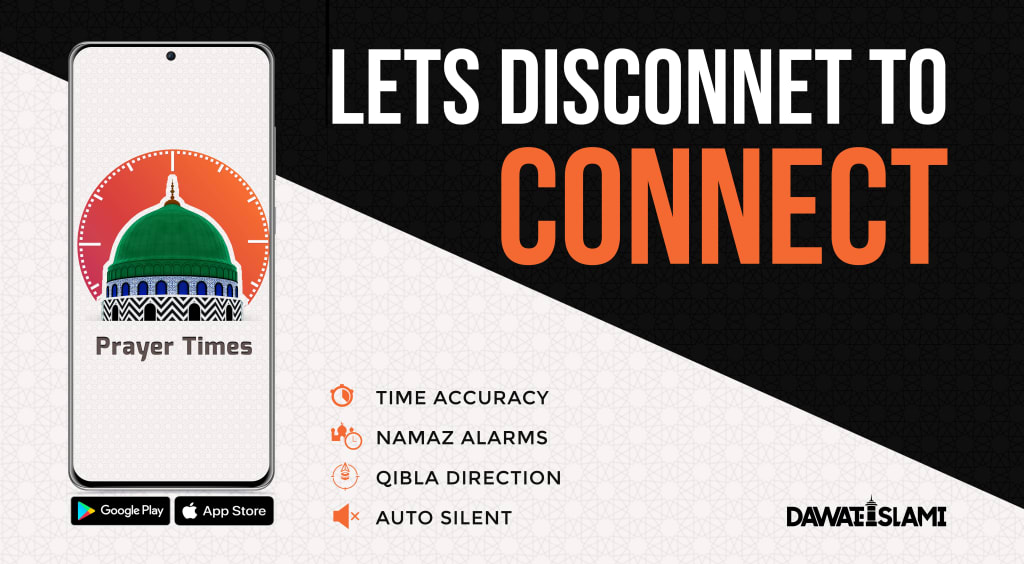
For Muslims worldwide, prayer isn’t just a routine; it’s a lifeline to the Divine, a daily reminder of purpose, and a constant invitation to pause and reset. Known as Salah, the Islamic prayer is one of the Five Pillars of Islam and is observed five times a day. More than mere acts of devotion, these prayers, along with their timings, are moments filled with profound spiritual, emotional, and even physical significance.
The Meaning and Power of Salah
Imagine starting your day with a purposeful pause, a chance to connect with something greater than yourself, and to ask for guidance, patience, and strength. For Muslims, Salah provides just that. The Muslim prayer times are a time to leave behind the world’s chaos, disconnect from daily struggles, and enter a place of calm, focus, and gratitude. Each prayer is a sequence of movements: standing, bowing, prostrating, and sitting, each performed in harmony with Quranic verses. The physical motions reflect humility, while the recitations reinforce faith and remind worshippers of their place in the universe.
At its core, Namaz time is more than physical actions and spoken words. It is seen as a cleansing of the heart and soul, where each prayer is an opportunity for Muslims to refresh their spirit, seek forgiveness, and renew their commitment to live in a way that is aligned with Islamic values. The prescribed times for Salah are carefully set to ensure regular spiritual intervals throughout the day, providing moments to break away from life’s distractions.
The Five Prayer Times and Their Meaning
The five daily prayers have to be prayed in the Qibla direction. Each one holds a unique significance and brings its own blessings. These prayer times are connected with the natural rhythm of the day, aligning with the sun’s movement. Here’s a breakdown of the five prayers, what they mean, and why they’re so important.
1. Fajr (Dawn Prayer)
Just before dawn, when the world is still and quiet, Muslims rise for the Fajr prayer. It’s a beautiful start to the day—a moment to wake up not just physically but spiritually. Fajr is symbolic of new beginnings and reminds Muslims to strive for a fresh start every day. The early morning hours are considered a time of divine mercy, and the Quran mentions that angels witness this prayer. Fajr inspires Muslims to begin their day on a positive note, grounded in faith and gratitude, ready to tackle the day ahead.
2. Dhuhr (Midday Prayer)
After the hustle and bustle of the morning, Dhuhr offers a reprieve in the middle of the day. As the sun reaches its peak, Muslims pause their activities to focus on their connection to Allah. This prayer serves as a reminder to realign intentions and seek strength to carry on through the day. It’s a reminder that, regardless of the day’s busyness, spirituality should remain central. Dhuhr is particularly significant as it provides a quiet interlude, creating balance between worldly engagements and spiritual duties.
3. Asr (Afternoon Prayer)
Performed in the late afternoon, Asr Namaz time is a moment to reflect on the day’s work so far and to recharge before evening approaches. This prayer symbolizes the passage of time and the importance of using every moment wisely. It’s also a reminder of the fleeting nature of life—just as the sun dips closer to the horizon, human life moves steadily towards its end. Asr encourages Muslims to reflect on their actions and make the most of what remains of the day.
4. Maghrib (Sunset Prayer)
At sunset, the Maghrib prayer is offered as day transitions into night. This time of day, when the light fades and the world begins to rest, is a peaceful moment of reflection. Maghrib is a time to thank Allah for the day’s blessings and to seek forgiveness for any shortcomings. The setting sun is a reminder of the cycle of life and the promise of a new day to come. For many, this prayer feels like a conclusion to the day’s efforts, a way to wind down, and prepare for the final hours of the day.
5. Isha (Night Prayer)
The day’s final prayer, Isha, is performed after twilight. It’s a moment to end the day with reflection and gratitude, a last connection with the Divine before sleep. Isha carries a sense of calm, symbolizing the transition from worldly concerns to rest and renewal. It reminds Muslims to end their day on a spiritual note, seeking protection for the night and asking for strength for the day ahead. For those who wake for extra night prayers (Tahajjud), Isha becomes an invitation to delve deeper into worship, even as the world sleeps.
Why the Islamic Prayer Times Matter
These five daily prayers aren’t simply about spiritual discipline; they represent a way to live mindfully. The structured times create natural breaks in the day, encouraging reflection and centering around a life of worship. By observing these times, Muslims cultivate a lifestyle that values both productivity and spirituality.
Islamic prayer times also link Muslims globally, creating a synchronized act of faith shared across cultures and languages. No matter where a Muslim is—whether alone in a quiet room or in a crowded mosque—they are united with millions of others in the same act of worship.
In Conclusion
In Islam, prayer is not just a duty; it’s a profound, purposeful reminder to pause, reflect, and recharge. The five daily Muslim prayer times shape a Muslim’s day, setting a rhythm of gratitude, discipline, and purpose. Each prayer time, aligned with nature’s cycles, brings its own blessings and serves as an anchor to faith. For Muslims, prayer is more than words and motions; it’s a journey back to the heart of what truly matters, guiding them toward a life of peace, patience, and gratitude.
About the Creator
Keep reading
More stories from Kamran Shoukat and writers in Longevity and other communities.
Reading Quran with Tafsir and How to Become Familiar with the Quran?
The Quran is the central religious text of Islam, serving as a guide for Muslims in all aspects of life. However, the beauty and depth of the Quran extend beyond simply reading its verses in Arabic. To truly grasp the divine messages and apply them in our daily lives, understanding the Quran with Tafsir (interpretation) is essential. Tafsir provides context, explanations, and insights that help unlock the profound meanings behind the words. This blog post explores the importance of reading the Quran with Tafsir and offers practical steps to become familiar with the Quran explanations.
By Kamran Shoukatabout a year ago in Longevity
Day 4 of Quitting
If this is how sobriety feels, maybe it’s better to go through life a little buzzed… this, along with other hits like, I want to kill myself, I wish I was dead, and I’m going to throw myself off a bridge have been the only thoughts on rotation these past few days. I promise myself that if, in a month, I still feel like this (‘this’ meaning despondent, full of rage, and simultaneously numb) I can go back to smoking. Until mid-February though? Nicotine is off the table.
By sleepy drafts12 days ago in Longevity
Radiology Information System Market Size & Forecast 2025–2033
The global Radiology Information System (RIS) market is entering a decisive growth phase as healthcare providers worldwide accelerate their digital transformation agendas. According to Renub Research, the market is projected to expand from USD 1.07 billion in 2024 to USD 2.17 billion by 2033, reflecting a strong compound annual growth rate (CAGR) of 8.14% from 2025 to 2033.
By Renub Research5 days ago in Longevity


Comments
There are no comments for this story
Be the first to respond and start the conversation.