
Intravascular Ultrasound: An Overview
Steve Ferrara on an overview of intravascular ultrasounds.


Intravascular ultrasound is a procedure used to examine a patient’s blood vessels. The procedure has various uses, ranging from identifying problem areas in blood vessels, such as narrow or blocked vessels, to assisting in other procedures, such as vascular stenting. Intravascular ultrasound is a safe procedure, and it does not require the use of radiation like x-ray imaging does.
HOW DOES INTRAVASCULAR ULTRASOUND WORK?
Intravascular ultrasound is performed using an IVUS catheter with an ultrasonic transducer. The catheter is inserted into the blood vessel being examined. The transducer attached to the catheter emits sound waves that bounce off the blood vessels’ walls and back to the transducer. The sound waves that return to the transducer can then be used to generate an image of the blood vessels. The process is similar to how a bat or a dolphin “sees” with echolocation.
WHAT TO EXPECT DURING AN INTRAVASCULAR ULTRASOUND
Although intravascular ultrasound does involve an incision in the skin and an object being inserted into a blood vessel, the procedure should not be very painful or uncomfortable, as the area will be numbed with an anesthetic. The healthcare provider will make a small incision on a sterilized area of the skin. They will then put a sheath into the blood vessel and insert the catheter into the sheath. Once the procedure is done, the healthcare provider will remove the catheter from the blood vessel and stop any bleeding with pressure and, in some cases, a closure device that will seal the hole in the blood vessel.
WHAT TO EXPECT AFTER AN INTRAVASCULAR ULTRASOUND
It is normal for healthcare providers to ask patients to lie down with pressure on the area for several hours to prevent bleeding. The healthcare provider should examine the area regularly during this time to ensure that the patient’s heart rate and blood pressure are normal and to check for bleeding or swelling. The recovery time after an intravascular ultrasound depends on what additional procedures, if any, were performed. Vascular stenting, for example, may require a patient to stay in the hospital for up to a day. Rest is highly recommended for a full day after the procedure. If a patient notices bleeding at the insertion site, they should contact their doctor, lie down, and put pressure on the area.
About Steve Ferrara
Steve Ferrara, MD, FSIR, FACR, is known to everyone who works with him as being a man who believes in the science of things. As someone who is double board-certified in Diagnostic, Vascular, and Interventional Radiology, Ferrara is most passionate about treating and preventing complex diseases. He currently works for the Department of Defense as the Deputy Director for Clinical Operations and Chief of Clinical Optimization for the National Capital Region. The place that he works is most well known for being the military's largest healthcare Market; it includes 7 of the major facilities, including renowned Walter Reed National Military Medical Center, a hospital that cares for over 500 thousand beneficiaries and has an annual budget of over $1.6 billion. Steve is in charge of maintaining the top clinical Interventional Radiology practice at Walter Reed, and is also a Clinical Professor of Radiology at the Uniformed Services University of the Health Sciences.
Not only does Steve Ferrara have an incredibly impressive medical career, but he also has a very impressive and distinguished military career. During his tenure in the Navy, Steve served as a Captain. He also became a Chief Medical Officer tasked with working with a world-class health system of over 63,000 medical personnel. During his 25-year career in the Navy, he's had multiple deployments with the Army, Navy and Marine Corps. Some of these deployments included combat, humanitarian, and disaster relief missions.
To learn more about Steve Ferrara, be sure to check out his websites!
About the Creator
Steve Ferrara
Steve Ferrara is a Virginia based doctor who is incredibly passionate about giving the gift of health and knowledge to others. To learn more about him, be sure to visit his websites!
Keep reading
More stories from Steve Ferrara and writers in Longevity and other communities.
CT Scan: An Overview | Steve Ferrara
A CT scan is a diagnostic medical test that uses a combination of X-rays and computerized images to examine body structures. CT scans are commonly used as a noninvasive way to examine the chest and abdomen, including the lungs, heart, and nearby organs. Radiologists can conduct CT Scans on patients in ambulatory care settings and radiology centers.
By Steve Ferrara3 years ago in Longevity
Day 4 of Quitting
If this is how sobriety feels, maybe it’s better to go through life a little buzzed… this, along with other hits like, I want to kill myself, I wish I was dead, and I’m going to throw myself off a bridge have been the only thoughts on rotation these past few days. I promise myself that if, in a month, I still feel like this (‘this’ meaning despondent, full of rage, and simultaneously numb) I can go back to smoking. Until mid-February though? Nicotine is off the table.
By sleepy drafts18 days ago in Longevity
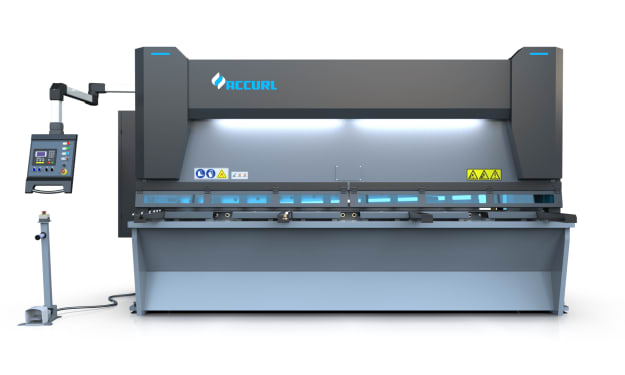
Is a Guillotine Machine Right for Your Business? Key Factors to Consider
Choosing the right cutting equipment is a critical decision for any fabrication, engineering, or manufacturing business. Whether you’re handling occasional sheet metal work or running high-volume production, the tools you use directly affect accuracy, efficiency, and profitability. One option many businesses consider is a guillotine machine, but is it the right fit for your operation?
By Axe Status6 days ago in Longevity



Comments
There are no comments for this story
Be the first to respond and start the conversation.