
How to improve sleep with your nutrition
A guide to nail your diet to have a restful sleep

Did you know that your body has an internal clock, termed the ‘Circadian Rhythm’? This system helps to orchestrate multiple bodily functions, such as your sleep-wake cycle. During bedtime the body transitions into sleep mode by releasing the sleep hormone, melatonin. This transition is called dim-light melatonin onset (DLMO), and can be affected by various factors, such as your dietary choices preceding bedtime. ⠀
So, how can we promote DMLO and promote a restful sleep?⠀
BALANCE. Research has demonstrated that ‘poor’ sleepers (>7 hours/night) consume diets containing increased saturated fat and added sugars, and inadequate levels of fibre, protein and omega-3 fatty acids. Try to limit saturated fats and added sugars and aim to consume a balanced diet with a variety of foods to achieve the fibre, protein and omega-3 requirements. A Mediterranean-style diet has been associated with improved sleep duration and quality, with reduced markers of insomnia. ⠀
CARBOHYDRATES. Carbs with a high glycaemic index (meaning they spike your blood sugar quickly), like white bread, white pasta and sweets, can promote sleepiness BUT can lead to sleep disruption throughout the night. Opt for low glycaemic carbs instead, such as wholegrains, non-starchy vegetables and legumes. ⠀
MAGNESIUM. Magnesium works to assist the parasympathetic nervous system in relaxing the muscles. Magnesium also interacts with melatonin and GABA, a neurotransmitter that calms the body. Increase your consumption of Magnesium-rich foods, such as spinach, nuts and wholemeal bread. Taking a low dose of Magnesium before bedtime may also assist the transition into DMLO. ⠀
DINNER TIME. You’ve probably heard it before, but there is emerging evidence that eating directly before bed may have a negative impact on your body. Your body may be stuck in digestion mode when it needs rest mode to sleep, and this can lead to indigestion and acid reflux. Try to eat at least 30-60 minutes before getting into bed. ⠀
MELATONIN PRECURSORS. Foods like turkey, milk, peanuts and cheese contain the amino acid l-tryptophan, which boosts the secretion of serotonin, a neurotransmitter that can synthesise melatonin. These foods can help to relax the body and promote a calm and restful sleep. It’s best to consume l-tryptophan rich foods 2-3 hours before bedtime. ⠀
B-VITAMINS. Adequate B-Vitamin intake, in particular B6, can stimulate serotonin production, therefore easing anxiety and promoting a calming effect. Try to increase your consumption of foods rich in Vitamin B6, for example bananas, eggs and chickpeas. ⠀
EAT REGULARLY AND ENOUGH. An adequate nutritional intake supports the brain and its ability to produce melatonin, subsequently setting your body up well for sleep mode. If you’re finding that your stomach is rumbling at night calling out for more food, it may be that you aren’t eating enough. In addition, irregular eating patterns can have a negative impact on your body’s ability to transfer into DMLO. Try to eat at consistent times and don’t go to bed hungry!
REDUCE CAFFEINE. I think this one is a given! Caffeine is a stimulant and can stay in your system for up to 12 hours, effectively disrupting your natural body clock. Try to stick to caffeine in the mornings and avoid drinking it after 12pm. ⠀
REDUCE ALCOHOL. Although alcohol is a depressant and can make you at first feel drowsy, consumption before bed is linked to a lighter sleep. This may leave you feeling less rested. Try to limit your intake and drink in moderation when you do. ⠀
HERBAL SUPPLEMENTS. If you are really struggling to sleep, I would try these as a last resort. Valerian, l-theanine, lemon balm and warm drinks such as chamomile tea can all promote sleepiness. Always consult a medical professional before trying any supplements.
Of course, this is not an exhaustive list and there are many more tips and tricks out there to improve your sleep hygiene. Ultimately, having a good old bedtime routine that supports your circadian rhythm will help you the most! What helps you improve your sleep? 💤
About the Creator
The Food and Mood Nutritionist
A Qualified Nutritionist who has suffered her own tribulations with mental health and food. Sharing my stories and my knowledge to help others.
Instagram: @thefoodandmoodnutritionist
Keep reading
More stories from writers in Longevity and other communities.
Day 4 of Quitting
If this is how sobriety feels, maybe it’s better to go through life a little buzzed… this, along with other hits like, I want to kill myself, I wish I was dead, and I’m going to throw myself off a bridge have been the only thoughts on rotation these past few days. I promise myself that if, in a month, I still feel like this (‘this’ meaning despondent, full of rage, and simultaneously numb) I can go back to smoking. Until mid-February though? Nicotine is off the table.
By sleepy drafts9 days ago in Longevity
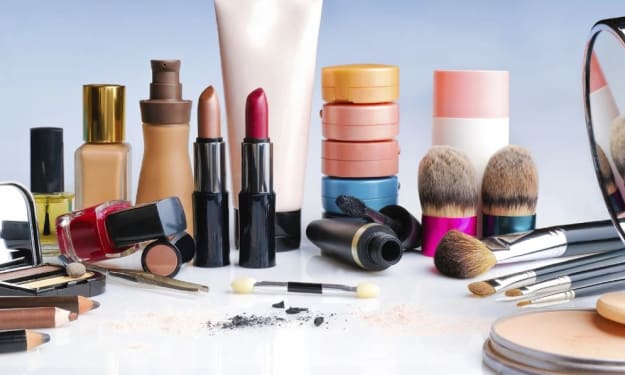
Inside the Global Cosmetics Market: Trends Shaping the Future of Beauty
Cosmetics Market Overview The global cosmetics market is a vibrant and consumer-driven industry that reflects changing lifestyles, beauty standards, and wellness priorities. Encompassing skincare, haircare, makeup, fragrances, and personal grooming products, the market continues to expand as consumers place greater emphasis on self-expression, confidence, and overall well-being. Social media, influencer culture, and digital-first brands have reshaped how beauty products are discovered and purchased, making innovation and authenticity essential for success in this competitive landscape.
By James Smithabout 5 hours ago in Longevity



Comments
There are no comments for this story
Be the first to respond and start the conversation.