
How Long Does It Take To Lose Belly Fat By Running?
How Long Does It Take To Lose Belly Fat By Running?

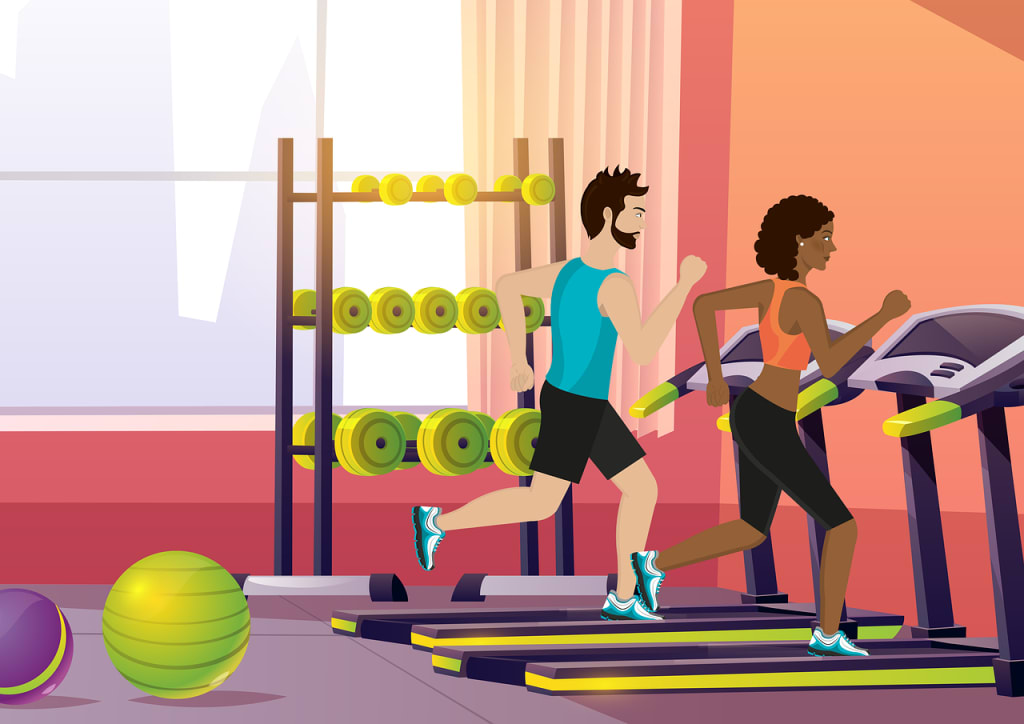
Are you lacing up your running shoes in hopes of losing that stubborn belly fat? Running is often considered one of the best ways to burn calories and lose weight, but when it comes to shedding belly fat specifically, there are a few things to keep in mind. Belly fat, particularly the deep visceral fat that wraps around your organs, can be harder to lose compared to other types of body fat. However, running consistently, combined with a balanced diet and strength training, can help you slim down your midsection over time.
In this blog post, we'll dive into how long it might take to lose belly fat by running, what factors influence the timeline, and tips to maximize your fat-burning potential.
What Kind of Belly Fat Are We Talking About?
Before we jump into timelines, it’s important to understand the two types of belly fat:
- Subcutaneous Fat: This is the fat that sits just under the skin. It’s the pinchable fat that most people notice when they talk about belly fat. Losing this type of fat can improve your appearance and overall health.
- Visceral Fat : This is the more harmful fat that surrounds your organs, like your liver and intestines. Having too much visceral fat can lead to serious health conditions like heart disease, type 2 diabetes, and even certain cancers. Running can be effective in reducing both types of fat, but visceral fat responds more quickly to exercise, which is a plus if you're focusing on your overall health.
Running as a Tool for Burning Belly Fat
Running is a form of aerobic exercise that not only burns calories but also triggers fat burning. When you run, your body taps into stored energy (fat), especially if you’re running at a moderate pace for longer durations. High-intensity interval training (HIIT) can also be effective because it pushes your body to use fat as fuel during recovery.
However, it’s important to note that you can’t "spot reduce" fat, meaning you can’t just lose fat from one area of your body by exercising that part more. Running will help you lose fat from all over your body, including your belly.

The amount of calories you burn while running depends on several factors like your weight, speed, and the distance you run. On average:
- A person weighing 150 pounds can burn approximately 400-500 calories per hour running at a moderate pace.
- A person weighing 180 pounds can burn 500-600 calories per hour running at the same pace.
Now, to lose one pound of body fat, you need to create a 3,500-calorie deficit. So, if you burn an extra 500 calories per day by running, you could lose approximately one pound of fat per week—assuming you’re maintaining a calorie deficit through your diet as well.
How Long Until You See Results?
The big question is: how long will it take to see results? The answer varies from person to person. Factors that can affect the timeline include:
- Starting Body Composition : If you have more weight to lose, you may see results more quickly in the beginning. Someone with higher levels of body fat will likely notice fat loss sooner than someone who is already lean.
- Diet : Running alone won't make a huge difference if your diet isn’t aligned with your goals. If you continue to consume more calories than your body needs, you’ll struggle to lose fat. A balanced diet, rich in whole foods, lean proteins, healthy fats, and fiber, is key to burning fat efficiently.
- Exercise Routine : If you're running 2-3 times a week, it will take longer to lose belly fat than if you're running consistently 4-5 times per week or combining running with other forms of exercise like strength training.
On average, it could take a few weeks to a few months of consistent running, coupled with a healthy diet, to notice a visible reduction in belly fat. The important thing is to stay consistent and patient fat loss is a gradual process.

Factors That Influence How Long It Takes to Lose Belly Fat
- Consistency : Sticking to a running routine is crucial. If you only run once a week, progress will be slower. Aiming for at least 3-5 days of moderate to vigorous exercise will speed things up.
- Intensity : Incorporating high-intensity workouts like sprints or HIIT sessions into your routine can help burn more fat in a shorter amount of time. These intense bursts of activity raise your heart rate and increase your metabolic rate, which means you’ll burn more calories even after your workout is over.
- Diet : As mentioned earlier, a calorie deficit is key. Focus on eating lean proteins, vegetables, and whole grains to fuel your body for running without overeating.
- Sleep and Stress : Both sleep and stress can affect your body’s ability to lose fat. Lack of sleep can increase cravings and make you less likely to stick to your running routine. Stress can raise cortisol levels, which has been linked to increased abdominal fat.
- Age and Genetics : Older adults may find it harder to lose belly fat compared to younger people due to slower metabolism and hormonal changes. Genetics also play a role in where your body stores and loses fat.
Running for Fat Loss: Tips to Maximize Your Results
- Increase Your Running Distance Gradually : If you’re new to running, don’t start with an intense schedule. Gradually increase your mileage to avoid injury and burnout.
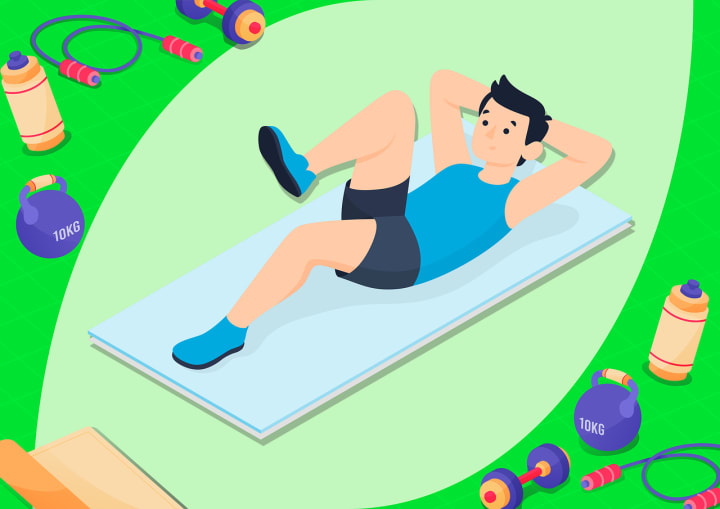
- Add Strength Training : Incorporating strength training into your routine can help build muscle, which boosts your metabolism and helps burn fat faster. Focus on compound movements like squats, lunges, and deadlifts to work multiple muscle groups at once.
- Try Fasted Running : Some runners find that running on an empty stomach (before breakfast) helps burn fat more efficiently. When your body doesn’t have immediate carbs to use for energy, it may turn to stored fat instead. However, this isn’t for everyone, so listen to your body.
- Stay Hydrated : Dehydration can slow down your metabolism and make it harder to lose fat. Make sure you’re drinking plenty of water throughout the day, especially if you’re running in hot or humid conditions.
- Focus on Overall Health : Instead of getting hung up on losing belly fat, focus on your overall health and fitness. Running improves cardiovascular health, boosts your mood, and strengthens muscles, all of which are benefits beyond fat loss.
How to Measure Progress?
Instead of relying on the scale, which doesn’t always reflect fat loss accurately, consider other ways to track your progress:
- Waist Measurement : Measure your waist circumference every few weeks to see if you’re losing inches. This is often a better indicator of belly fat loss than weight alone.
- Progress Photos : Take before and after photos to visually track your progress.
- Body Fat Percentage : If possible, get a body fat analysis to track changes in fat mass versus muscle mass.
Best Advice :
Looking to speed up your belly fat loss while running?
Running is a powerful tool for burning fat, but pairing it with the right supplement can help you get results faster.
This weight loss supplement is specially formulated to boost metabolism, enhance fat burning, and give you the energy needed to push through every run. Why wait months to see results when you can accelerate your progress?
Fuel your runs, burn more fat, and achieve your fitness goals faster!
*** Click here to try the supplement now and get on the fast track to a leaner, stronger you!***
Conclusion
Running is a fantastic way to burn calories and improve your fitness, but when it comes to losing belly fat, consistency and patience are key. Depending on your starting point, diet, and exercise routine, it could take anywhere from a few weeks to a few months to see significant changes. Combine running with a balanced diet and strength training, and you’ll be well on your way to achieving your fitness goals. Remember, the journey is just as important as the destination, so enjoy the process and celebrate the small wins along the way!
FAQs
1. Can running alone help me lose belly fat?
Running can be an effective way to lose belly fat, but it’s best when combined with a calorie-controlled diet and strength training. While running burns calories, diet plays a critical role in creating the calorie deficit needed for fat loss.
2. How often should I run to lose belly fat?
For best results, aim to run at least 3-5 times a week. Consistency is key, so pairing running with strength training and a balanced diet will speed up the process.
3. Can I target belly fat specifically with running?
You can’t target fat loss from one specific area through exercise. Running will help reduce overall body fat, which will eventually result in the loss of belly fat as well.
4. How long should my runs be to see results?
For fat loss, aim for 30-60 minutes of running per session, depending on your fitness level. You can combine shorter high-intensity runs with longer, steady-paced runs to maximize fat burn.
5. What kind of diet should I follow while running to lose belly fat?
Focus on a balanced diet that includes lean proteins, complex carbs, healthy fats, and plenty of vegetables. Avoid processed foods and sugary drinks to prevent excess calorie intake.
6. How long does it typically take to lose noticeable belly fat by running?
Depending on factors like diet, intensity, and frequency of running, you could start seeing noticeable results in your belly fat within 6-12 weeks.
7. Does the speed of running affect fat loss?
Yes, running at a higher intensity (such as sprinting or intervals) can burn more calories in a shorter time, which may help with fat loss. However, a combination of moderate-paced and high-intensity runs is often most effective for fat loss.
8. What else can I do besides running to lose belly fat faster?
Adding strength training, improving your diet, managing stress, and getting enough sleep are all important factors in losing belly fat effectively.
9. Can running on a treadmill help me lose belly fat?
Absolutely! Running on a treadmill is just as effective as running outdoors when it comes to shedding belly fat. The real key is sticking to your routine, increasing the intensity over time, and pairing your workouts with a balanced diet. A great thing about treadmills is that you can control both the speed and incline, which helps burn even more calories.
10. Does running burn more fat than walking?
Yes, running does burn more calories than walking, which makes it more effective for fat loss in a shorter time. But don’t write off walking! It’s still a fantastic way to lose weight, especially when combined with healthy eating and regular physical activity.
11. Will running every day help me lose belly fat faster?
Running daily can speed up your fat loss, but be cautious. Your body needs time to rest and recover, so overdoing it could lead to injuries or exhaustion. A smarter approach would be to have a balanced routine that includes rest days and maybe a bit of cross-training.
12. Can running get rid of love handles?
Running is excellent for overall fat loss, and yes, that includes love handles! While you can’t specifically target fat in just one area, running will help reduce your total body fat, which will eventually slim down your hips and waist.
13. Is it better to run in the morning or evening to burn belly fat?
It really depends on when you feel your best! Some folks prefer running in the morning, and there’s a bit of research suggesting that running before breakfast (fasted cardio) may burn more fat. But ultimately, the best time to run is whenever you feel the most energized and able to stick to your routine.
14. How do I avoid losing muscle while running to lose belly fat?
The best way to keep your muscle while losing fat is to mix in some strength training with your running. Try to lift weights or do bodyweight exercises a few times a week. And don’t forget to eat enough protein that helps your muscles recover after workouts.
15. Will running tighten loose belly skin after weight loss?
Running alone won’t really tighten up loose skin. But if you add some strength training into your routine, it can help build muscle and improve the appearance of your skin. Also, staying hydrated and eating foods rich in collagen can support your skin’s elasticity.
16. Is it better to run faster or longer to lose belly fat?
Both approaches have their perks. Running longer burns more overall calories, while running faster like in short bursts or sprints gets your heart rate up and torches fat quickly. A combination of both is the most effective way to lose fat and improve fitness.
17. Does running slow down metabolism after losing fat?
Nope, running doesn’t slow down your metabolism. In fact, regular running can help keep your metabolism revved up, so you’re burning more calories even at rest. But be careful if you drastically cut calories while running a lot, that can slow down your metabolism over time.
18. Can jogging instead of running help me lose belly fat?
Yes, jogging can definitely help! It might take a bit longer to see results compared to high-intensity running, but if you’re consistent, you’ll still burn calories and lose fat. Just remember that consistency and a healthy diet are the keys.
19. Will I gain belly fat if I stop running?
If you stop running and start eating more than you burn, you could regain belly fat over time. To avoid this, keep an eye on your diet and find other ways to stay active, even if you’re not running as much.
20. How can I stay motivated to keep running for fat loss?
Set small, realistic goals for yourself and track your progress. It can be super motivating to see how far you’ve come! Also, running with a buddy or joining a local running group can keep things fun. If you're the competitive type, sign up for a race. And don’t forget to mix things up change your routes or try new challenges to keep it interesting.
***This post may contain affiliate links, which means I may earn a commission if you make a purchase through these links at no extra cost to you.
About the Creator
coti limps
I am a writer of articles in various niches and in several languages. I have more than 4 years of experience in creating articles.
Keep reading
More stories from coti limps and writers in Longevity and other communities.
If i Burn 400 Calories a Day, How Much Weight Will i Lose In a Month?
Weight loss is one of those topics everyone seems to have an opinion about. Whether it’s the latest diet craze, exercise routines, or calorie counting strategies, the advice can be overwhelming. But let’s strip it back to something simpler. Let’s say you burn 400 calories a day how much weight could you realistically expect to lose in a month?
By coti limpsabout a year ago in Longevity
Beyond Exhaustion: What Happens to Your Body and Brain After 72 Hours Without Sleep?
We've all experienced the grogginess of a poor night's sleep or the heavy eyelids that follow an all-nighter. But what happens when you push the human body to its absolute limits? Staying awake for 72 hours—three full days and nights—is a severe shock to your system. It shifts from a simple matter of feeling tired to a profound physical and psychological crisis. Here is a chronological breakdown of what happens to your mind and body when you stop sleeping.
By Mohammad Hamid4 days ago in Longevity
How to Whiten Teeth Naturally: What Actually Works (and What to Avoid)
A bright smile has always been associated with confidence. Whether you’re leading a boardroom meeting or just laughing at a joke with friends, your teeth are the first thing people notice. But over time, your teeth start losing their natural brightness. The daily cup of chai or coffee, colourful Indian spices, smoking, or simply aging can slowly leave behind stains. How to whiten teeth naturally? In many Indian houses, home remedies, or ‘Nuskhas‘, are passed down like heirlooms. You may hear, ‘Hey, try brushing with baking soda’ or ‘rub a lemon on your teeth.’ Social media is full of such “natural whitening hacks”, promising quick results without a visit to the dentist. So, do these remedies actually work? And more importantly, are they safe for your teeth?
By Good health to everyone3 days ago in Longevity


Comments
There are no comments for this story
Be the first to respond and start the conversation.