
How Do I Remove Contact Lenses Safely and Effectively?
Contact Lenses Safely and Effectively
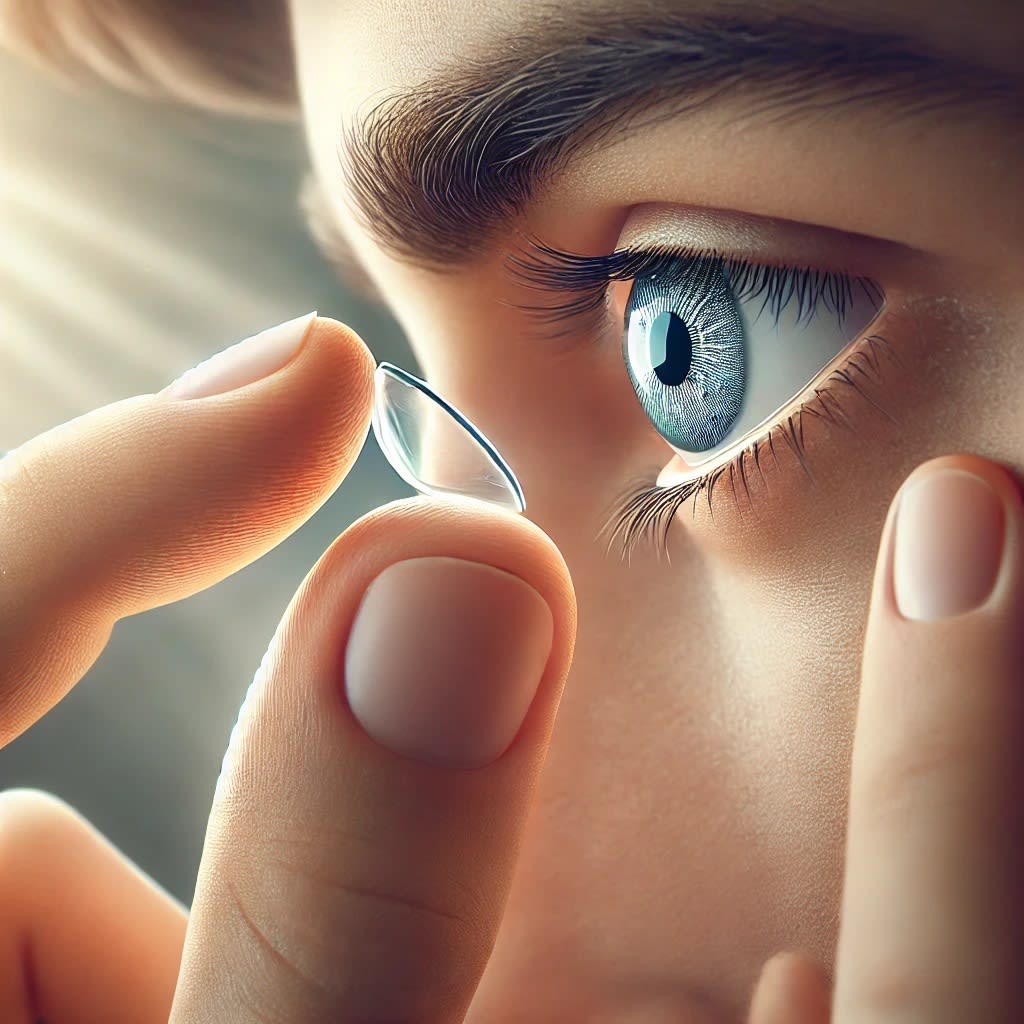
If you’re new to wearing contact lenses or need some guidance on the best way to remove them, you’re not alone. It’s essential to understand the right method to remove contact lenses to ensure both your eye health and comfort. Removing your lenses properly will help you avoid damage to your lenses, minimize discomfort, and protect your eyes from potential infections. In this guide, we’ll walk you through the best practices for safely removing your contact lenses.
Why Is Proper Removal Important?
Contact lenses are a great alternative to eyeglasses, offering a wider field of vision and a more natural appearance. However, improper handling, whether it’s insertion or removal, can cause significant problems. Your lenses are in direct contact with the delicate surface of your eye, so it’s crucial to handle them with care to prevent any risk of eye infections, scratches, or irritation. Incorrect removal can also lead to discomfort or even accidental damage to the lenses themselves, which could lead to expensive replacements.
Step-by-Step Guide to Remove Your Contact Lenses
Let’s go over a simple, effective method to remove your contact lenses safely.
1. Wash Your Hands Thoroughly
Before touching your lenses or your eyes, the first and most important step is to clean your hands. Wash them with soap and water, scrubbing all areas of your hands and wrists. Use a towel to dry your hands or, even better, use a lint-free paper towel to ensure there are no fibers left behind that could irritate your eyes. Never remove your lenses with dirty hands, as this can transfer harmful bacteria to your eyes and lead to infections.
2. Prepare Your Lens Case
It’s important to store your lenses properly after removal. Make sure you have a clean, dry lens case and fresh contact lens solution ready. Never reuse old solution as it can contain bacteria. Fill the case with fresh solution to ensure that your lenses are properly disinfected and hydrated until you need them again.
3. Begin with One Eye at a Time
Start by focusing on one eye at a time. You can either remove the right or the left lens first, depending on your preference. Many people find it easier to remove their right lens first, but it doesn’t matter as long as you don’t mix them up.
4. Look Up and Gently Pull Down Your Lower Eyelid
Using the middle finger of your non-dominant hand, pull down your lower eyelid. This will create space to help you remove the lens more easily. Your dominant hand will be used to remove the contact lens.
5. Pinch the Lens to Remove It
With your dominant hand, use your thumb and index finger to gently pinch the lens. If you’re wearing soft contact lenses, you should feel the lens between your fingers and can carefully pinch it off the eye. For rigid gas-permeable lenses, you may need to use your fingers to gently press on the sides of the lens to release it.
6. Place the Lens in the Storage Case
Once the lens is successfully removed, immediately place it in the lens case filled with fresh solution. If you have a colored lens, make sure you’re storing them in the right case to prevent confusion. If you wear hard lenses, be sure to avoid using a case that could allow them to be damaged.
7. Repeat the Process for the Other Eye
Once you’ve removed one lens, repeat the same process for the other eye. Be sure to handle each lens separately and carefully to avoid mixing them up.
Tips for Safe Contact Lens Removal
Use Contact Lens Solution: Always use the recommended contact lens solution to store your lenses. Do not use water or saliva to rinse or store your lenses. This can introduce harmful bacteria and increase the risk of eye infections.
Don’t Rush the Process: Rushing through the lens removal process can lead to mistakes. Take your time and ensure you handle your lenses with care.
Avoid Touching the Eye’s Surface: When removing your contact lens, try not to touch the surface of your eye. Your fingers should only touch the lens itself, not the eye, to minimize irritation and the risk of infection.
Be Aware of Lens Types: Different types of lenses (soft, hard, extended wear, daily wear, etc.) may require different care routines. Consult with your optometrist or optician for advice specific to your lens type.
If a Lens Is Stuck: Sometimes, contact lenses can get stuck to the eye due to dryness or improper fitting. If this happens, don’t panic. Try blinking a few times to moisten the lens or use rewetting drops. If you still can’t remove it, visit your optometrist for help.
What to Do If You Experience Discomfort While Removing Lenses?
If you experience discomfort when removing your contact lenses, it could be due to several reasons, including dryness, irritation, or an incorrect fit. If your eye feels dry, consider using a lubricating eye drop before removing the lens. If the lens feels stuck, try moistening it with saline or rewetting drops. If the discomfort persists, it’s best to consult with your eye care professional for further assistance.
When Should You Replace Your Contact Lenses?
Even with proper cleaning and care, contact lenses should be replaced regularly. Disposable lenses typically come in daily, bi-weekly, or monthly options. Be sure to follow the recommended timeline for replacement and consult your optometrist if you are unsure about your lens replacement schedule. Sticking to the recommended replacement schedule helps maintain eye health and reduces the risk of infection.
Removing your contact lenses may seem like a simple task, but doing it correctly is essential for maintaining good eye health. By following these steps and practicing proper hygiene, you can keep your eyes safe and your lenses in good condition. Always listen to your eyes, and if you feel any discomfort or experience problems, consult with an eye care professional. With proper care and attention, contact lenses can provide a comfortable and clear vision solution for many years.
For more information about contact lens care, or if you’re experiencing any issues, visit ParhamOptical.ca or schedule an eye exam with your local optometrist.
About the Creator
Keep reading
More stories from Parham Optical and writers in Longevity and other communities.
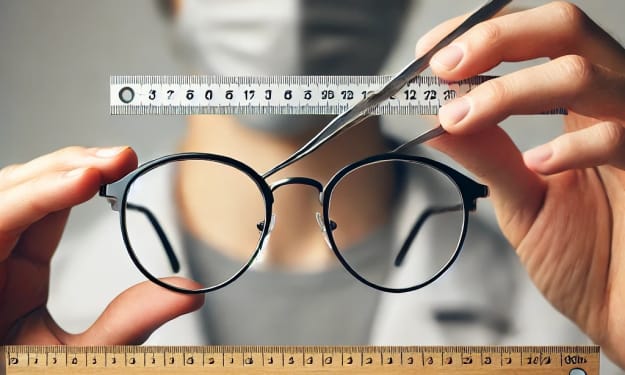
How Do You Measure Glasses Frame Size?
Finding the perfect pair of glasses is about more than just style—it’s also about fit. If your glasses are too tight, they may cause discomfort, leave red marks on your nose, or cause headaches. If they are too loose, they may slide down your nose or feel unstable. Whether you're looking for polarized sunglasses, prescription sunglasses, or everyday eyewear, knowing how to measure your glasses frame size ensures comfort, functionality, and optimal vision.
By Parham Opticalabout a year ago in Longevity



Comments
There are no comments for this story
Be the first to respond and start the conversation.