
How Digital Loneliness Is Becoming the Silent Mental Health Crisis
Why feeling alone while being constantly connected is hurting us—and what we can do about it

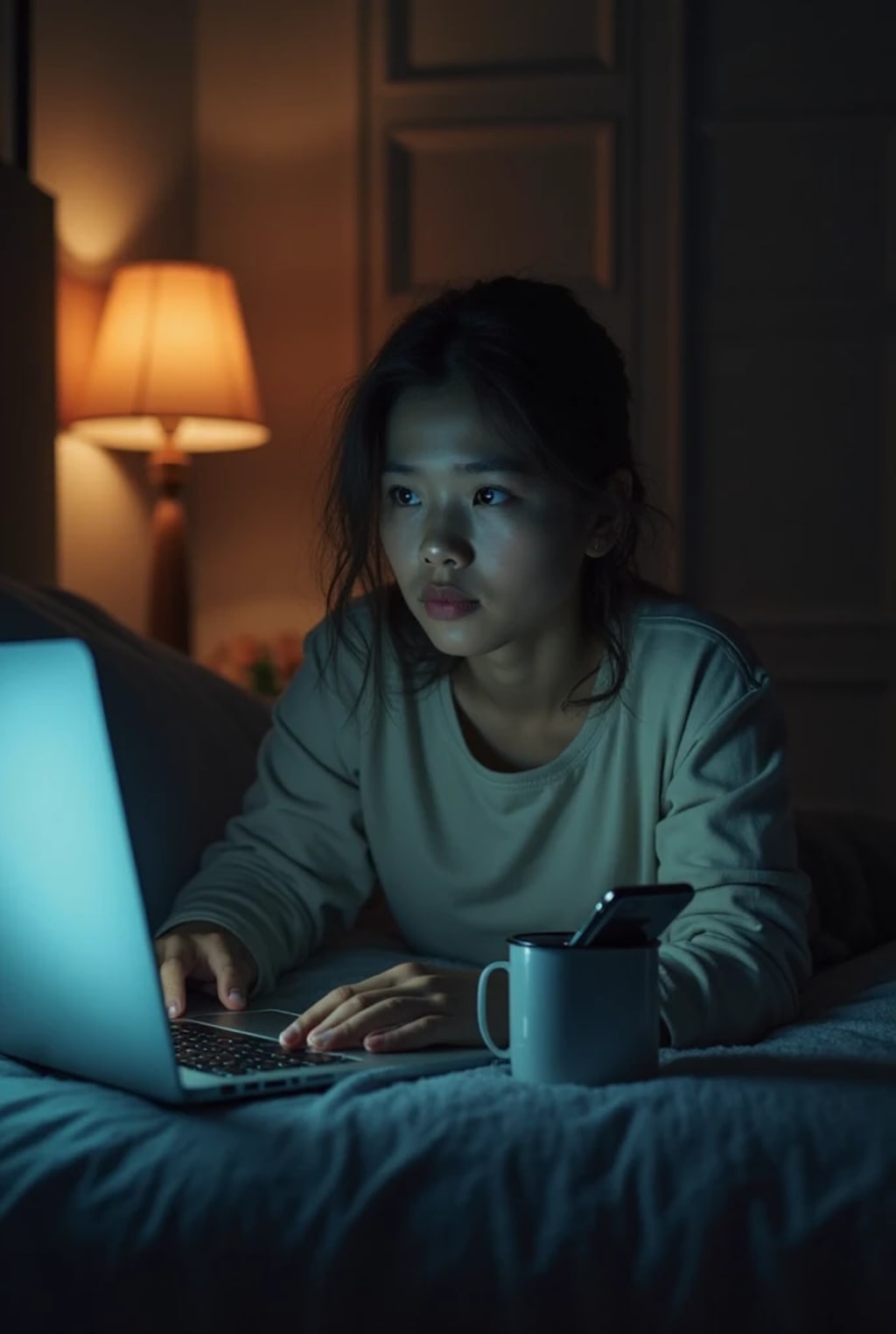
It’s 9 p.m. You’ve replied to texts, checked your DMs, liked a few posts, maybe even shared a meme or two. Technically, you’ve interacted with ten people in the last hour. But something feels off. You close your phone… and there it is.
That dull ache. That strange emptiness. That feeling of being surrounded by people online—yet completely alone inside.
That’s digital loneliness.
And even if you’ve never heard the term before, chances are, you’ve felt it.
The Paradox of Constant Connection
We live in the most connected time in human history. You can FaceTime a friend across the world, meet a stranger on an app, watch someone’s life unfold in real time. Yet, studies show we’re reporting higher rates of loneliness than ever before.
It doesn’t quite make sense at first. How can we feel lonely with hundreds of contacts in our phones?
Because connection isn't the same as closeness. Scrolling through someone’s story isn’t the same as sitting across from them and hearing about their day. Double-tapping a photo doesn’t replace hearing “I see you. I understand. I care.”
Loneliness in the Age of Likes
Here’s the thing: social media was never built to make us feel deeply known. It was designed for engagement, not intimacy. For many of us, it’s become our main form of socializing—but it's a shallow substitute for real emotional connection.
- It can leave us feeling:
- Like everyone has plans except us
- Like we’re missing out on real life
- Like we have to perform happiness, even when we’re struggling
- Like no one would notice if we disappeared for a while
These feelings creep in slowly. At first, we brush them off. But over time, they can weigh heavy on our sense of worth.
I know because I’ve been there.
My Own Brush With Digital Loneliness
There was a stretch of time last year when I felt like I was surrounded by people—and still felt invisible. I was posting regularly, getting likes, replying to group chats. But I couldn’t remember the last time someone had really asked me how I was doing—or the last time I told the truth when they did.
It got to the point where I started dreading the sound of a notification. Not because I didn’t want to connect, but because I didn’t have the energy to fake it anymore.
It took me a while to admit I was lonely. I felt ashamed, like it meant something was wrong with me. But it didn’t. It just meant I was human—and out of sync with the kind of connection I actually needed.
Real Connection Requires Real Presence
Here’s the truth no app can replace: we are wired for eye contact, voice tone, shared silence, warm hugs. We are built to be seen, heard, and held—not just liked or followed.
When we spend too much time in digital spaces without grounding ourselves in the real world, we can start to feel fragmented. Like versions of ourselves exist online, while our real selves go unnoticed.
And that kind of disconnection—internal and external—is painful.
What Helped Me Reconnect (In Ways That Actually Mattered)
It wasn’t a digital detox that changed things, or deleting every app. It was small, consistent steps back into real connection:
1. Face-to-Face Over Feed
I made a rule to see at least one friend in person each week. Coffee, walks, even just sitting on the couch together. No agenda. Just real-time presence. The difference it made in my nervous system was honestly wild.
2. Talk, Don’t Text (Sometimes)
I started calling people again. Not long calls. Just enough to hear a voice, share a laugh, and feel like more than a blue bubble.
3. Be Real First
The hardest shift? Letting myself be honest. When someone asked how I was, I tried telling the truth—even if it felt awkward. Vulnerability creates connection. And connection dissolves loneliness.
It’s Not Just You—This Is a Growing Crisis
If you feel digitally lonely, you’re not broken. You’re not needy. You’re not the only one. This is a societal shift, not a personal flaw.
More and more mental health experts are warning about the dangers of a digitally connected but emotionally starved generation. Loneliness is linked to increased anxiety, depression, and even physical health issues. It’s not just a feeling—it’s a mental health issue we need to take seriously.
And it starts by acknowledging it.
You Deserve More Than a Notification
You deserve to be known beyond your profile, loved beyond your likes, and supported in your silence—not just when you're “on.”
So, the next time that quiet ache shows up when the screen goes dark, don’t ignore it. It’s your heart reminding you what matters.
Pick up the phone. Message a friend for coffee. Go sit in the sun and feel the real world around you.
Let yourself be human again.
Because in a world that pushes us to stay constantly online, choosing real connection might just be the most radical form of self-care we have left.
About the Creator
The Healing Hive
The Healing Hive| Wellness Storyteller
I write about real-life wellness-the messy, joyful, human kind. Mental health sustainable habits. Because thriving isn’t about perfection it’s about showing up.
Keep reading
More stories from The Healing Hive and writers in Longevity and other communities.
How Social Comparison Is Quietly Sabotaging Your Mental Health
It happens fast—almost too fast to notice. You're lying in bed, just about to drift off, and for some reason, you open Instagram. First story: someone you barely know just bought a house. Next post: someone from college is engaged, smiling on a mountain in matching hiking gear. Scroll again—someone your age just landed their “dream job,” complete with balloons and a #blessed caption.
By The Healing Hive8 months ago in Longevity
Day 4 of Quitting
If this is how sobriety feels, maybe it’s better to go through life a little buzzed… this, along with other hits like, I want to kill myself, I wish I was dead, and I’m going to throw myself off a bridge have been the only thoughts on rotation these past few days. I promise myself that if, in a month, I still feel like this (‘this’ meaning despondent, full of rage, and simultaneously numb) I can go back to smoking. Until mid-February though? Nicotine is off the table.
By sleepy drafts10 days ago in Longevity
Foods to Avoid After Whitening Teeth
A professional teeth whitening treatment can dramatically boost your confidence, whether you’re heading to a business meeting downtown, enjoying a night out in the Blue Dome District, or getting ready for a family event in Broken Arrow. Right after whitening, however, your teeth are more porous and vulnerable to staining. What you eat and drink during the first few days plays a huge role in how long your results last.
By Good health to everyone2 days ago in Longevity


Comments
There are no comments for this story
Be the first to respond and start the conversation.