
How Africa Became a Leading Chillies Exporter to the World
Exploring the rise of Africa’s chilli industry—from fertile farms to global markets

Introduction
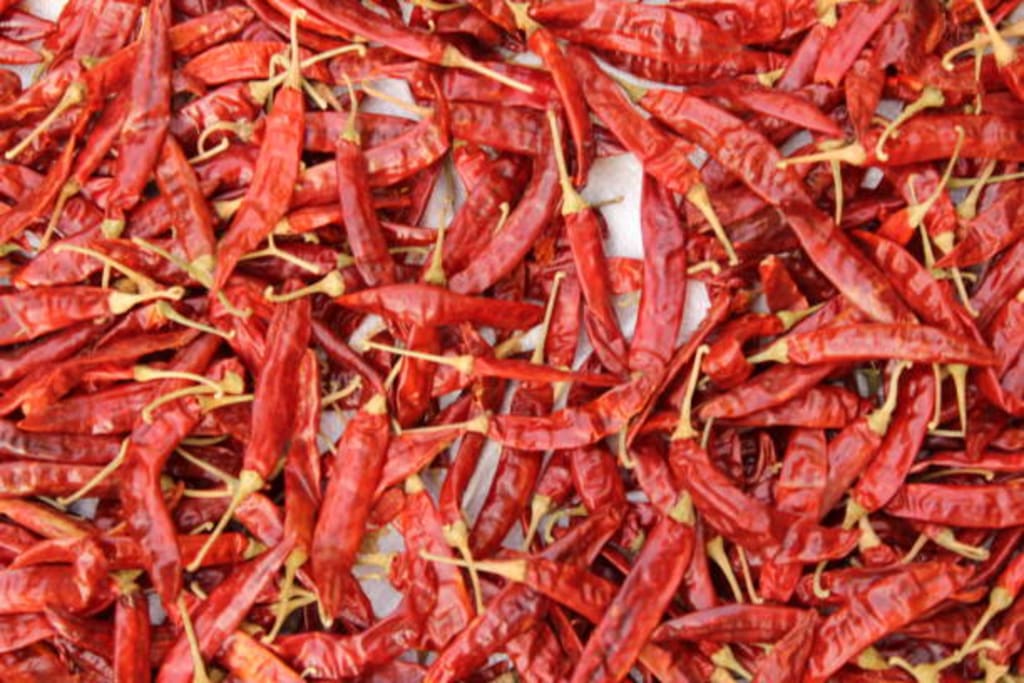
Over the past decade, Africa has emerged as a powerhouse in the global spice trade—particularly in chillies. Escaping the shadows of traditional exporters, several African nations have made significant inroads, supplying premium chillies to markets across Europe, Asia, and the Americas. But how did this transformation happen? Let's explore the key factors fueling Africa’s rise as a leading chillies exporter.
1. Ideal Growing Conditions & Diversified Climates
Perfect Soils and Suitable Weather
African countries offer a range of environments—from West Africa's tropical regions to the high-altitude plateaus of East Africa—ideal for different chilli varieties. This climatic diversity enables year‑round production of both mild and hot chillies.
Value of Local Adaptation
Farmers across Kenya, Tanzania, Nigeria, and Senegal have tapped into local knowledge of soil types and weather patterns. This results in better yields and customized product lines that meet specific market preferences.
2. Investments in Modern Farming Practices
Embracing Agri-Tech and Climate-Smart Methods
African growers aren’t shying away from innovation. Many are adopting greenhouse systems, drip irrigation, and greenhouse shade nets. These technologies not only improve yield but also reduce post‑harvest losses.
Focus on Sustainability
International buyers increasingly demand ethical sourcing and sustainable farming. To meet this, more exporters are embracing organic certification, integrated pest management, and fair trade standards, boosting productivity and enhancing reputations.
3. Improved Infrastructure & Logistics Network
Strengthening Export Routes
Expansion of ports, upgraded road networks, and enhanced airport cargo facilities have made it easier to move fresh produce swiftly and cost‑effectively. Cooler transit times mean reduced spoilage for perishable goods like chillies.
Vertical Integration Boost
Some producer-exporters now control the full value chain—from seed production to final shipment. This integrated approach streamlines operations, enhances traceability, and reduces costs.
4. Government Support & Trade Partnerships
Public Policy and Subsidies
Many African governments recognize agriculture’s export potential and have launched initiatives to support spice growers—offering subsidies, extension services, and better access to credit facilities.
Trade Agreements for Easier Market Access
Bilateral and regional agreements—like the African Continental Free Trade Area (AfCFTA) and partnerships with the EU—have simplified export regulations and removed tariff barriers, making African chillies more competitive.
5. Developing Global Market Connections
Proximity to Emerging Markets
Africa is strategically positioned between Europe, the Middle East, and Asia—reducing transit times. This has positioned it as a go‑to source for fast-spoiling goods like fresh and dried chillies.
Participation in Global Trade Shows
African exporters are making waves at fairs like ANUGA and Gulfood. These platforms allow networking with buyers and position African chillies as bold, flavorful, and sustainable.
6. Premium Quality & Niche Varieties
Tailored Products for Diverse Palates
From fiery African bird’s eye chillies to mild paprika variants, exporters are focusing on niche markets. They’re developing specialized spice lines—like smoked, sun-dried, or organic chillies exporter in Africa —charging premium prices.
Consistency & Certifications
Certification schemes across multiple African exporting countries ensure compliance with international standards. This provides global buyers with transparency and trust.
7. Challenges & Opportunities Ahead
Scaling Without Losing Smallholder Access
Many chillies are still grown by smallholder farmers—scaling production while ensuring fair income distribution is a key challenge. Cooperative models and contract farming offer solutions.
Adapting to Global Spice Trends
Global spice trends change rapidly. The secret to staying ahead lies in research and development—be it to boost capsaicin content, develop unique flavor profiles, or introduce convenient grinding and packaging options.
Conclusion
Africa’s ascent as a leading chillies exporter stems from a powerful combination—ideal climates, modern farming, solid logistics, strategic policies, and a sharp eye on global market demands. But beyond facts, the transformation has empowered local communities, introduced innovative sustainable farming methods, and reshaped trade landscapes.
The future looks bright: as international hunger for spicy flavors intensifies, and as African exporters continue evolving, the continent is poised to remain at the heart of the global chilli trade.
About the Creator
Grows In Africa
We wholesale African products aiming to become the leading exporter of African raw materials. We supply to customers in Asia & Europe.
Keep reading
More stories from Grows In Africa and writers in Longevity and other communities.
Why Sports Investment Is the Next Big Thing for Retail Investors
In recent years, the financial landscape has seen a noticeable shift—one where retail investors are looking beyond traditional markets and exploring alternative asset classes that offer both emotional engagement and strong returns. One of the most exciting of these emerging frontiers is sports investment.
By Grows In Africa 9 months ago in Lifehack
Microsoft's Purposeful Marketing Deception About AI's Ability To Beat Physicians In Diagnosis
When you look at the world of scientific research... If you are not careful... You will be fooled into believing things that are not actually supported by the data.
By Dr. Cody Dakota Wooten, DFM, DHM, DAS (hc)a day ago in Longevity



Comments
There are no comments for this story
Be the first to respond and start the conversation.