
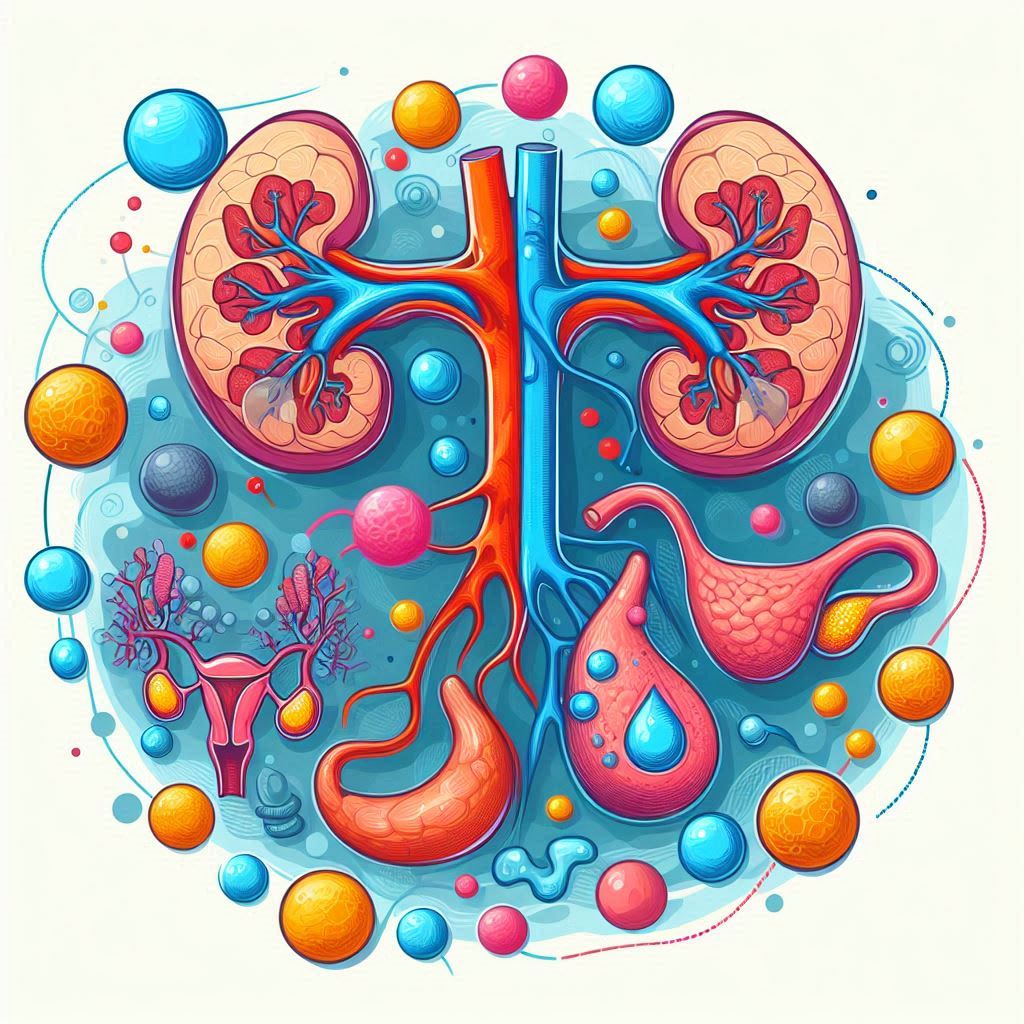
The Gurus Within: Unveiling the Secretory Powerhouses of Your Body
Imagine a bustling marketplace teeming with specialized shops, each churning out vital products that keep your body running smoothly. This isn't a figment of your imagination, but rather a fascinating analogy for the intricate network of glands within us. These unsung heroes, often hidden from plain sight, act as the body's silent factories, manufacturing and releasing essential chemicals called secretions and hormones that orchestrate a symphony of functions, from digestion to growth. Understanding these "gurus within" is key to appreciating the delicate balance that keeps us healthy.
The Exocrine Assembly Line: Delivering Products Directly
Think of a bakery with a dedicated delivery system for its fresh bread. That's the essence of exocrine glands. They possess ducts, like miniature pipelines, that transport their products – enzymes, mucus, or other secretions – directly to a specific location within the body. This targeted delivery ensures these chemicals reach exactly where they're needed to perform their tasks.
Exocrine glands come in a variety of shapes and sizes, each with a specialized role:
Sweat Glands: Located throughout your skin, these simple exocrine glands have unbranched ducts. They produce sweat, a watery fluid containing electrolytes and waste products, which helps regulate body temperature through evaporation. Interestingly, recent studies suggest sweat may also contain unique biomarkers that could be used for non-invasive health monitoring, like tracking stress levels.
Sebaceous Glands: These microscopic glands, often clustered around hair follicles, are another type of simple exocrine gland. They secrete sebum, an oily substance that lubricates the skin and hair, preventing dryness and keeping it healthy. However, overproduction of sebum can contribute to acne, a common skin concern, particularly among teenagers.
Salivary Glands: These compound exocrine glands, with branched ducts, come in three pairs: parotid, submandibular, and sublingual. They produce saliva, a complex mixture of enzymes, mucus, and electrolytes that kickstarts digestion by breaking down food molecules in the mouth. Recent research suggests that saliva may also play a role in taste perception and could potentially hold clues for developing treatments for taste disorders.
The Secretory Symphony: Different Glands, Different Products
Not all exocrine factories produce the same thing. Here's a closer look at their diverse offerings:
Mucous Glands: These champions of lubrication churn out mucus, a sticky, protective goo that keeps surfaces moist and guards against pathogens. They line your respiratory tract, intestines, and even your eyes! Recent studies suggest that the composition of mucus may change in response to certain environmental factors, like air pollution, potentially impacting its protective function.
Serous Glands: Think of these as enzyme factories. They produce a watery fluid packed with enzymes that break down food molecules, aiding digestion. Your pancreas and salivary glands are prime examples. Interestingly, research is exploring the potential of using pancreatic enzymes as a treatment for certain digestive disorders beyond exocrine pancreatic insufficiency.
Mixed Glands: As the name suggests, these versatile players produce a blend of both mucus and serous secretions. A prime example is the pancreas, which secretes digestive enzymes alongside a bicarbonate-rich fluid to neutralize stomach acid in the small intestine.
The Real-World Impact: When the Exocrine Assembly Line Falters
Cystic fibrosis, a debilitating genetic disorder, highlights the critical role of exocrine glands. In this condition, a faulty gene disrupts chloride channels within these glands, leading to thick, sticky secretions. This can clog airways in the lungs, making breathing difficult, and hinder digestion by gumming up digestive enzymes. Thankfully, advancements in gene therapy offer promising hope for the future of cystic fibrosis treatment.
The Endocrine Messengers: Signaling Without Ducts
Now, let's shift gears to the endocrine glands. Unlike their exocrine counterparts, these operate on a more covert level. They lack ducts and instead release their products – hormones – directly into the bloodstream. These chemical messengers travel throughout the body, reaching distant target organs to exert their influence. The endocrine system is like a well-coordinated orchestra, with each gland playing a specific instrument. Here are some key players:
The Pituitary Gland: Often referred to as the "master gland," the pituitary sits at the base of the brain and conducts the endocrine symphony. It secretes a diverse range of hormones that regulate growth, reproduction, metabolism, and even stress response. Recent research delves into the intricate connection between the pituitary gland and the gut microbiome, suggesting that gut bacteria may influence hormone production.
The Pancreas: This multi-talented organ wears two hats – it functions as both an exocrine and endocrine gland. As an endocrine gland, it secretes insulin and glucagon, hormones that work in tandem to maintain blood sugar levels. Current trends in diabetes management focus on the development of artificial pancreas systems that can continuously monitor blood sugar levels and automatically deliver insulin, mimicking the natural function of a healthy pancreas.
The Thyroid Gland: Located in your neck, the thyroid gland produces thyroid hormone, which is essential for regulating metabolism, heart rate, and body temperature. A growing area of research explores the potential link between thyroid function and mental health, with some studies suggesting a connection between thyroid disorders and conditions like depression.
The Adrenal Glands: These glands perched atop your kidneys churn out adrenaline and cortisol, hormones that come into play during the fight-or-flight response, mobilizing your body for action in stressful situations. Interestingly, recent studies suggest that chronic stress can lead to long-term changes in adrenal function, highlighting the importance of stress management for overall well-being.
The Delicate Balance: When Endocrine Messages Go Astray
Hormonal imbalances can have a profound impact on our health. For example, an underactive thyroid gland (hypothyroidism) can lead to fatigue, weight gain, and difficulty concentrating. Conversely, an overactive thyroid gland (hyperthyroidism) can cause anxiety, weight loss, and heart palpitations. Thankfully, with proper diagnosis and treatment, many hormonal imbalances can be effectively managed.
Understanding the Gurus Within: A Key to Well-being
By delving into the world of glands, we gain a deeper appreciation for the intricate machinery that keeps us functioning. From the targeted action of exocrine secretions to the far-reaching influence of hormones, these hidden factories play a vital role in maintaining our health. By understanding how these glands work, we can better appreciate the importance of a balanced diet, regular exercise, and managing stress – all factors that can contribute to optimal glandular function. Remember, these gurus within deserve our respect – after all, they are the silent conductors of our well-being!
Looking Ahead: The Future of Glandular Research
The field of endocrinology is constantly evolving. Researchers are exploring exciting possibilities:
Gene Editing for Cystic Fibrosis: As mentioned earlier, gene therapy holds promise for treating cystic fibrosis by correcting the faulty gene responsible for the disease.
Artificial Pancreas for Diabetes: Advancements in artificial pancreas systems offer hope for improved blood sugar control and a better quality of life for people with diabetes.
Gut Microbiome and Hormone Production: The link between the gut microbiome and hormone production is a burgeoning area of research. Understanding how gut bacteria influence hormone signaling could lead to novel therapeutic approaches for various hormonal disorders.
Personalized Medicine: By analyzing an individual's unique genetic makeup and hormonal profile, doctors may be able to develop personalized treatment plans for hormonal imbalances in the future.
By unraveling the mysteries of glands and their intricate workings, scientists are paving the way for a future filled with innovative treatments and a deeper understanding of human health. So, the next time you break a sweat, savor a delicious meal, or experience a surge of adrenaline, remember the silent symphony of glands orchestrating these experiences within you. These remarkable gurus within are the unsung heroes of our well-being, and their story is far from over.
About the Creator
suren arju
Hi there! I'm Suren, your startup guide. Entrepreneur, writer, dreamer - I share insights, tips & stories to fuel your startup journey. Ready to explore, learn & win together? Join me & let's redefine how we launch, learn & leap!
Keep reading
More stories from suren arju and writers in Longevity and other communities.
Beyond Skin Deep: Unveiling the Wonders of Your Hidden Ecosystem - Cartilage
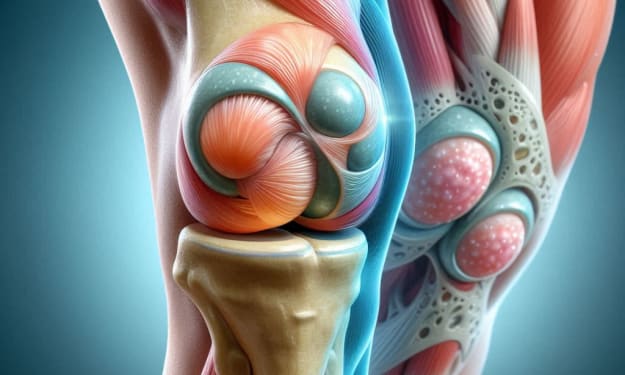
Beyond Skin Deep: Unveiling the Wonders of Your Hidden Ecosystem - Cartilage Have you ever marveled at the silent symphony of movement your body performs every day? From the effortless bend of your elbow to the complex mechanics of a walk, a hidden hero plays a vital role - cartilage. Often overshadowed by its more rigid companion, bone, this remarkable living tissue acts as the silent maestro of our musculoskeletal system. Let's delve into the fascinating world of cartilage, exploring its structure, functions, and the cutting-edge science working to keep it healthy.
By suren arju2 years ago in Longevity
What is a safe air corridor? How planes still fly during airspace closures in the UAE
When geopolitical tensions, natural disasters, or security concerns arise, countries may close parts of their airspace to commercial and cargo flights. Yet, aircraft often continue to operate safely in affected regions, thanks to the concept of safe air corridors—predefined routes that allow planes to navigate restricted airspace while avoiding hazards. This system is particularly relevant in the United Arab Emirates (UAE), where strategic location and proximity to regional conflicts occasionally lead to temporary airspace restrictions. Understanding Airspace Closures Airspace closures are imposed by governments or aviation authorities to ensure the safety of aircraft. In the UAE, such closures may occur due to military exercises, regional conflicts, drone activity, or threats to civil aviation. When a segment of airspace is declared off-limits, airlines must reroute flights around the restricted zone to prevent potential risks. These closures are usually coordinated with the General Civil Aviation Authority (GCAA), the UAE’s governing body for civil aviation safety and regulation. During these periods, normal flight operations are disrupted, and pilots rely on updated information from Air Traffic Control (ATC) and real-time navigation systems to maintain safe routes. While closures can delay flights or increase fuel consumption due to longer flight paths, modern aviation technology ensures these detours are safe and efficient. What Are Safe Air Corridors? A safe air corridor is a route designated by aviation authorities that allows aircraft to traverse or bypass areas of restricted airspace without entering dangerous zones. These corridors are carefully calculated using a combination of air traffic control data, radar monitoring, satellite information, and international flight regulations. The primary purpose of a safe air corridor is to: Avoid hazards – This includes potential missile threats, drone activity, or conflict zones. Maintain operational efficiency – Even when parts of airspace are closed, corridors help minimize delays and fuel usage. Ensure separation between aircraft – Air corridors prevent mid-air collisions by providing structured lanes with defined altitudes and headings. Safe air corridors are not unique to conflict regions—they are also used during volcanic ash clouds, severe weather events, or temporary airport closures. For instance, airlines often rely on these corridors to fly safely around storm systems or ash plumes that could damage aircraft engines. How Safe Corridors Work in the UAE The UAE’s geographical position makes it a hub for international flights connecting Europe, Asia, and Africa. Occasionally, regional tensions in nearby countries may lead to partial closures of UAE-controlled airspace. When this happens, the GCAA coordinates with international bodies such as the International Civil Aviation Organization (ICAO) and nearby countries’ air traffic authorities to establish safe routes for airlines. Airlines submit flight plans that adhere to these corridors, which are updated in real-time to account for new threats or operational changes. Pilots follow these predefined paths, adjusting altitudes and headings according to ATC instructions. Advanced navigation systems such as GPS, inertial navigation, and Automatic Dependent Surveillance–Broadcast (ADS-B) ensure that aircraft remain within safe zones throughout their journey. The UAE’s major airlines, including Emirates and Etihad, regularly train their pilots to operate under these conditions. Crew members are briefed on the corridors, alternative routes, and emergency procedures in case of unexpected airspace restrictions. The combination of regulatory oversight, technology, and pilot training allows flights to continue safely even during temporary closures. Coordination with International Flights Because the UAE serves as a transit point for international flights, safe air corridors must also align with global aviation standards. ICAO provides guidance on conflict-zone overflights, advising airlines on risk assessment, insurance requirements, and operational procedures. Many international carriers flying through UAE airspace rely on real-time updates from aviation intelligence providers to adjust their routes proactively, ensuring safety without compromising schedules. Benefits and Limitations Safe air corridors provide a crucial balance between security and operational efficiency. They allow airlines to: Maintain flight schedules despite airspace closures. Reduce risks from regional conflicts or hazards. Protect passengers and crew from potential threats. However, there are limitations. Rerouted flights may experience longer journey times, increased fuel costs, and higher operational complexity. Furthermore, corridors are only as reliable as the intelligence and monitoring systems supporting them. Sudden escalations in regional threats can prompt additional restrictions, requiring dynamic adjustments mid-flight. Conclusion Safe air corridors are an essential component of modern aviation safety, particularly in regions with geopolitical sensitivity such as the UAE. By combining regulatory oversight, advanced navigation systems, and coordinated international protocols, airlines can continue to operate efficiently while minimizing exposure to risk. For passengers, this means that even amid temporary airspace closures, flights can remain largely uninterrupted, demonstrating the robustness and adaptability of the global aviation network. These corridors exemplify how careful planning, technology, and international cooperation come together to ensure that civil aviation continues to operate safely, no matter the challenges above the skies.
By Fiaz Ahmed 4 days ago in Longevity



Comments
There are no comments for this story
Be the first to respond and start the conversation.