
Fuel Your Body with These Protein-Rich Vegan Indian Foods
Best Protein Rich Vegan Foods in India
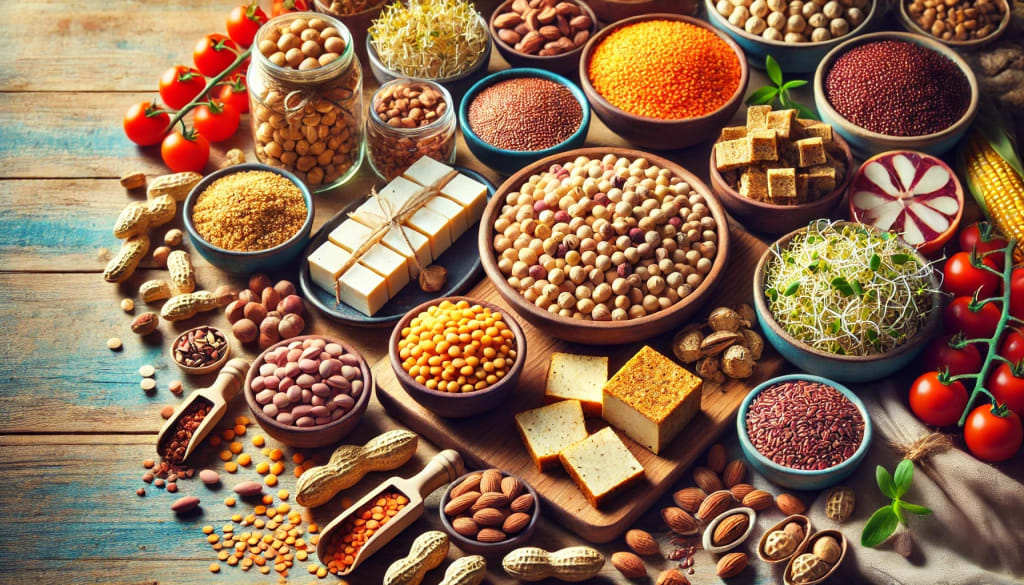
Fuel Your Body with These Protein-Rich Vegan Indian Foods
A well-balanced diet requires an adequate intake of protein, which is essential for muscle growth, repair, and overall well-being. For those following a vegan lifestyle in India, there are plenty of plant-based protein Best Protein Rich Vegan Foods in India sources that provide all the essential nutrients without relying on animal products.
From traditional lentils and legumes to nutrient-rich nuts, seeds, and whole grains, Indian cuisine offers a variety of protein-packed vegan foods. This guide explores the best protein-rich vegan foods in India and how to include them in your daily meals.
Why Protein is Important in a Vegan Diet
Protein plays a crucial role in building and repairing tissues, supporting enzyme function, and boosting metabolism. While animal-based foods provide complete proteins, plant-based sources often need to be combined for a well-rounded amino acid profile.
By consuming a diverse range of protein-rich vegan foods, you can easily meet your daily protein requirements while following a plant-based diet.
Best Protein-Rich Vegan Foods in India
1. Lentils (Dal)
Lentils are a staple in Indian households and one of the richest sources of plant-based protein. They also provide fiber, iron, and essential minerals.
Protein Content:
Moong Dal (Green gram) – 24g per 100g
Masoor Dal (Red lentils) – 25g per 100g
Urad Dal (Black gram) – 26g per 100g
Arhar Dal (Pigeon peas) – 22g per 100g
How to Use:
Prepare dals, soups, khichdi, or sprout them for salads.
2. Chickpeas (Chana)
Chickpeas are a versatile and Best Protein Rich Vegan Foods in India nutrient-dense protein source widely used in Indian cuisine.
Protein Content: 19g per 100g
How to Use:
Enjoy chickpeas in chole, hummus, roasted snacks, and besan-based dishes like chilla and kadhi.
3. Soya Chunks and Soy Milk
Soy products are some of the richest plant-based protein sources available.
Protein Content:
Soya Chunks: 52g per 100g
Soy Milk: 3.3g per 100ml
How to Use:
Add soya chunks to curries and pulao, and use soy milk as a dairy alternative.
4. Tofu (Soy Paneer)
Tofu is a protein-rich dairy substitute made from soybeans.
Protein Content: 10g per 100g
How to Use:
Use tofu in stir-fries, curries, wraps, and grilled dishes.
5. Peanuts
Peanuts are a budget-friendly, high-protein snack.
Protein Content: 25g per 100g
How to Use:
Eat roasted peanuts, peanut butter, or peanut-based chutneys.
6. Almonds, Cashews, and Walnuts
Nuts provide a combination of protein, healthy fats, and micronutrients.
Protein Content:
Almonds – 21g per 100g
Cashews – 18g per 100g
Walnuts – 15g per 100g
How to Use:
Eat raw, blend into smoothies, or add to plant-based desserts.
7. Seeds (Chia, Flaxseeds, Pumpkin Seeds)
Seeds are protein-rich superfoods packed with essential fatty acids and fiber.
Protein Content:
Flaxseeds – 18g per 100g
Chia Seeds – 17g per 100g
Pumpkin Seeds – 19g per 100g
How to Use:
Sprinkle over salads, smoothies, oatmeal, or mix into roti dough.
8. Sprouted Legumes and Beans
Sprouting enhances the protein and nutrient content of legumes.
Protein Content:
Moong Sprouts – 24g per 100g
Chana Sprouts – 19g per 100g
How to Use:
Add to chaats, salads, or lightly sauté for a crunchy snack.
9. Millets (Ragi, Bajra, Jowar)
Millets are ancient grains loaded with protein and essential nutrients.
Protein Content:
Ragi (Finger Millet) – 7g per 100g
Bajra (Pearl Millet) – 12g per 100g
Jowar (Sorghum) – 10g per 100g
How to Use:
Use in rotis, porridges, idlis, and upma.
10. Whole Grains (Brown Rice, Quinoa, Amaranth)
Whole grains provide protein along with fiber and slow-releasing energy.
Protein Content:
Brown Rice – 8g per 100g
Quinoa – 13g per 100g
Amaranth – 14g per 100g
How to Use:
Use in grain bowls, pulao, and as a rice alternative.
11. Besan (Gram Flour)
Besan is made from chickpeas and is a high-protein flour used in Indian cuisine.
Protein Content: 22g per 100g
How to Use:
Make besan chilla, kadhi, pakoras, or use in rotis.
12. Green Leafy Vegetables
Leafy greens contribute to protein intake while being rich in vitamins and minerals.
Protein Content:
Spinach – 2.9g per 100g
Moringa Leaves – 9g per 100g
How to Use:
Use in curries, dals, smoothies, and salads.
How to Increase Protein Intake in a Vegan Diet
1. Eat a Protein-Rich Breakfast
Choose besan chilla, tofu scramble, or quinoa porridge with nuts and seeds.
2. Combine Different Protein Sources
Pair legumes with whole grains, such as dal with brown rice or roti with hummus.
3. Include High-Protein Snacks
Opt for roasted chickpeas, nuts, and homemade energy bars.
4. Incorporate Soy-Based Foods
Use tofu, soya chunks, and soy milk regularly.
5. Replace Refined Carbs with Whole Grains
Opt for millets, brown rice, and quinoa over white rice and refined flour.
Sample High-Protein Vegan Indian Meal Plan
Breakfast
Moong dal chilla with peanut chutney
Ragi porridge with nuts and flaxseeds
Tofu bhurji with whole wheat toast
Lunch
Rajma with quinoa and salad
Bajra roti with soya chunks curry
Dal with brown rice and sautéed greens
Snacks
Roasted chana and jaggery
Chia seed pudding with almond milk
Flaxseed and peanut energy bars
Dinner
Sprouted moong salad with lemon dressing
Millet khichdi with vegetables
Chana masala with whole wheat roti
Conclusion
India offers a rich variety of plant-based protein sources, making it easy to follow a protein-rich vegan diet. Lentils, chickpeas, tofu, nuts, seeds, and whole grains provide excellent nutrition while supporting overall health.
By including a variety of these protein-rich foods in your meals, you can fuel your body with essential nutrients while enjoying the diverse and delicious flavors of Indian cuisine.
Read More:
https://prorganiq.com/blogs/new/best-protein-rich-food-vegan-in-india
About the Creator
Keep reading
More stories from Why Proteins Are Called Bodybuilding Food and writers in Longevity and other communities.
Whey Protein Expiration Dates: What You Should Know
Is It Okay to Use Whey Protein After the Expiry Date? Whey protein is a popular supplement among fitness enthusiasts, athletes, and anyone looking to boost their protein intake conveniently. However, like any food product, it Does Whey Protein Expire comes with an expiration date. Many users find themselves staring at that date, wondering if it’s really necessary to toss the tub of protein powder just because it’s past its prime.
By Why Proteins Are Called Bodybuilding Food11 months ago in Longevity
Day 4 of Quitting
If this is how sobriety feels, maybe it’s better to go through life a little buzzed… this, along with other hits like, I want to kill myself, I wish I was dead, and I’m going to throw myself off a bridge have been the only thoughts on rotation these past few days. I promise myself that if, in a month, I still feel like this (‘this’ meaning despondent, full of rage, and simultaneously numb) I can go back to smoking. Until mid-February though? Nicotine is off the table.
By sleepy drafts11 days ago in Longevity
Treatment-Resistant Depression Market Size and Forecast 2025–2033
Introduction Depression remains one of the most widespread and disabling mental health disorders worldwide. While standard antidepressants and psychotherapy bring relief to millions, a significant proportion of patients do not respond adequately to conventional treatments. This clinical reality has given rise to a distinct and rapidly evolving segment of mental healthcare: treatment-resistant depression (TRD).
By Marthan Sir6 days ago in Longevity



Comments
There are no comments for this story
Be the first to respond and start the conversation.