
From Farm to Table: The Art of Growing Your Own Vegetables
Gardening and Sustainable Living in 2025

Grow Your Own Vegetables: The Easiest Way to Start a Healthy Lifestyle
Have you ever wondered how to start living a healthier life without making drastic changes? Would you like to do something that helps reduce stress, creates a nurture/nature ambiance in your home or back yard, and allows you to partake of freshness unlike anything you will buy at the local super market? This is one of the simplest and most rewarding ways to improve your health, reduce stress and see the results of your dedication;growing your own vegetables. Not only does it provide you with fresh, organic produce, but it also helps you save money, reduce stress, and connect with nature. The best part? You don’t need a big backyard or a green thumb to get started! Let me tell you how!
I grew up on a farm where we grew grains, hay, and had a large vegetable garden. As a child with 9 siblings, that garden was a saving grace in the cold winter time, when fresh produce was not readily available in our midwest region. My mother and grandmother canned vegetables all summer, so we always had our own healthy food to eat.
So, whether you have a tiny balcony, a small patio, or just a sunny windowsill, you can start your own vegetable garden using pots and small-space gardening techniques. This guide will walk you through the benefits of growing your own vegetables, the easiest veggies to cultivate in containers, and how to maintain a thriving mini-garden.
Why Growing Your Own Vegetables is a Game-Changer for Your Health
1. Fresh, Organic, and Chemical-Free Food (Not something you will find in the supermarket.) The word ORGANIC does not mean what it used to mean. It simply means it is an organic product, grows in nature, we are "organic", trees are organic, vegetables are all organic. Also the use of the word "natural" is misleading. Of course the vegetables are natural. Unless they are from some other planet.
Supermarket vegetables often travel hundreds of miles before reaching your plate, losing nutrients along the way. And because the stores want the most longevity out of the produce they are importing, they choose varieties that may not have the best flavor, or be the best for cooking and canning. They are simply the best for long transport and long shelf life in the produce section. Many are also sprayed with pesticides and chemicals. By growing your own veggies, you ensure they are truly organic, fresh, and packed with vitamins and minerals.
2. A Fun and Effective Way to Stay Active
Gardening is a great way to get some exercise! Digging, planting, watering, and harvesting all contribute to physical activity, improving flexibility, strength, and endurance. Plus, spending time outdoors provides a natural dose of vitamin D, which is essential for bone health and immune function.
Even in small container gardens on a patio there are exercise benefits as you prune, water, and keep your small containers weed free.
3. Stress Reduction and add Mental Clarity
There’s something deeply satisfying about watching a tiny seed grow into a vibrant, leafy green. Gardening has been proven to lower stress levels, improve mood, and promote mindfulness. The simple act of tending to plants can bring a sense of calm and accomplishment. And the added benefit of fresh vegetables that contain important nutrients our bodies crave is an added benefit.
4. A Budget-Friendly Way to Eat Healthy
Organic vegetables are expensive, but growing your own is cost-effective. With a small investment in seeds, soil, and pots, you can enjoy a continuous harvest of fresh produce right at home. And even when the temperatures drop, you can move your pots indoors for fresh vegetables all year round. Make sure they are posted near a window that gets good sunlight, and that they are in warm environment, and your vegetable plants will produce long after their supposed "end of season" date.
How to Start Growing Vegetables in Small Spaces
1. Choose the Right Containers
If you don’t have a garden, don’t worry! You can grow vegetables in pots, hanging baskets, or even repurposed containers like old buckets or crates. Just ensure they have drainage holes to prevent waterlogging. Also make sure if you are using old buckets, they did not contain chemicals that could seep into the plants root system. Use only new or food grade buckets.
During early season, I go to Dollar Tree and pick up containers very cheaply, and plant my seeds or seedlings early, keeping the containers in the house. This way when spring arrives, I can plant my seedlings in my garden space outside. However, if you are container gardening, make certain that the containers will host the plant at full size.
2. Select Easy-to-Grow Vegetables
For beginners, it’s best to start with low-maintenance vegetables that thrive in small spaces. Here are some of the best options:
Cherry Tomatoes, also known as patio tomatoes – Perfect for pots and hanging baskets, cherry tomatoes grow quickly and produce an abundant harvest.
Lettuce and Spinach – These leafy greens grow fast and can be harvested multiple times. They do well in shallow containers. When you harvest, leave about an inch to two inches of the leafy material above the soil, and they will consistantly grow back with more greens!
Herbs (Basil, Mint, Rosemary, Parsley) – Ideal for windowsills, herbs add fresh flavor to your meals and require minimal space. These can be grown from seed, or you can purchase small plants and get a better start.
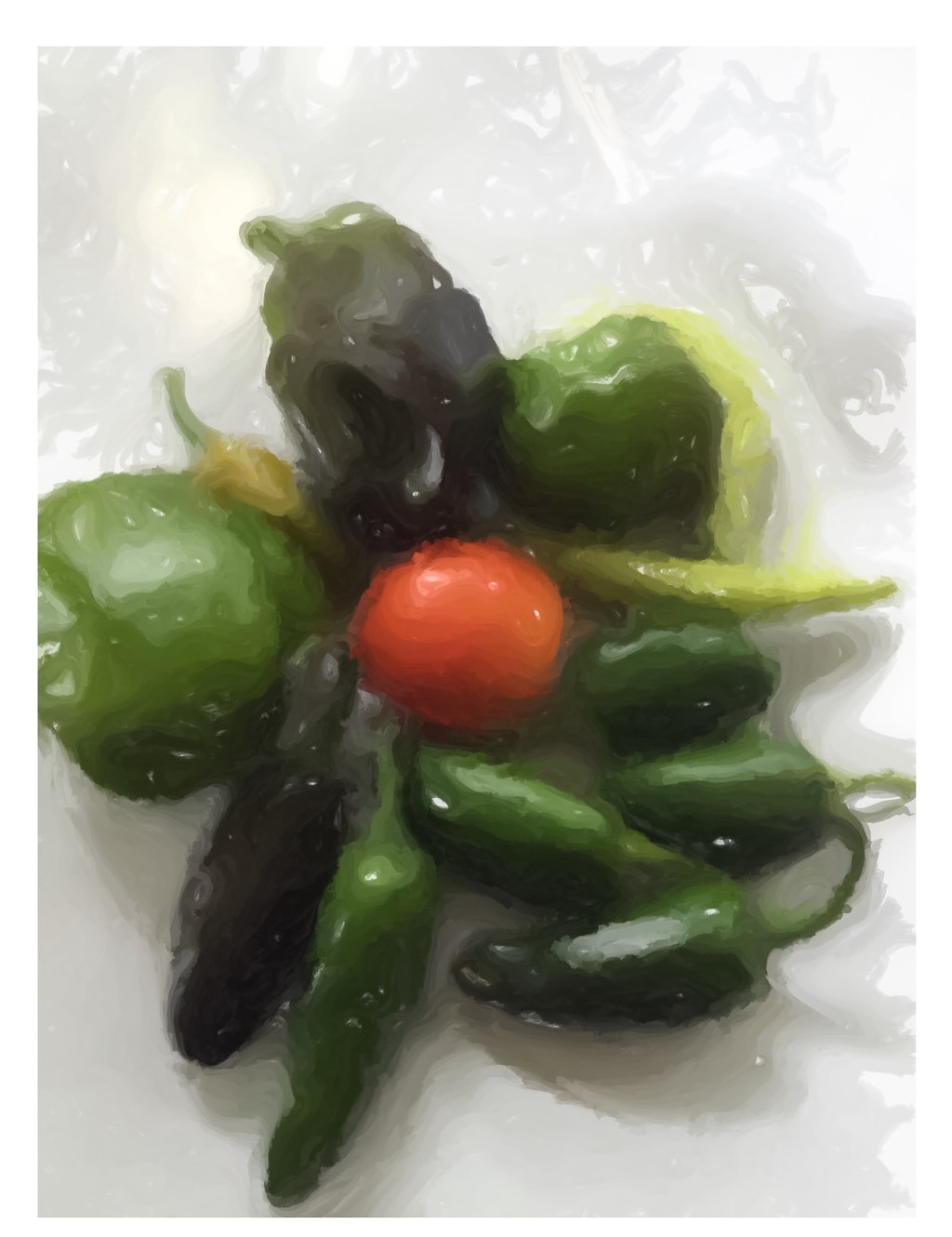
Peppers – Bell peppers and chili peppers grow well in pots and love warm, sunny spots. Bell peppers do require a bit deeper pot, as their root system is always seeking water. Bell peppers like direct sunlight for at least 6 hours a day.
Radishes – One of the fastest-growing veggies, radishes can be harvested in as little as three weeks! There are many varieties as well. Multi colored radishes are a great addition to salads, colorful and somewhat less spicey than the traditional red radishes.
Carrots – Choose shorter varieties like ‘Parisian’ or ‘Thumbelina’ for container gardening. Because carrots are a "tuber", meaning their fruit grows under the soil, they need room to grow and expand. If you prefer a longer carrot like you find in grocery stores, be sure your container is at least a foot to a foot and a half deep.
3. Provide Proper Sunlight and Water
Most vegetables need at least 6 hours of sunlight per day, so place your pots in a sunny spot like a balcony, patio, or windowsill. Water regularly, but avoid overwatering—soil should be moist, not soggy. Check for bug infestation. Although less likely inside the home, sometimes on the patio, bugs can get in and destroy your plants. Gently lift leaves to check for bugs under the leaf and on the stem. Remove them and either give them a toss outside, or smush them and put them back into the soil as natural fertilization.
4. Use Quality Soil and Fertilizer
For the best results, use a high-quality potting mix that provides good drainage. Organic compost or natural fertilizers like banana peels or eggshells can help boost plant growth. Remember that compost is best when it has time to break down. If you don't have the patience for that, place banana peels and other cuttings from your vegetables and fruits, and put them in a small water bottle which you have cut the bottom out of, drill a hole or two in the lid, place the peels in the bottle, press it lid side down in the soil, and every time you water your plant, pour the water into the top of the container. This will feed your plants organic fertilizer for a long time.
Be aware of fruit flies. A small amount of apple cider vinegar in a small plastic cup will attract the fruit flies from the vegetables.
5. Try Vertical Gardening for Extra Space
If you’re tight on space, vertical gardening is a fantastic solution. Use wall planters, stackable pots, or hanging baskets to grow vegetables upward instead of outward. This technique works well for climbing plants like beans, peas, and cucumbers. Zuchini squash also does well vertically.
Harvesting and Enjoying Your Homegrown Produce
One of the most exciting moments in gardening is harvesting your own food. Pick vegetables at their peak ripeness for the best flavor and nutritional value. Enjoy them fresh in salads, smoothies, or homemade dishes. There’s nothing more satisfying than eating food you’ve grown yourself! If you have an overabundance, learn to can, freeze dry, or dehydrate your extra for healthy food all year long.
Final Thoughts: Start Your Gardening Journey Today!
Growing your own vegetables is one of the smartest ways to start a healthy lifestyle. It’s an easy, budget-friendly, and rewarding habit that improves your diet, keeps you active, and reduces stress. Whether you have a big backyard or a tiny apartment, you can start growing fresh vegetables today with just a few pots and some determination.
Are you ready to experience the benefits of home gardening? Start small, choose easy-to-grow veggies, and watch your mini-garden flourish!
If you found this guide helpful, please, share it with your friends and family. Let’s inspire more people to start growing their own food! 🌱🍅🥕
About the Creator
Loretta Emmons
I embody the harmony of simplicity and creativity. I move through life with a strength that reflects both my artistic soul & my hardworking spirit. A writer at heart rooted in my Christian faith, I approach each day with a quiet strength.
Keep reading
More stories from Loretta Emmons and writers in Longevity and other communities.
Ultimate Guide to Living Your Best Life after 40
Turning 40 is a major milestone in life. It is one that often comes with mixed emotions—excitement for what’s ahead, yet a reflection on the years past. However, what if I told you that this is the perfect time to embrace the best years of your life? In fact, living your best life after 40 is not just a possibility—it’s a reality waiting to unfold. With the right mindset, habits, and tools, you can unlock a future full of health, happiness, and career success.
By Loretta Emmonsabout a year ago in Longevity
Microsoft's Purposeful Marketing Deception About AI's Ability To Beat Physicians In Diagnosis
When you look at the world of scientific research... If you are not careful... You will be fooled into believing things that are not actually supported by the data.
By Dr. Cody Dakota Wooten, DFM, DHM, DAS (hc)a day ago in Longevity
Why Skipping Breakfast Is More Harmful Than You Think
Many students skip breakfast without thinking twice. Mornings are busy, classes start early, and sometimes there simply doesn’t seem to be enough time to prepare food. Some people even believe skipping breakfast might help reduce calorie intake.
By Being Inquisitive5 days ago in Longevity


Comments
There are no comments for this story
Be the first to respond and start the conversation.