
Flat Roofs Contractors: Myths About Flat Roofs Debunked
Flat roofs have become increasingly popular in the UK
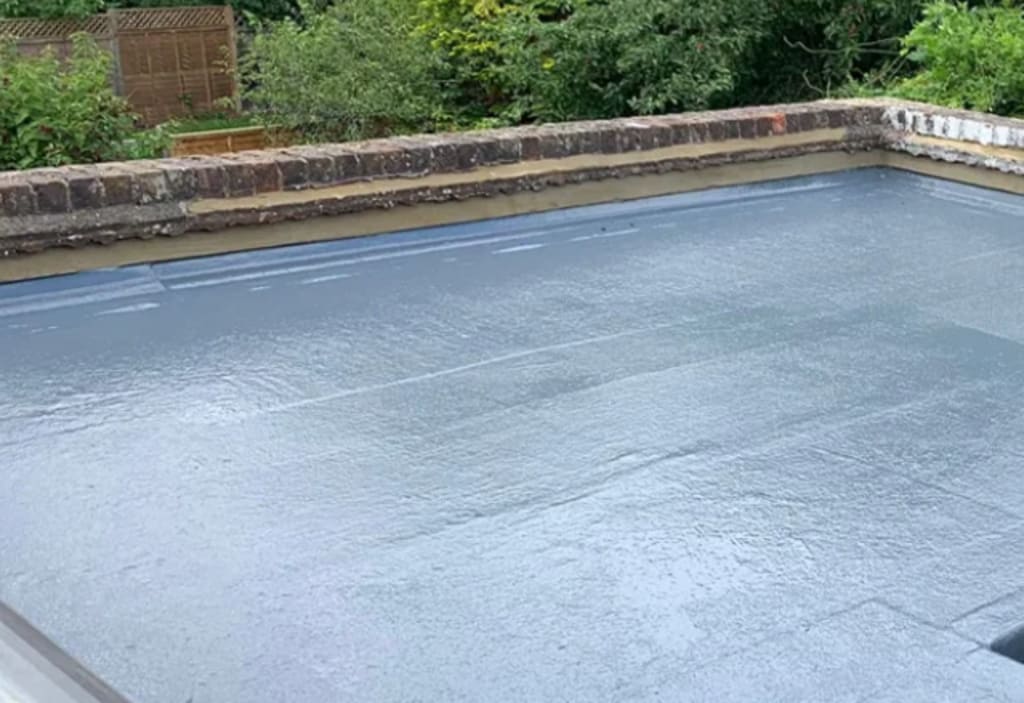
Flat roofs have become increasingly popular in the UK, offering a sleek, modern aesthetic and practical benefits for both residential and commercial properties. However, misconceptions about flat roofs persist, often deterring homeowners and business owners from considering them as a viable option. These myths, rooted in outdated practices or misinformation, can obscure the true potential of flat roofs when designed and installed by skilled flat roof contractors. In this article, we’ll debunk the most common myths about flat roofs, providing clarity and insight to help you make informed decisions about your roofing project.
Myth 1: Flat Roofs Are Completely Flat
One of the most widespread myths is that flat roofs are entirely level. In reality, flat roofs are designed with a slight pitch, typically ranging from 1:4 to 1:12 (approximately 2.5 to 10 degrees), to facilitate proper drainage. UK building regulations mandate this subtle incline to ensure water flows towards gutters or drains, preventing pooling. This slight slope is often imperceptible to the naked eye but is critical for maintaining the roof’s integrity. Properly installed by experienced flat roof contractors, this design feature ensures water runoff, debunking the notion that flat roofs are prone to standing water.
Myth 2: Flat Roofs Always Leak
The belief that flat roofs are inherently prone to leaks is a persistent misconception. While poorly installed or maintained flat roofs can develop issues, the same is true for any roofing system, including pitched roofs. Modern flat roofing materials, such as EPDM (ethylene propylene diene monomer), PVC, TPO, and single-ply membranes, are engineered to be highly durable and watertight. When installed by qualified flat roof contractors, these materials form a seamless, non-porous barrier that resists water infiltration. Regular maintenance, such as clearing debris from drains and inspecting seams, further minimises the risk of leaks. With proper care, flat roofs can perform just as well as, if not better than, their pitched counterparts.
Myth 3: Flat Roofs Lack Durability
Another common myth is that flat roofs don’t last as long as pitched roofs. The lifespan of a flat roof depends on the materials used and the quality of installation and maintenance. For instance, traditional felt roofs may last 10-15 years, while advanced materials like EPDM or PVC can exceed 20-30 years with proper upkeep. Regular inspections by flat roof contractors can identify minor issues, such as blisters or seam wear, before they escalate, extending the roof’s lifespan. In contrast, poorly maintained pitched roofs can also fail prematurely, proving that durability is more about care and quality than roof type.
Myth 4: Flat Roofs Are Only Suitable for Commercial Buildings
While flat roofs are a common sight on commercial properties, the idea that they’re unsuitable for residential homes is outdated. Many modern UK homes feature flat roofs, particularly for extensions, garages, or contemporary designs. Flat roofs offer a sleek, minimalist aesthetic that complements modern architecture. Additionally, they provide functional benefits, such as the potential for green roofs, rooftop patios, or solar panel installations, which enhance both sustainability and property value. Flat roof contractors can tailor designs to suit residential needs, making them a versatile option for homeowners.
Myth 5: Flat Roofs Are Poorly Insulated
Some believe flat roofs offer inferior insulation compared to pitched roofs due to the lack of a loft space. However, modern flat roofing systems incorporate multiple layers of insulation, air barriers, and membranes that provide excellent thermal efficiency. Flat roof contractors can install high-performance insulation materials, such as rigid foam or mineral wool, to meet or exceed UK building regulations for energy efficiency. In fact, flat roofs can be designed to achieve U-values comparable to or better than pitched roofs, reducing heat loss and lowering energy bills. Additionally, light-coloured flat roof coatings can reflect sunlight, further improving energy efficiency.
Myth 6: Flat Roofs Require Excessive Maintenance
The notion that flat roofs demand costly and complex maintenance is another myth that needs debunking. While all roofs require regular upkeep to remain in good condition, flat roofs are often easier to maintain due to their accessibility. Flat roof contractors can quickly inspect and clean the surface, remove debris from drains, and check for signs of wear. Routine maintenance, such as seasonal inspections and clearing blockages, can prevent issues like water pooling or membrane damage. Compared to pitched roofs, which may require specialised equipment to access, flat roofs are often more straightforward and cost-effective to maintain.
Myth 7: Flat Roofs Can’t Handle Heavy Snow or Rain
Concerns about flat roofs buckling under heavy snow or rain are largely unfounded when the roof is properly designed and installed. UK building codes ensure flat roofs are constructed to withstand significant weight, including snow loads in regions prone to heavy snowfall. The slight pitch mentioned earlier aids in water runoff, while robust drainage systems, such as gutters and scuppers, prevent pooling. Flat roof contractors can also incorporate leaf guards to keep drains clear of debris, further reducing the risk of water accumulation. With proper planning, flat roofs are well-equipped to handle the UK’s variable weather conditions.
Myth 8: Flat Roofs Are Expensive to Install
While the initial cost of a flat roof can vary, it is often more cost-effective than pitched roofs due to lower material and labour requirements. Flat roofs require fewer structural components, such as complex trusses, and can be installed more quickly, reducing labour costs. According to industry estimates, flat roof installation costs in the UK range from £50 to £110 per square metre, depending on the material used. While high-end materials like PVC may cost more upfront, their longevity and low maintenance needs often make them a better long-term investment. Flat roof contractors can provide tailored quotes to suit your budget and project requirements.
Myth 9: Flat Roofs Offer No Aesthetic Value
Flat roofs are sometimes dismissed as unattractive or utilitarian, but this overlooks their versatility and modern appeal. Flat roofs provide a clean, minimalist look that complements contemporary architectural styles. They also offer unique design opportunities, such as rooftop gardens, terraces, or solar panel installations, which can enhance a property’s aesthetic and functionality. Flat roof contractors can incorporate features like green roofs or light-coloured coatings to improve both appearance and energy efficiency, making flat roofs a stylish and practical choice for modern homes.
Myth 10: Flat Roofs Are Unsafe to Walk On
The idea that flat roofs are unsafe to walk on stems from concerns about their structural integrity. However, when designed and installed by professional flat roof contractors, flat roofs are built to support foot traffic and additional loads, such as maintenance workers or rooftop equipment. Some flat roofs can even be designed as usable spaces, like balconies or patios, with appropriate reinforcement and safety features. Always consult with a qualified contractor to ensure the roof is suitable for walking or additional uses, and avoid DIY inspections to prevent damage or injury.
Why Choose a Flat Roof?
Flat roofs offer numerous advantages that make them an attractive option for UK properties. They are cost-effective to install, require fewer materials, and provide additional usable space for features like green roofs or solar panels. Their accessibility simplifies maintenance, and modern materials ensure durability and weather resistance. By working with experienced flat roof contractors, you can ensure a high-quality installation that maximises these benefits while addressing any concerns specific to your property.
Tips for Maintaining Your Flat Roof
To keep your flat roof in top condition, follow these maintenance tips:
- Schedule Regular Inspections: Arrange for professional inspections at least twice a year, ideally in spring and autumn, to catch minor issues early.
- Clear Debris: Remove leaves, branches, and other debris from the roof and drains to prevent blockages and water pooling.
- Check Drainage Systems: Ensure gutters, scuppers, and drains are functioning correctly to facilitate water runoff.
- Monitor for Damage: Look for signs of wear, such as blisters, cracks, or seam separation, and address them promptly with a qualified contractor.
- Invest in Quality Materials: Choose durable, modern materials like EPDM or PVC for longer-lasting performance.
Conclusion
Flat roofs are a versatile, durable, and cost-effective option for UK homes and businesses, but myths and misconceptions can cloud their true potential. By debunking these myths, we’ve shown that flat roofs are not only practical but also offer unique design and sustainability benefits. Working with skilled flat roof contractors is key to ensuring a high-quality installation and long-term performance. Whether you’re considering a flat roof for a new build, extension, or commercial property, understanding the facts can help you make an informed decision that enhances your property’s value and functionality.
Read more: Spray Foam Insulation Removal: Health Risks You Should Know
About the Creator
Neck Akila
My specialty is combining research-backed strategies to create marketing copy that resonates with readers and drives conversions
Keep reading
More stories from Neck Akila and writers in Longevity and other communities.
What Are the Risks of Being a Web Designer?
The field of web design is both dynamic and rewarding, offering professionals the opportunity to work on creative and technical aspects of digital platforms. However, like any profession, it comes with its own set of risks and challenges. From health concerns to financial instability, web designers must be aware of potential pitfalls and take proactive measures to mitigate them
By Neck Akila12 months ago in Longevity
Why You Wake Up Tired Even After 8 Hours of Sleep
You slept for 8 hours. Your alarm rings. And somehow… you still feel exhausted. If you’re constantly waking up tired, you’re not lazy. And you’re definitely not alone. Many students struggle with feeling tired after 8 hours of sleep, and the problem usually isn’t the number of hours — it’s the quality of sleep.
By Being Inquisitive7 days ago in Longevity
20 Tested and Proven Longevity Hacks
Many people can avoid certain health problems simply with shifting their choices. They buy the supplements, read the articles, and watch the documentaries about Blue Zones and nod along like they learned something. Then they go back to poor sleeping habits, eating garbage, sitting for ten hours, and wondering why their energy is destroyed by 2pm.
By Destiny S. Harris3 days ago in Longevity
Review of 'Man on the Run'
My wife and I saw Man on the Run, a nearly 2-hour documentary on Amazon Prime, about Wings, Paul McCartney's group that flew around the world from shortly after The Beatles broke up in early 1970 to shortly after John Lennon was murdered at the end of 1980, making a Beatles reunion forever impossible.
By Paul Levinson5 days ago in Beat


Comments
There are no comments for this story
Be the first to respond and start the conversation.