
Famous but Deadly Kite Flying Festival Returns After 19-Year Ban
Formal & News Style Authorities lift long-standing ban under strict safety rules Cultural tradition revived amid concerns over public safety Festival returns with tighter controls after years of deadly accidents Officials hope new regulations will prevent past tragedies 🔹 Neutral & Analytical Can tradition and safety coexist after years of prohibition? A risky celebration makes a cautious comeback Balancing heritage with responsibility

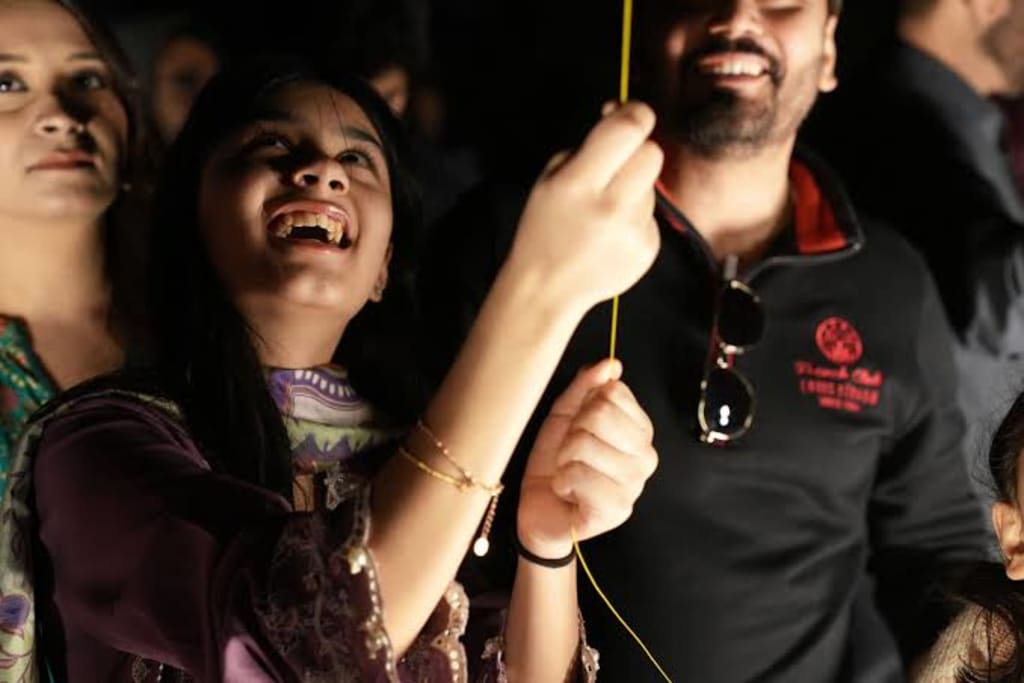
After nearly two decades of prohibition, one of the world’s most controversial kite-flying festivals has returned, drawing thousands of spectators while reigniting debate over public safety and cultural tradition. Authorities lifted a 19-year ban on the event, allowing it to resume under strict regulations aimed at preventing the deadly accidents that once made it infamous.
The festival, long celebrated for its vibrant skies and competitive spirit, had been suspended following a series of fatal incidents linked to the use of glass-coated strings, known locally as manja. These razor-sharp strings were traditionally used to cut rival kites during competitions but also caused severe injuries and deaths among participants, pedestrians, and motorcyclists.
A Tradition Revived
Organizers described the return of the festival as a moment of cultural renewal. Colorful kites once again filled the sky, accompanied by music, food stalls, and crowds gathering on rooftops and open grounds. For many residents, the revival marked a reclaiming of a cherished heritage that had been lost for a generation.
“This festival is part of who we are,” said one participant who traveled from another city to attend. “For 19 years, we have waited to see the sky look like this again.”
Local governments permitted the festival under a framework of new safety rules. Only approved cotton strings were allowed, and the sale or use of glass-coated or metallic strings was declared illegal. Police checkpoints were established near major venues, and vendors were required to show proof that their materials met safety standards.
Memories of Tragedy
The original ban followed a string of deadly accidents in the early 2000s. Sharp kite strings slashed throats of motorcyclists, entangled power lines, and caused falls from rooftops. Hospitals reported dozens of injuries every year during the festival season, including children and bystanders who were not participating in kite flying.
Public outrage over these tragedies forced authorities to suspend the celebrations indefinitely. Critics argued that tradition could not justify the loss of life, while supporters maintained that safer alternatives could preserve the festival without endangering the public.
The return of the event has therefore been met with both excitement and anxiety.
“I still remember when my cousin was injured during the old festival,” said one resident. “I’m happy it’s back, but I worry whether people will really follow the rules.”
Heavy Security and New Rules
This year’s revival featured unprecedented security measures. Police patrols monitored rooftops and public spaces, while emergency medical teams were placed on standby. Drones were reportedly used to watch for illegal kite strings, and violators faced heavy fines and possible arrest.
Authorities also launched awareness campaigns ahead of the festival, urging citizens to avoid dangerous materials and reminding them that the goal was celebration, not competition at any cost.
“This is not just about flying kites,” said a senior official involved in organizing the event. “It is about showing that we can honor tradition responsibly.”
In addition, local schools and community groups organized workshops teaching children how to fly kites safely and emphasizing respect for public spaces and electrical infrastructure.
Mixed Reactions From the Public
Crowds who attended the festival expressed relief that the event had returned in a controlled form. Many families treated it as a picnic-like gathering, with children running across open fields and elders watching from shaded areas.
Tourism officials also welcomed the revival, noting that the festival once attracted visitors from across the region. Hotels and restaurants reported increased business as travelers arrived to witness the spectacle.
However, human rights groups and safety advocates urged caution. They warned that enforcement would be the real test and that even a small lapse could result in serious injury.
“The risk has not disappeared,” said one campaigner. “Only strict compliance and constant monitoring can prevent a repeat of the past.”
A Symbol of Balance Between Culture and Safety
The return of the kite festival highlights a broader challenge faced by many societies: how to preserve cultural traditions while adapting them to modern safety standards. Similar debates have occurred around fireworks displays, animal festivals, and street celebrations worldwide.
Officials insist that the new version of the festival represents a compromise — one that allows people to reconnect with heritage without exposing the public to unacceptable danger.
Whether the revival will become a permanent fixture depends largely on what happens in the coming years. If the festival passes without major incidents, authorities are likely to continue permitting it. If accidents occur, the ban could be reinstated.
Looking Ahead
For now, the skies filled once again with color and movement, offering a powerful image of resilience and cultural pride. Many attendees described the moment as emotional, recalling stories from parents and grandparents who had once celebrated the festival freely.
“This is more than just kites,” said a young participant. “It’s about proving we can learn from the past and still celebrate together.”
As night fell and the final kites drifted down, the success of the festival rested not only in its beauty but in whether it truly marked a safer chapter in a once-deadly tradition. The coming days will determine whether this revival becomes a model for balancing heritage with responsibility — or a reminder of why the ban existed in the first place.
About the Creator
Fiaz Ahmed
I am Fiaz Ahmed. I am a passionate writer. I love covering trending topics and breaking news. With a sharp eye for what’s happening around the world, and crafts timely and engaging stories that keep readers informed and updated.
Keep reading
More stories from Fiaz Ahmed and writers in Longevity and other communities.
Roses Are Red, Violets Are Blue: Why Valentine’s Day Flowers Need a Redo
For decades, Valentine’s Day has been defined by a familiar ritual: bouquets of red roses wrapped in cellophane, paired with a card and perhaps a box of chocolates. While the tradition remains deeply ingrained in romantic culture, florists, environmental advocates, and consumers alike are beginning to question whether the holiday’s floral customs are outdated, unsustainable, and lacking in imagination. Each year, millions of roses are flown across continents to meet demand for February 14. Most of these flowers are grown in countries such as Kenya, Ecuador, and Colombia, then transported to Europe and North America in refrigerated cargo planes. By the time they reach shops, their carbon footprint is significant. According to industry estimates, Valentine’s Day accounts for one of the largest spikes in annual flower imports, with environmental costs rarely considered by buyers. Climate experts argue that the romance of roses comes with a hidden price. Energy-intensive greenhouses, chemical fertilizers, and long-distance shipping contribute to emissions and water use in already vulnerable regions. “We’ve turned flowers into a global commodity that travels thousands of miles for a single day of use,” said one sustainability researcher. “It’s emotionally meaningful but environmentally inefficient.” The Human Cost of Cheap Blooms Beyond environmental concerns, labor conditions in flower-growing regions have drawn scrutiny. Workers often face long hours, low pay, and exposure to pesticides during peak seasons such as Valentine’s Day and Mother’s Day. Advocacy groups have called for greater transparency in flower supply chains and stronger certification systems that ensure fair wages and safer working environments. While some farms have adopted ethical standards and eco-labels, these remain the exception rather than the rule. Consumers, critics say, are rarely aware of where their flowers come from or under what conditions they were produced. A Shift in Taste and Meaning At the same time, cultural attitudes toward Valentine’s Day are evolving. Younger generations are increasingly skeptical of rigid romantic scripts and mass-produced symbols of affection. Many see traditional red roses as predictable, expensive, and disconnected from personal expression. Florists report growing interest in alternative arrangements: seasonal wildflowers, dried bouquets, potted plants, and even edible gifts such as herb baskets or fruit trees. These options are often more sustainable and last far longer than cut roses that wilt within days. “People want something that reflects their partner’s personality, not just a cliché,” said a florist in London who has replaced imported roses with locally grown winter blooms. “A bouquet of winter branches and greenery can be just as beautiful and far more meaningful.” Some couples are abandoning flowers altogether in favor of shared experiences, charitable donations, or handmade gifts. The shift suggests that romance is being redefined from spectacle to intention. The Role of Social Media Social media has played a paradoxical role in both reinforcing and challenging floral traditions. Platforms such as Instagram and TikTok have long celebrated extravagant bouquets as symbols of devotion. Viral images of luxury arrangements have driven competition and consumer pressure, encouraging larger and more expensive purchases. Yet those same platforms have also fueled a counter-movement. Sustainability influencers and florists promote “slow flowers,” a philosophy that emphasizes seasonal, local, and chemical-free blooms. Tutorials on creating minimalist or reusable floral gifts have gained traction, especially among environmentally conscious audiences. Industry at a Crossroads The global flower industry now faces a crossroads between tradition and transformation. Some large retailers have begun offering eco-certified bouquets and highlighting the origins of their flowers. Others are experimenting with carbon-offset programs and recyclable packaging. Still, critics argue that these changes remain cosmetic unless demand itself shifts. Valentine’s Day, they say, exposes the tension between emotional symbolism and modern awareness of environmental and ethical responsibility. Economists also note that price inflation has affected the holiday ritual. Rising transportation costs and climate-related crop disruptions have made roses more expensive. In some markets, prices double or triple during the Valentine’s period, pushing consumers to seek alternatives. Redefining Romance Supporters of reform insist that updating Valentine’s flowers does not mean abandoning romance. Instead, it means aligning love with values such as care, sustainability, and authenticity. A locally grown bouquet, a living plant, or even a handwritten note may better reflect long-term commitment than a mass-imported rose. Cultural historians point out that Valentine’s traditions have always evolved. The red rose itself only became dominant in the 20th century, shaped by marketing and global trade. There is nothing fixed about today’s customs. “Romance is not about what you buy,” said one social commentator. “It’s about what you communicate. And communication can take many forms.” A New Valentine’s Symbol? As awareness grows, Valentine’s Day flowers may undergo a quiet transformation. Instead of uniform red roses, future celebrations could feature diverse, personal, and eco-friendly expressions of affection. Whether through locally sourced blooms, reusable gifts, or creative alternatives, the message remains the same: love can still be celebrated — just with fewer clichés and a lighter footprint. In an age defined by climate anxiety and changing social values, even something as simple as a bouquet is being reimagined. Roses may still be red and violets still blue, but the meaning of Valentine’s flowers is slowly being rewritten.
By Fiaz Ahmed about 15 hours ago in Longevity
5 Habits You Should Integrate Daily For Balance, Health, and Success
Meditate. Take a walk. Get a workout in. Read a book that grows your mind. Stretch your body and take deep breaths. These five habits may look almost too simple to matter, but that is exactly why they work. They do not require special equipment, expensive memberships, or perfect conditions. They require intention and consistency. When practiced daily, they can significantly improve how you feel physically, mentally, and emotionally.
By Destiny S. Harrisabout 3 hours ago in Longevity



Comments
There are no comments for this story
Be the first to respond and start the conversation.