
Exploring Mindfulness and Its Benefits
Hey there, mindful explorer!
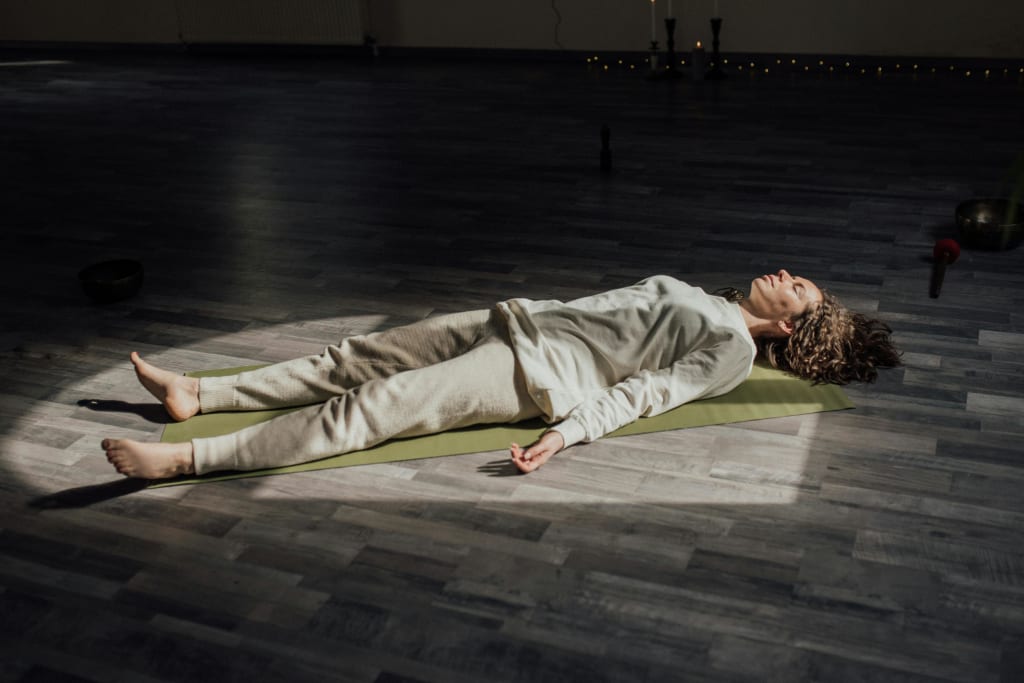
Hey there, mindful explorer! Have you ever felt like your brain is juggling a million thoughts at once—like an over-caffeinated octopus trying to solve a Rubik’s Cube? If so, you’re in the right place. Today, we’re diving into the wonderful world of mindfulness—a practice that’s all about being present, embracing the moment, and turning down the volume on the chaos of daily life. So, find a cozy spot, take a deep breath, and let’s explore the magic of mindfulness together.
What’s Mindfulness, Anyway?
At its core, mindfulness is the art of paying attention to the present moment—without judgment. It means noticing your thoughts, feelings, and bodily sensations as they arise, rather than getting swept away by them. Think of it as tuning into a favorite radio station where you get to enjoy the music of your life without interference from static.
Mindfulness can be practiced in many ways, from formal meditation sessions to simply being aware of your surroundings as you sip your morning coffee. The beauty of mindfulness is that it’s accessible to everyone—whether you’re a seasoned meditator or someone who’s never sat still for more than five minutes.
The Benefits of Mindfulness
Stress Reduction:
One of the most celebrated benefits of mindfulness is its ability to reduce stress. By focusing on the present moment, you can break free from the cycle of worrying about the past or future. It’s like pressing the pause button on a stressful movie—allowing you to catch your breath and regain control.
Enhanced Focus and Concentration:
In our multitasking world, it’s easy for your mind to scatter. Regular mindfulness practice trains your brain to focus on one thing at a time. Over time, this increased concentration can help you be more productive at work, in your hobbies, and even in your conversations with friends.
Improved Emotional Well-Being:
Mindfulness encourages a non-judgmental attitude toward your thoughts and emotions. Instead of beating yourself up for feeling anxious or sad, you learn to accept these emotions as natural parts of being human. This can lead to greater self-compassion and a more balanced emotional state.
Better Physical Health:
Believe it or not, mindfulness can have a positive impact on your body too. Studies have linked mindfulness to improved sleep, lower blood pressure, and even a stronger immune system. When you’re less stressed and more centered, your body reaps the benefits!
How to Practice Mindfulness
1. Start With Your Breath
A simple way to dip your toes into mindfulness is to focus on your breathing. Sit comfortably, close your eyes, and bring your attention to the sensation of air moving in and out of your nostrils. When your mind starts to wander (and it will), gently guide your focus back to your breath. Even just a few minutes a day can make a big difference!
2. Body Scan Meditation
Lie down or sit comfortably and slowly direct your attention through different parts of your body—starting from your toes and working your way up. Notice any areas of tension or relaxation. The goal isn’t to change anything but simply to observe. This practice not only helps you relax but also builds a deeper connection with your body.
3. Mindful Observation
Pick an object—a flower, a piece of art, or even a cup of tea—and really look at it. Notice its colors, textures, and shapes. Engage your senses fully. This exercise is a fun way to practice mindfulness without having to sit still for long periods.
4. Daily Mindfulness Moments
You don’t have to set aside long periods for formal meditation. Try to infuse mindfulness into everyday activities. Whether you’re eating, walking, or even washing dishes, take a moment to really feel and observe what you’re doing. Savor the taste of your food, notice the rhythm of your steps, and listen to the sound of running water.
Overcoming Common Challenges
Let’s be honest—sitting in stillness can be challenging, especially if you’re used to a busy, buzzing mind. Here are some tips to help you stay on track:
Be Patient:
Mindfulness is a skill that takes time to develop. Don’t get discouraged if your mind wanders frequently. Each time you bring your focus back, you’re strengthening your mindfulness muscle!
Start Small:
Begin with short sessions—maybe five minutes a day—and gradually increase the time as you become more comfortable. Even a little practice can have a big impact.
Use Guided Meditations:
There are plenty of free apps and videos that offer guided mindfulness meditations. A gentle voice guiding you through the process can be incredibly helpful, especially when you’re just starting out.
Embrace Imperfection:
Mindfulness isn’t about perfection; it’s about awareness. There’s no right or wrong way to practice. Some days, you might feel totally in tune with yourself, and other days, not so much. That’s all part of the journey.
Wrapping It Up
Mindfulness is more than just a buzzword—it’s a powerful tool that can help you navigate the ups and downs of life with greater ease and clarity. By taking just a few moments each day to tune into the present, you can reduce stress, boost your focus, and improve your overall well-being. So go ahead, give mindfulness a try. Start with a deep breath, and let the simple act of being present transform your day.
Happy mindful living, and may each moment bring you peace, clarity, and a little bit of magic!
About the Creator
How Trackless Mining Equipment Suppliers in China Operate in 2026
When searching for reliable trackless mining equipment manufacturers in China, the options get overwhelming fast. You jump on a supplier portal and suddenly see thousands of identical looking machines. Buying heavy machinery for a mine is not like ordering basic office supplies. If a loader breaks down three miles underground, the whole production schedule stops immediately. The financial hit is massive. Finding the right factory matters a lot more than just getting a cheap price tag on a shiny new vehicle.
By CEO A&S Developersa day ago in Longevity




Comments
There are no comments for this story
Be the first to respond and start the conversation.