
Excavator Swing Motor Power Drive
Enhances rotation, boosts performance, ensures smooth excavator operation.
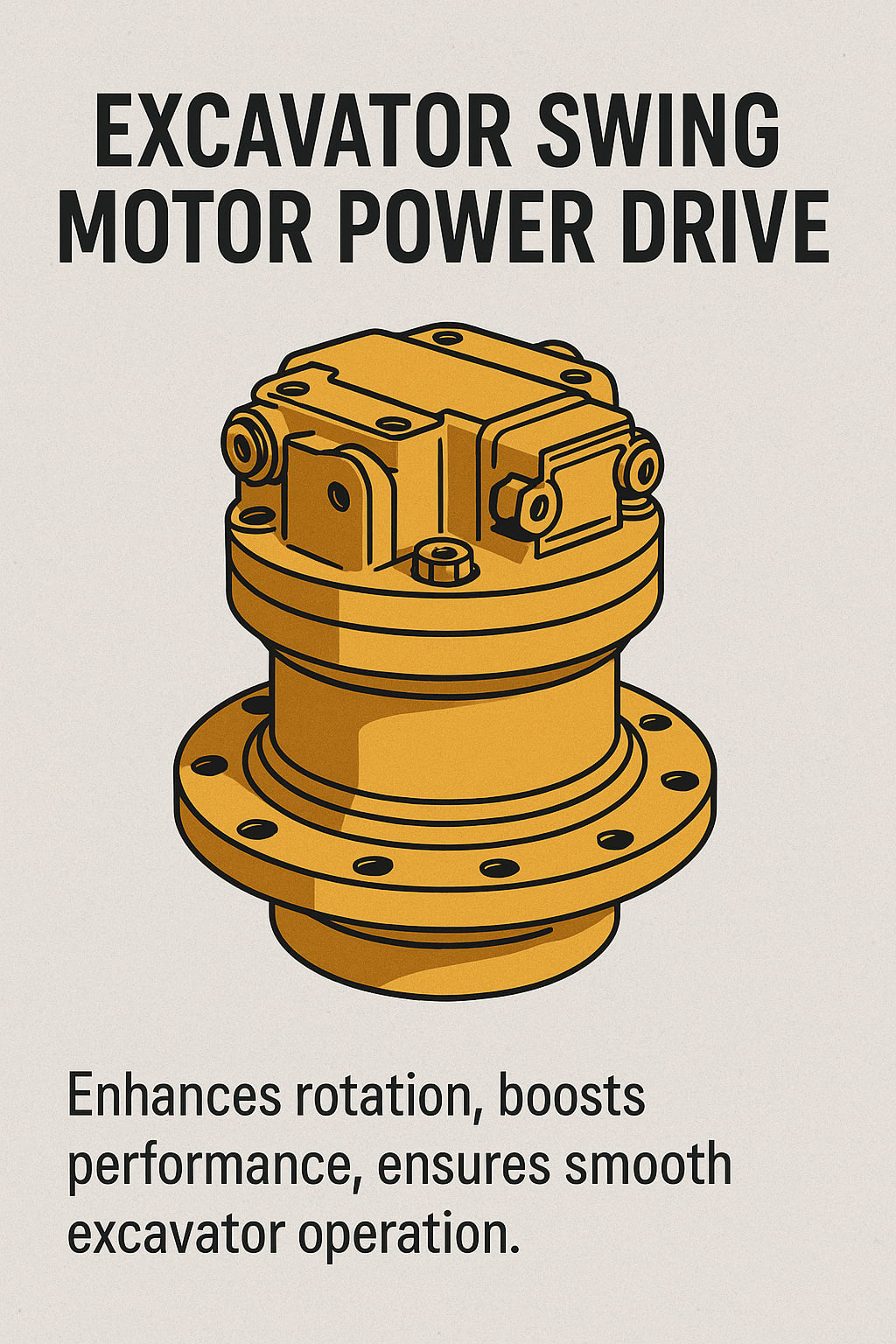
Understanding the Excavator Swing Motor Power Drive: Key to Efficiency and Precision
In the world of heavy construction machinery, few components are as critical to functionality and productivity as the swing motor power drive in an excavator. Often overshadowed by the boom, bucket, or tracks, this essential part plays a pivotal role in ensuring precise rotation, smooth movement, and reliable operation. Whether on a large construction site or in a confined urban excavation, the swing motor is the unsung hero of efficient machine operation.
What Is an Excavator Swing Motor?
The swing motor is a hydraulic or electric-powered component that enables the upper structure of an excavator—including the boom, arm, and cab—to rotate 360 degrees. It is typically located in the swing drive assembly, which transmits the motor’s torque to the slewing ring, facilitating the movement of the upper body. This mechanism is vital in allowing the operator to reposition the boom and bucket without relocating the entire machine.
Swing motors are generally powered by the excavator's main hydraulic system, using pressurized fluid to generate rotational force. This drive system must be powerful enough to handle the dynamic loads of digging and lifting while offering precise control.
Core Components of the Swing Motor System
1. Hydraulic Motor: The heart of the system, it converts hydraulic pressure into mechanical rotation.
2. Swing Drive Gearbox: Transfers power from the motor to the slewing ring.
3. Slewing Ring (Swing Bearing): A large bearing that supports the upper structure and allows it to rotate.
4. Brake System: Ensures the swing stops safely and holds position under load.
5. Control Valves: Regulate the flow of hydraulic fluid for controlled movement.
Together, these parts create a seamless motion system that makes the excavator a versatile and precise machine.
Why Is the Swing Motor Power Drive So Important?
In modern construction environments, efficiency and precision are non-negotiable. The swing motor ensures that the operator can maneuver the bucket exactly where needed—whether it’s moving earth, loading a dump truck, or reaching tight corners.
Here’s why this system is indispensable:
Increased Productivity: Faster, smoother rotations lead to shorter cycle times.
Improved Safety: Controlled and predictable movements reduce the risk of accidents.
Higher Precision: Fine movement control enables accurate placement of materials.
Less Wear and Tear: Efficient power transmission reduces strain on the machine’s frame and components.
Common Types of Swing Motors
1. Axial Piston Motors: Known for high efficiency, ideal for medium to large excavators.
2. Radial Piston Motors: Provide higher torque at lower speeds; often used in larger machines.
3. Gerotor Motors: Compact and economical; used in small to medium applications.
Choosing the right type depends on the machine size, operating conditions, and required torque.
Signs of Swing Motor Problems
Given the crucial role it plays, swing motor failure can halt operations and lead to costly downtime. Operators and maintenance crews should watch for these warning signs:
Unusual Noise During Rotation: May indicate worn gears or bearings.
Slow or Erratic Swing Movement: Could be due to low hydraulic pressure or valve issues.
Oil Leaks: Often a sign of a worn seal or housing crack.
Inability to Hold Position: Might mean brake failure or hydraulic leakage.
Routine inspection and timely repairs are vital to prolonging the life of the swing motor.
Maintenance Tips for Longevity
Like all hydraulic components, the swing motor requires regular attention to ensure optimal performance:
Check Fluid Levels: Always maintain the correct hydraulic fluid levels.
Inspect for Leaks: Early detection can prevent major breakdowns.
Clean the Area: Keep the motor and surrounding area free from dirt and debris.
Use Quality Lubricants: Poor-quality oils can lead to internal damage.
Follow Manufacturer Guidelines: Always adhere to the maintenance schedule and torque settings.
Proper care not only reduces downtime but also extends the service life of both the motor and the entire excavator.
Technological Advancements in Swing Motors
With advancements in technology, modern swing motors come with features that enhance both safety and efficiency. These include:
Load-Sensing Hydraulics: Adjusts flow based on the load, reducing energy consumption.
Integrated Sensors: Provide feedback to onboard computers for real-time monitoring.
Compact Designs: Smaller, more powerful units reduce weight without sacrificing performance.
Such innovations not only benefit operators but also reduce environmental impact by improving fuel efficiency.
Conclusion
The excavator swing motor power drive may not always be in the spotlight, but its role is central to the machine's performance. It ensures smooth, controlled, and powerful rotation, making precise digging and material handling possible. By understanding its function, recognizing potential issues, and performing regular maintenance, operators and contractors can keep their equipment running smoothly and efficiently.
In today’s fast-paced construction industry, where every second and movement counts, investing in a high-quality swing motor and maintaining it properly is not just a smart move—it’s essential for long-term success.
About the Creator
Keep reading
More stories from Mukhtiar Ahmad and writers in Longevity and other communities.
"High-Power 50HP Electric Drive Motor"
Unleashing Power and Efficiency: The 50HP Electric Drive Motor for Industrial and Commercial Use In today’s competitive industrial landscape, the demand for powerful, reliable, and energy-efficient motors has never been greater. One standout solution is the 50HP Electric Drive Motor, a robust machine that serves as the backbone of numerous industrial and commercial operations. From manufacturing plants to HVAC systems and large-scale water pumps, this motor plays a crucial role in maintaining consistent productivity and operational stability.
By Mukhtiar Ahmad10 months ago in FYI
The Hardware of Exhaustion
Right now, human well-being sits in contradiction. Though today’s medicine reaches further than ever before, ongoing tiredness, stress, and deep exhaustion mark more lives than before. Individuals log rest hours, fine-tune food intake, wear gadgets that follow heartbeat rhythms - still, simply existing inside a present-day physical form feels overwhelmingly draining to vast numbers across the globe. Most doctors see tiredness as either a brain chemistry issue or a mental weakness. People get advised to handle pressure better, use vitamins, or try focused breathing. Yet could today’s weariness stem not from molecules inside us? Perhaps the cause hides within how information flows around us instead.
By Dr Marc Nocka day ago in Longevity
How to Create a Relaxing Spa Environment with Himalayan Salt Wall Panels
Creating a relaxing spa environment requires more than soft music and essential oils. Interior design plays a crucial role in shaping how clients feel the moment they enter a space. Himalayan salt wall panels have been integrated into a highly significant design component in contemporary wellness buildings due to their integration of natural beauty with relaxing light. These tiles are salt bricks and Himalayan salt tiles and are used to create warmth and texture and a therapeutic atmosphere, which is completely in line with spa and wellness settings. Their natural pink and amber colors immediately transform the interiors to make treatment rooms calm and friendly.
By David Smith3 days ago in Longevity
Guard Your Battery
Why are some people so attractive just by standing there? It’s not because they are "likable," but because they don’t need everyone to like them. I realized later that truly charismatic people allow themselves to be criticized, but they never criticize themselves. They never try to please the world; instead, the world stops to watch them.
By Emily Chan - Life and love sharing3 days ago in Poets


Comments
There are no comments for this story
Be the first to respond and start the conversation.