
Enhance Your Stability with Dynamic Balance Exercises
Master Your Movement through Dynamic Balance Exercises

Why Dynamic Balance is Important
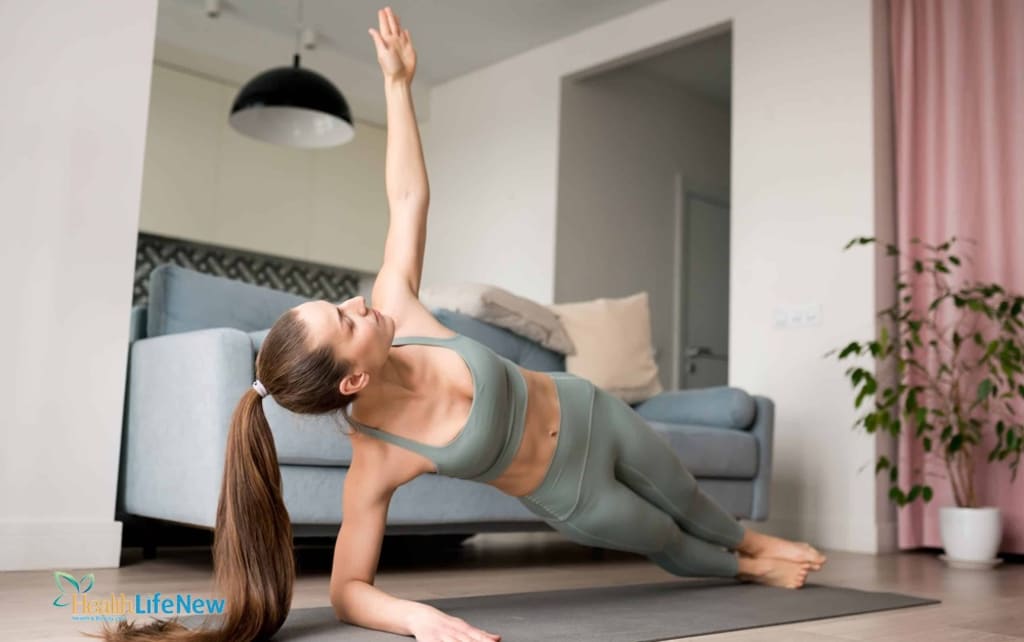
Dynamic balance refers to the ability to maintain stability while moving. It plays a crucial role in various daily activities such as walking, running, bending, or changing directions. As we age, maintaining balance becomes even more important to prevent falls and maintain independence. For athletes, improving dynamic balance is key to enhancing performance and preventing injuries.
Additional Benefits of Dynamic Balance Exercises
Improved Proprioception: Proprioception is the body's ability to sense its position in space. Dynamic balance exercises enhance proprioception, helping you to react faster and more efficiently when off balance.
Enhanced Core Stability: Many dynamic balance exercises engage the core muscles, which are essential for maintaining posture and reducing the risk of lower back injuries.
Better Coordination: As you improve dynamic balance, you also improve your ability to coordinate movements, making everyday tasks and sports easier.
Injury Prevention: Strengthening stabilizing muscles around joints through balance exercises can prevent common injuries such as ankle sprains or knee injuries, particularly in sports.
Progression of Dynamic Balance Exercises
Balance exercises can be progressively made more challenging by adjusting different variables:
Reducing base of support: Exercises like single-leg deadlifts or standing on one leg reduce your base of support, making balance more challenging.
Adding movement: Incorporating upper body movements (like arm reaches or torso rotations) while balancing can increase difficulty.
Closing the eyes: When you close your eyes, you remove the visual feedback that helps with balance, forcing your body to rely more on proprioception.
Incorporating unstable surfaces: Using tools like a Bosu ball, balance boards, or simply standing on a pillow or foam surface adds instability, requiring more effort to maintain balance.
Speed: Increasing the speed of movement in exercises like high knee walking or lateral stepping can improve dynamic balance under more physically demanding conditions.
Specific Exercises and How to Make Them More Challenging:
1. Walking Heel to Toe (Tandem Walk)
- Progression: Start with eyes open, then try closing your eyes to remove visual cues.
- Advanced: Walk backward in the same heel-to-toe motion, or try doing it on an unstable surface like grass or sand.
2. Single-Leg Deadlift
- Progression: Begin with both hands reaching forward, then try using just one hand. Add a light weight or dumbbell in the hand reaching down for added challenge.
- Advanced: Perform this exercise on a soft surface like a foam pad or add a slight rotation in your torso as you reach forward.
3. Lunges with Rotation
- Progression: Use a medicine ball or weight to rotate the torso during the lunge.
- Advanced: Perform this exercise on a Bosu ball or unstable surface, or increase the speed of the movement.
4. Standing Leg Swings
- Progression: Swing the leg faster while maintaining balance on the opposite foot.
- Advanced: Add a forward and backward arm motion while swinging the leg to challenge coordination, or close your eyes to engage proprioception more intensely.
5. High Knee Walking
- Progression: Increase the speed of your steps, or incorporate arm movements (e.g., overhead reach) while performing the exercise.
- Advanced: Perform the exercise while walking backward or sideways.
6. Step-Ups with Knee Drive
- Progression: Add weights to make the movement more challenging. Holding dumbbells while stepping up will engage the core and arms.
- Advanced: Try stepping onto an unstable surface like a foam pad or use a higher platform for step-ups.
7. Bosu Ball or Balance Board Exercises
- Progression: Start with basic standing or squatting movements on the balance board.
- Advanced: Add more dynamic exercises like single-leg deadlifts or lunges on the Bosu ball for additional balance challenge.
8. Lateral Step Over (with or without Resistance)
- How to do it: Set up a low object (like a step or a cone) and step laterally over it. Focus on a smooth and controlled motion while engaging your core.
- Progression: Increase the height of the object or add a resistance band around your thighs to increase difficulty.
- Advanced: Perform the same exercise, but add a jump as you step over, or land on one leg instead of two to further challenge your dynamic balance.
Incorporating Dynamic Balance into Everyday Activities
You can integrate dynamic balance exercises into your daily routine without needing a formal workout session:
While brushing your teeth: Stand on one leg or perform heel-to-toe walks around the bathroom.
During TV time: Perform lunges or high knee walks during commercial breaks.
Outdoor activities: Walking on a trail, hiking, or jogging on uneven surfaces can naturally incorporate balance work.
Housework: As you move around the house, try walking on your toes or heels, or make sideways movements to engage the stabilizing muscles in your legs and core.
Safety Tips
Start slow: If you're new to balance training, start with basic exercises and build up gradually.
Use a stable surface: When progressing to more challenging exercises, make sure to practice near a wall or something you can hold onto for safety.
Engage the core: Many balance exercises require core stability, so remember to keep your core muscles engaged for better control and reduced risk of injury.
With consistency, dynamic balance exercises can help you feel more grounded, improve movement efficiency, and increase overall body awareness.
About the Creator
Health Life New
Welcome to Healthy Life New | Creates A Healthy And Happy Life, Your guide to a balanced and fulfilling life. Find health tips, wellness advice, and inspiration for happiness. Healthy Life New offers the best in health and wellness.
Keep reading
More stories from Health Life New and writers in Longevity and other communities.
Ignite Your Heart with Cardio Without Equipment
Cardio without equipment is an essential aspect of fitness that allows individuals to elevate their heart rates and burn calories without the need for a gym or any special gear. This form of exercise can be performed anywhere, making it highly accessible for those who may not have the time or resources to invest in fancy machines or memberships. By focusing on bodyweight exercises, running, jumping, and even dancing, anyone can incorporate effective cardiovascular workouts into their daily routine. Not only does this provide a sense of freedom and creativity, but it also encourages individuals to explore new ways to activate their bodies, strengthen their hearts, and improve their overall health.
By Health Life Newabout a year ago in Longevity
Calm History Podcast
It is always amazing, and somewhat disturbing, how humans can mess up the most basic of processes. They eat ultra-processed foods. They drink too much alcohol. Their behavior with sex ranges from the bizarre to the toxic to the violent. Humans even mess up sleep. Ever see a dog with insomnia? According to the American Academy of Sleep Medicine, approximately 10% to 30% of adults worldwide suffer from insomnia at any given time, with up to 50% of people experiencing it in a given year. In the U.S., roughly 25 to 30 million people struggle with insomnia, and about 12% of adults have been diagnosed with chronic insomnia.
By Frank Racioppi4 days ago in Longevity
Two Grumpy Old Men Solve the Problem
Marty and Steve were two grumpy old men who lived together. They had known each other for years. Marty had been a bachelor all his life. Steve said it was because no one could stand to ever live with. Marty’s standard reply was “Well, you are, so what sort of a moron does that make you!”
By Calvin London2 days ago in Humor




Comments
There are no comments for this story
Be the first to respond and start the conversation.