
Educated Zombies
Why Nap Time Means a Better Education

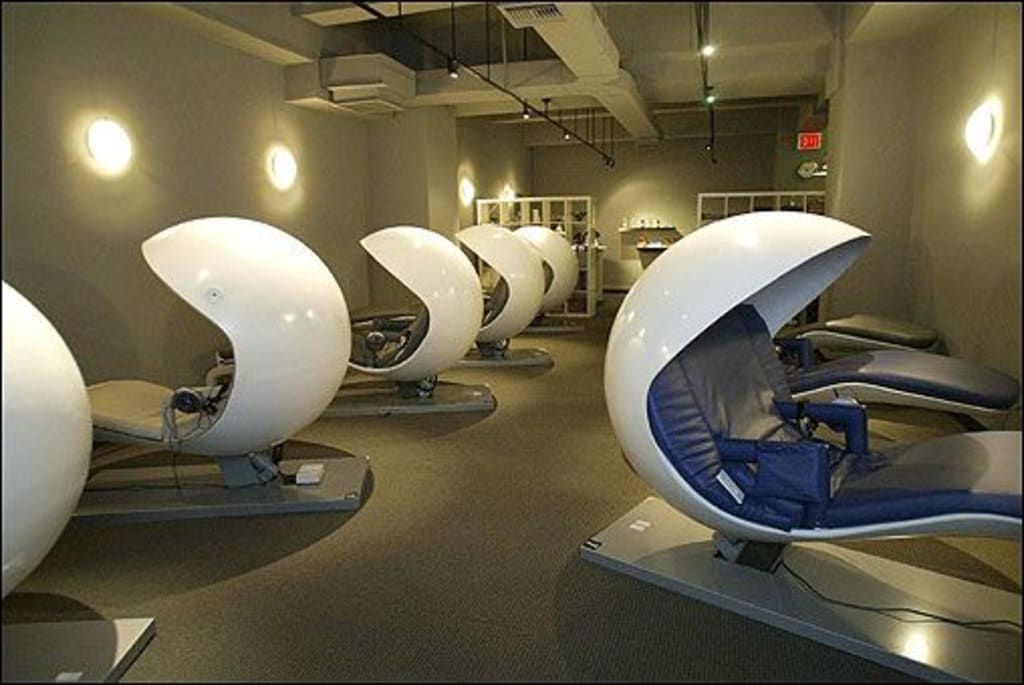
You look down at your feet as you climb the steps, eyes swollen and heavy from the all-nighter you pulled to finish all of your college class homework, and can’t help but wonder if all your hard work is worth it. Website Grown and Flown says only 15 percent of teenagers are getting the recommended 8-10 hours of sleep. What does that do to a person?
An average person sleeping 9 hours would have about five REM cycles. REM stands for Rapid Eye Movement. This is a stage in your cycle where you are in a deep sleep, but you are dreaming. If you happen to wake up in the middle of a REM cycle, you tend to remember what you were dreaming. The first stage of sleep is called the Twilight Stage; this is when we first lie down. The next cycle is called the NREM cycle. NREM stands for Non-Rapid Eye Movement.You experience this three times during the night. This cycle happens so your body can relax and rest, and your brain goes to “idle”, which means that there is still brain activity, but no organization of your thoughts and processes.
Rodney Wedig, a current Psychology teacher at Beloit Memorial High School, explains, “If you don’t get [8-10 hours], you don’t go into your full number of REM [cycles], your Circadian Rhythm could be off, especially if you’re sleeping at random times.” A Circadian Rhythm is a sequence of behavioral changes occuring in a 24 hour period. He continues to explain that “for the most part you don’t want to get woken up out of a deep sleep, but it’s also important that you have a regular sleep cycle.”
Most students only get 6-7 hours of sleep due to juggling homework, school, work and extracurricular activities. Junior Megan Larsen explains that she only sleeps between 6-8 hours because she stays at work until 11, then finishes up on homework. Even though Larsen sleeps so little, her academics are in good standing. But she feels that “health is better than good grades.” Kathleen Davis wrote an Article on the site Medical News Today called “What’s To Know About Sleep Deprivation?” Davis explains that some symptoms of sleep deprivation are difficulty learning new concepts, forgetfulness, inability to concentrate, and a big list of more serious symptoms. Megan, even without sleep, seems to succeed in her daily life.
Junior Hunter Dailey sleeps for only 5-6 hours after working for 9 hours after school. Homework is a constant stress for him, but he manages to keep his grades to a passing level. Dailey admits that he often spends his nights chatting with his girlfriend and scrolling through social media. The site DoSomething.org gives interesting facts about cell phones and the sizable effect they have on teenagers, and explains that the blue light from our phones suppresses melatonin; the brain chemical that helps make us feel tired, and makes it much more difficult to fall asleep. Wedig explains how his son admits to spending his nights on social media rather than sleeping, “You really have to put down the phone.”
Now that we know the symptoms and the effects of sleep deprivation, we have to find a solution. Schools have been bringing Nap Pods to light rather than pushing back school start time. From the Grown and Flown site, they tell about a high school in Japan 10 years ago that had a dramatic rise in test scores when they encouraged midday naps.
Patti Neighmond from NPR captured Dr. Nitun Verma, a sleep expert, say that a short nap “can give a boost to memory and attention during the day and it can increase school performance.” Neighmond also found that students who often went into the pod feeling angry or stressed, came out feeling refreshed and “more in control of their emotions.” Mrs. Wells agrees with the effect of nap time, “Places that have nap periods have shown positive benefits, it would be good.”
Students from BMHS also have a say in nap times. Hunter Dailey claims that napping would help increase the productivity of our student peers. Junior Roger Davis exclaims “Why spend so much pent up time in a classroom when you know they’re gonna fall asleep.” Wedig suggests standing up or walking around the room once per block helps with this daytime tiredness. But during a lecture, he explains that around lunch time or fourth block is when students need to regenerate, or take a nap to refresh their minds.
Students often found nap-time appealing, and no students were encountered with negative feelings of nap-time at school. Research supported power naps, and no negative evidence was found about power napping during the day. But now that we know everything about being healthy in this way, what can we do to fix our sleeping issues?
As parents, we can encourage schools to enforce nap time. For students, create a way to encourage staff to let you all have nap time. Give them options and be persuasive! Bring it to the school board and let yourself be heard. Take naps and be healthy!
Origially Written in October of 2018 in my Junior year of High School.
About the Creator
Keep reading
More stories from writers in Longevity and other communities.
How Trackless Mining Equipment Suppliers in China Operate in 2026
When searching for reliable trackless mining equipment manufacturers in China, the options get overwhelming fast. You jump on a supplier portal and suddenly see thousands of identical looking machines. Buying heavy machinery for a mine is not like ordering basic office supplies. If a loader breaks down three miles underground, the whole production schedule stops immediately. The financial hit is massive. Finding the right factory matters a lot more than just getting a cheap price tag on a shiny new vehicle.
By CEO A&S Developers2 days ago in Longevity




Comments
There are no comments for this story
Be the first to respond and start the conversation.