
DUI Vs. Texting While Driving - Learn With Get Drivers Ed
Title: DUI vs. Texting While Driving: A Comprehensive Analysis by Get Drivers Ed

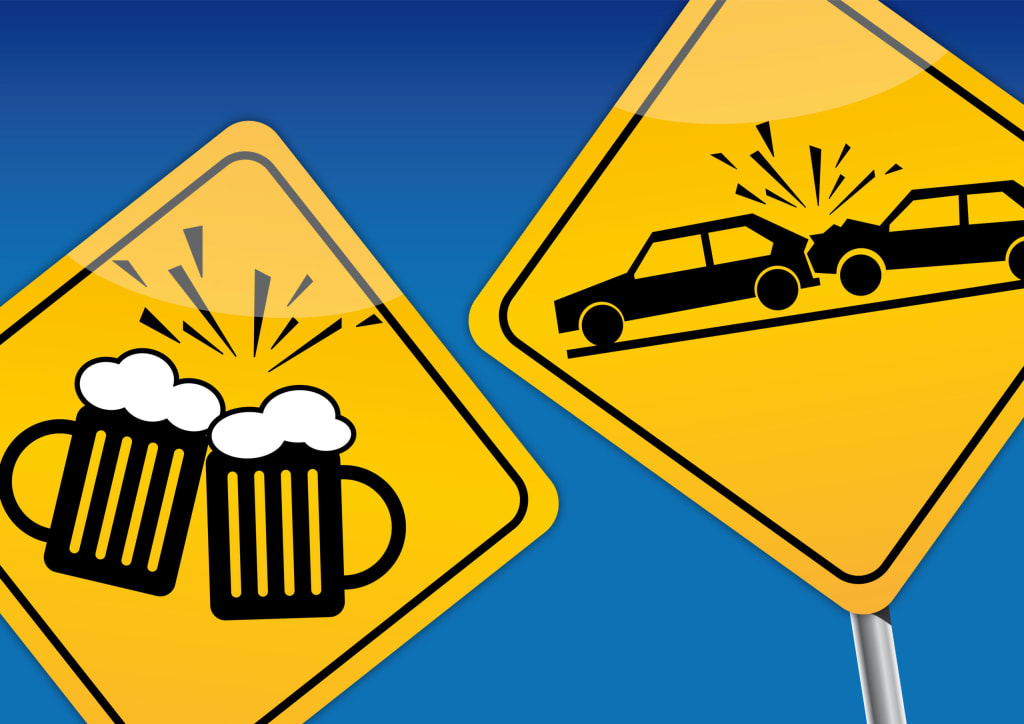
DUI vs. Texting While Driving: A Comprehensive Analysis by Get Drivers Ed
In the realm of road safety, two of the most perilous behaviors that drivers can engage in are driving under the influence (DUI) and texting while driving. These actions not only endanger the driver but also pose a significant threat to others on the road. At Get Drivers Ed, we prioritize educating our students about the severe risks and legal ramifications associated with both DUI and texting while driving. Through our drivers ed courses, we aim to impart a deep understanding of these dangers. This detailed blog post delves into the comparative analysis of DUI and texting while driving, exploring their impacts, legal consequences, and prevention strategies.
In-Depth Comparison of DUI and Texting While Driving
1.Understanding the Risks: Both DUI and texting while driving dramatically increase the risk of accidents. DUI impairs cognitive functions and motor skills, leading to poor judgment and delayed reaction times. Texting while driving, on the other hand, causes a significant distraction as it diverts the driver's attention and eyes from the road, leading to a form of 'visual' impairment.

2.Legal Implications: DUI is often considered a more severe offense in the eyes of the law, typically resulting in harsher penalties including heavy fines, license suspension, and even imprisonment. Texting while driving, while generally carrying lighter penalties, can still lead to substantial fines and, in some cases, criminal charges, especially if it results in an accident.
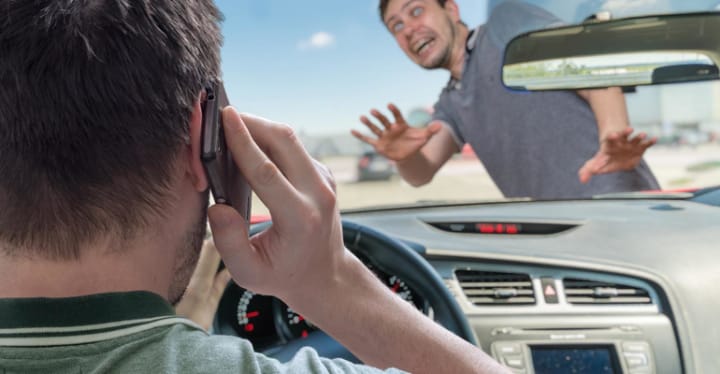
3.Comparative Impact on Driving Ability: DUI affects a driver's judgment, reaction time, and motor skills, compromising their ability to operate a vehicle safely. Texting while driving, although different in nature, is equally dangerous. It causes cognitive distraction, as the driver's focus shifts from the road to the phone, increasing the likelihood of missing critical cues and making poor driving decisions.
4.Prevention Strategies: Education and awareness are key components in preventing both DUI and texting while driving. Drivers ed courses play a crucial role in highlighting the dangers of these behaviors and promoting responsible driving habits. Encouraging open discussions about the consequences of impaired and distracted driving can significantly reduce the incidence of these behaviors.
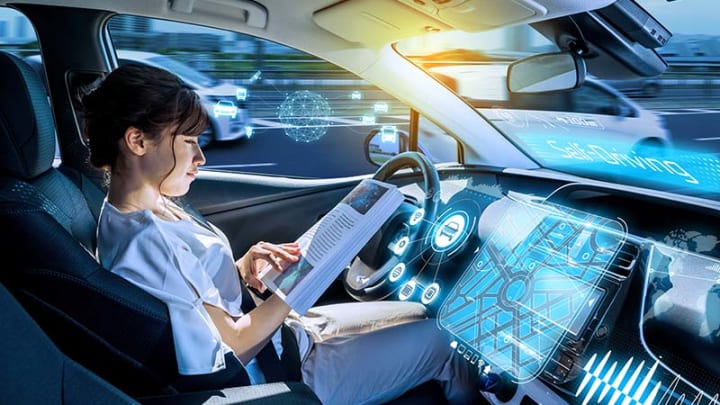
5.Technological Interventions: Modern vehicles are increasingly equipped with features designed to discourage texting while driving, such as hands-free systems and smartphone integration that limit manual interaction. However, the most effective solution remains the driver's self-discipline and commitment to focused driving.
6.Societal Perception and Stigma: DUI has long been stigmatized due to its clear and well-publicized dangers. Texting while driving, while increasingly recognized as a serious threat, often lacks the same level of societal condemnation. Changing this perception is crucial in elevating the seriousness with which texting while driving is viewed.
7.Role of Law Enforcement: Law enforcement agencies play a critical role in combating both DUI and texting while driving. Regular checkpoints, stringent enforcement of laws, and public awareness campaigns are essential in deterring these behaviors.
8.Impact on Insurance and Financial Consequences: Being convicted of DUI or caught texting while driving can lead to increased insurance premiums. These financial penalties serve as an additional deterrent, emphasizing the economic impact of irresponsible driving behaviors.
9.Techniques for Behavioral Change: Beyond legal and technological solutions, promoting behavioral change is essential. This includes encouraging drivers to adopt safer habits, such as designating a sober driver or using auto-reply features on mobile devices to avoid texting while driving.
10.The Role of Peer Influence: Peer influence can be a powerful tool in discouraging DUI and texting while driving. Friends and family members can play a proactive role in preventing these behaviors by speaking up and intervening when necessary.
11.Educational Programs and Campaigns: Comprehensive educational programs and public campaigns are vital in raising awareness about the dangers of DUI and texting while driving. These programs should aim to reach a wide audience, including young drivers who are often at higher risk.
12.Personal Responsibility and Community Involvement: Fostering a sense of personal responsibility and community involvement is key. When individuals understand the impact of their actions on the wider community, they are more likely to make responsible choices.
13.Evolving Legal Frameworks: As technology and societal attitudes evolve, so too do the legal frameworks surrounding DUI and texting while driving. Staying informed about these changes is important for all road users.
14.Global Perspectives and Practices: Examining how different countries address DUI and texting while driving can provide valuable insights and best practices that can be adopted elsewhere.
Both DUI and texting while driving are serious offenses with far-reaching consequences. They not only compromise the safety of the driver but also pose a grave risk to others on the road. At Get Drivers Ed, we are committed to instilling responsible driving habits in our students, emphasizing the importance of staying sober and focused while behind the wheel. To learn more about safe driving practices and to enroll in our comprehensive driving courses, visit Get Drivers Ed at https://getdriversed.com
About the Creator
Get Drivers Ed
Discover expert tips, driving safety insights, and the latest trends from Get Drivers Ed. Your online guide to mastering the road. Learn, drive, and lead!
Keep reading
More stories from Get Drivers Ed and writers in Longevity and other communities.
Top Safe Vehicles For New Drivers - Choose With Get Drivers Ed
A Comprehensive Guide to Choosing Safe Vehicles for New Drivers - Insights from Get Drivers Ed Selecting the right vehicle is a pivotal decision for first-time drivers, as it directly impacts their safety, reliability, and overall driving experience. At Get Drivers Ed, we not only provide thorough drivers education but also offer guidance in choosing the safest vehicles for new drivers. In this guide, we will explore some top picks that strike a balance between safety and practicality, ensuring that new drivers embark on their journeys with confidence and security.
By Get Drivers Ed2 years ago in Education
Benefits of Hyperbaric Oxygen Therapy
In recent years, hyperbaric oxygen therapy (HBOT) has gained significant interest from both the medical community and wellness enthusiasts. Originally developed to treat deep-sea divers suffering from decompression sickness, hyperbaric chambers are now used for a wide range of medical conditions and recovery purposes. As research continues to expand, many people are discovering how powerful oxygen therapy can be when delivered in a controlled, pressurized environment.
By AnthonyBTV2 days ago in Longevity
The Physical and Mental Benefits of Helping Others
In the neverending pursuit toward longevity, one thread stands out time and time again: the connections we build with other people are the key healthy aging. Community involvement and volunteering play a significant role in improving both physical and mental health. When individuals actively participate in helping their communities—whether through local organizations, charities, schools, or neighborhood projects—they often experience meaningful benefits that extend beyond the act of service itself. By fostering social connections, encouraging active lifestyles, and providing a sense of purpose, volunteering can contribute to overall well-being and a healthier society.
By Andrew Elsoffera day ago in Longevity




Comments
There are no comments for this story
Be the first to respond and start the conversation.