
Does AA Work?
Open To Debate podcast tackles that question in its latest episode.

Last week, the U.S. Surgeon General issued a sobering report about the cancer risks linked to something that most Americans enjoy frequently: an alcoholic beverage.
In the advisory, Dr. Vivek Murthy outlined the substantial evidence behind the increased risk of developing seven types of cancers among people who consumed as little as one daily drink, or even fewer.
"What we know with a high degree of confidence is that there is a causal link between alcohol and cancer risk," says Murthy as reported by Time Magazine. "The data has been building for some time and getting stronger and stronger."
The advisory cites alcohol as the third leading preventable cause of cancer in the U.S. after tobacco and obesity and notes that there are about 20,000 alcohol-related cancer deaths in the country annually. That's more than the yearly number of alcohol-associated traffic crash fatalities.
From a 30,000-foot view, alcohol damages your DNA, which increases your cancer risk. This occurs through several different mechanisms. For example, our DNA can be damaged by acetaldehyde, the toxic metabolite alcohol is broken down to in our body, or by the oxidative stress alcohol causes.
Alcohol also alters hormone levels in our body, such as estrogen, which likely explains alcohol’s relationship with increased breast cancer risk. Not only does alcohol directly damage our DNA, but it also increases the absorption of cancer-causing chemicals, or carcinogens, into the body. So, while we may think of a glass of wine or beer as calming or relaxing for our body, it – in fact – does the exact opposite, causing inflammation.
With that development in mind, the Open to Debate podcast has again crafted an episode that is timely and critical.
Last year, a quarter of all Americans participated in Dry January -- it’s a popular campaign -- where one voluntarily abstains from alcohol for the entire month.
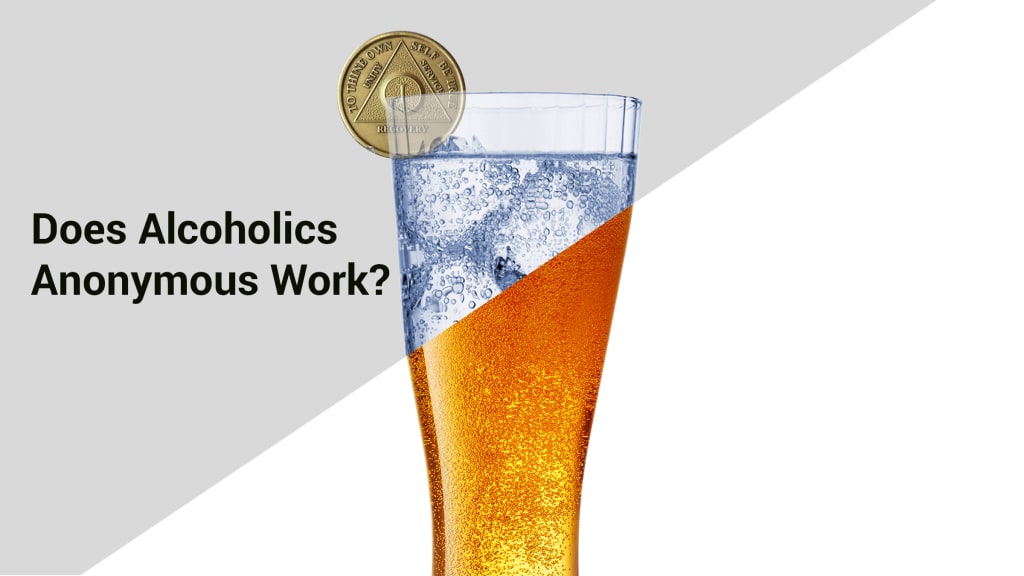
One outcome of Dry January for many — quitting alcohol entirely — is at the heart of this week’s episode of Open to Debate where the show discusses the group Alcoholics Anonymous (AA), which promotes a recovery process based on personal accountability, spiritual growth, and abstinence from alcohol while following the 12-step path.
But with 28.9 million people suffering from Alcohol Use Disorder in the past year, what are the pros and cons of different pathways for support? Supporters of Alcoholics Anonymous point to the millions of people worldwide who say AA saved their lives and credit its peer-driven, community-based approach. Those who think there might be better ways than the zero-sum approach of AA say it doesn’t work for everyone and that addiction often can require clinical interventions, such as therapy and medication.
Two experts on alcohol addiction and recovery debate whether AA works this week. Arguing “yes” is Dan Griffin, a speaker and author of “A Man’s Way Through the 12 Steps.” Arguing “no” is Adi Jaffe , the founder of the IGNTD recovery program and the author of the forthcoming book “Unhooked: Freeing Yourself From Addiction Forever.” Nayeema Raza, journalist and co-host of the Semafor Podcast “Mixed Signals”, guest moderates.
Open to Debate is a call to action: All of us should keep an open mind to solve the complex problems we face as individuals and as a nation.
Open to Debate is a reminder: To solve our greatest problems, we must operate in a contempt-free zone. We need to be able to sit in the same room and exchange ideas with people we disagree with. Being open to debate is a gesture of respect for the good faith arguments of those we disagree with, for the intelligence and integrity of those who watch or listen, and for the value of debate done right.
Does AA work? Listen to the debate now.
About the Creator
Frank Racioppi
I am a South Jersey-based author who is a writer for the Ear Worthy publication, which appears on Vocal, Substack, Medium, Blogger, Tumblr, and social media. Ear Worthy offers daily podcast reviews, recommendations, and articles.
Keep reading
More stories from Frank Racioppi and writers in Longevity and other communities.
The Hidden Cost of "Safe" Senior Living: When Retirement Dreams Turn Into Legal Battles
Older Americans often view senior housing as a reward after years of effort. These places, such as self-contained apartments or full-service retirement homes, advertise professional care, calm routines, and peace of mind. Loved ones might picture them as quiet refuges.
By William Powell5 days ago in Longevity
Why Nutrition During Pregnancy Matters More Than You Think
Pregnancy is one of the most important stages in a woman’s life, not only emotionally but also nutritionally. During these nine months, the body works continuously to support the growth and development of a new life. Because of this, nutrition plays a crucial role in ensuring both the mother and the baby remain healthy.
By Being Inquisitive33 minutes ago in Longevity
Silken Chains
Silhouettes of the female form were given flesh and bone. Silken skin glistened under the spotlight. Dry ice rose around our Icons as they danced atop their podiums in the Square. Heralded for their beauty, their movements were slight, powerful, and sensual.
By Paul Stewart5 days ago in Fiction


Comments
There are no comments for this story
Be the first to respond and start the conversation.