
Do you have stress about your OBESITY?
If your BMI is 18.5 to <25, it falls within the healthy weight range. If your BMI is 25.0 to <30, it falls within the overweight range. If your BMI is 30.0 or higher, it falls within the obesity range
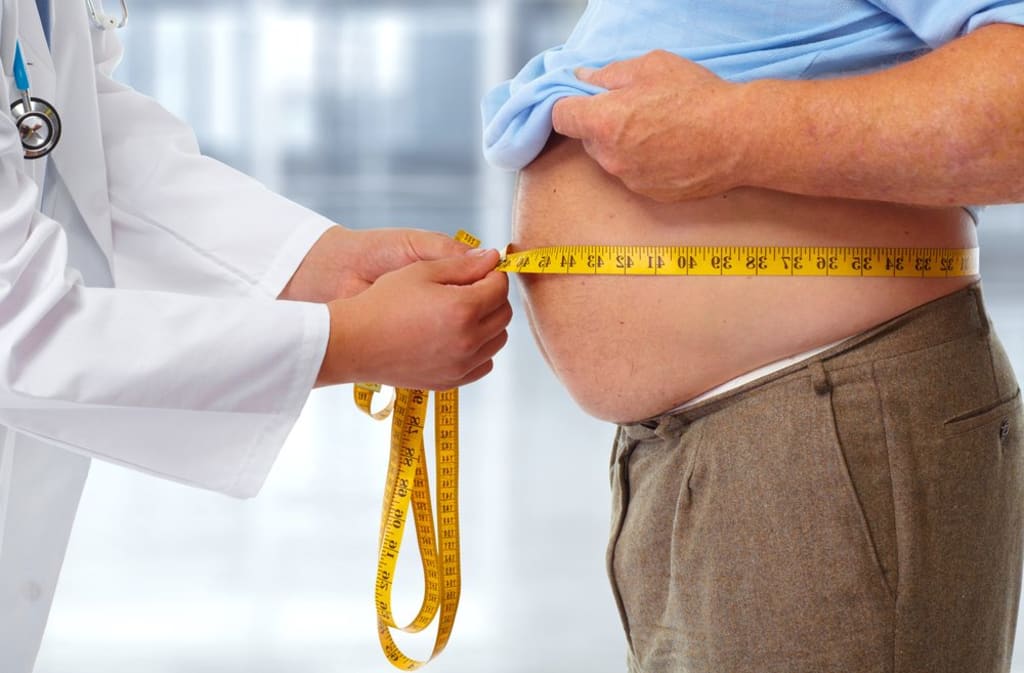
How do I know if I'm overweight/ obesity?
If your BMI is 18.5 to <25, it falls within the healthy weight range. If your BMI is 25.0 to <30, it falls within the overweight range. If your BMI is 30.0 or higher, it falls within the obesity range.
BMI = kg/m2 where kg is a person’s weight in kilograms and m2 is their height in metres squared.
How does obesity affect your body?
Excess weight, especially obesity, diminishes almost every aspect of health, from reproductive and respiratory function to memory and mood. Obesity increases the risk of several debilitating, and deadly diseases, including diabetes, heart disease, and some cancers. It does this through a variety of pathways, some as straightforward as the mechanical stress of carrying extra pounds and some involving complex changes in hormones and metabolism. Obesity decreases the quality and length of life, and increases individual, national, and global healthcare costs.
Obesity and Reproduction

Obesity can influence various aspects of reproduction, from sexual activity to conception. Among women, the association between obesity and infertility, primarily ovulatory infertility, is represented by a classic U-shaped curve. United States may be attributable to obesity. During pregnancy, obesity increases the risk of early and late miscarriage, gestational diabetes, preeclampsia, and complications during labor and delivery. It also slightly increases the chances of bearing a child with congenital anomalies.
Obesity and Diabetes
The condition most strongly influenced by body weight is type 2 diabetes. Fat cells, especially those stored around the waist,secrete hormones and other substances that fire inflammation. Although inflammation is an essential component of the immune system and part of the healing process, inappropriate inflammation causes a variety of health problems. Inflammation can make the body less responsive to insulin and change the way the body metabolises fats and carbohydrates, leading to higher blood sugar levels and, eventually, to diabetes and its many complications.
Obesity and Lung Function/Respiratory Disease

Excess weight impairs respiratory function via mechanical and metabolic pathways. The accumulation of abdominal fat, for example, may limit the descent of the diaphragm, and in turn, lung expansion, while the accumulation of visceral fat can reduce the flexibility of the chest wall, sap respiratory muscle strength, and narrow airways in the lungs. Cytokines generated by the low-grade inflammatory state that accompanies obesity may also impede lung function.
Asthma and obstructive sleep apnea are two common respiratory diseases that have been linked with obesity. Obesity is also a major contributor to obstructive sleep apnea (OSA), which is estimated to affect approximately one in five adults; one in 15 adults has moderate or severe obstructive sleep apnea. This condition is associated with daytime sleepiness, accidents, hypertension, cardiovascular disease, and premature mortality.
Obesity and Cardiovascular Disease

Body weight is directly associated with various cardiovascular risk factors. As BMI increases, so do blood pressure, low-density lipoprotein (LDL, or “bad”) cholesterol, triglycerides, blood sugar, and inflammation. These changes translate into increased risk for coronary heart disease, stroke, and cardiovascular death.
Obesity and Musculoskeletal Disorders

Excess weight places mechanical and metabolic strains on bones, muscles, and joints. Osteoarthritis of the knee and hip are both positively associated with obesity, and obese patients account for one-third of all joint replacement operations. Obesity also increases the risk of back pain, lower limb pain, and disability due to musculoskeletal conditions.
How to lose weight
Quality meal plan
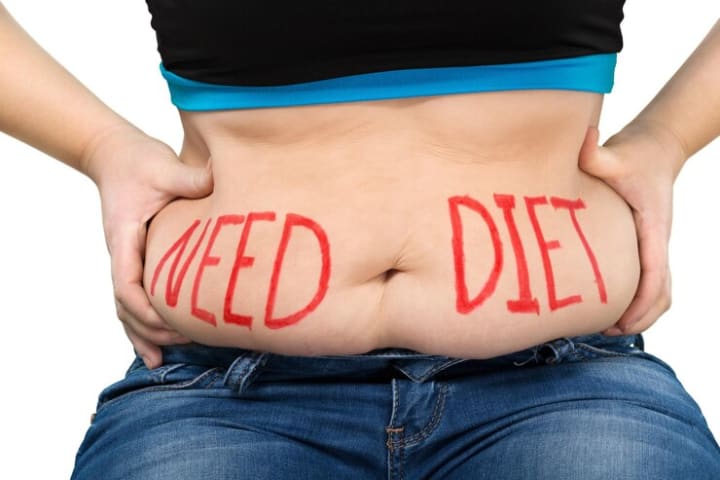
Weight loss is not the answer to every health problem, but if your doctor recommends it, there are tips to help you lose weight safely. A steady weight loss of 1 to 2 pounds per week is recommended for the most effective long-term weight management.
That said, many eating plans designed to help you lose weight leave you feeling hungry or unsatisfied, or they cut out major food groups and are not sustainable. These are major reasons why you might find it hard to stick to a healthier eating plan.
Ex: The Ultimate Keto Meal Plan

If you find yourself in a conversation about dieting or weight loss, chances are you’ll hear about the ketogenic, or keto, diet. The keto diet has become one of the most popular methods worldwide among people trying to lose weight and improve their health.
While the keto diet does seem to have some benefits, it is typically high in saturated fat. This can raise LDL (“bad”) cholesterol in some individuals, which may increase the risk of cardiovascular disease and cardiovascular events like heart attack and stroke. For this reason, the keto diet may not be a good option for everyone.
Additionally, the keto diet is not recommended for people who are pregnant or nursing, or those who have kidney disease, liver disease, respiratory failure, cardiac arrhythmia, or type 1 diabetes.
If you’ve been thinking about trying the keto diet ,visit this site and enjoy your life!
Thank you!
About the Creator
Keep reading
More stories from writers in Longevity and other communities.
Day 4 of Quitting
If this is how sobriety feels, maybe it’s better to go through life a little buzzed… this, along with other hits like, I want to kill myself, I wish I was dead, and I’m going to throw myself off a bridge have been the only thoughts on rotation these past few days. I promise myself that if, in a month, I still feel like this (‘this’ meaning despondent, full of rage, and simultaneously numb) I can go back to smoking. Until mid-February though? Nicotine is off the table.
By sleepy drafts19 days ago in Longevity
Global Biotechnology Market Size and Forecast 2025–2033: Innovation Reshaping the Future of Science, Healthcare, and Industry
Global Biotechnology Market Outlook The global biotechnology market stands at the center of one of the most transformative scientific revolutions of the modern era. Biotechnology, which applies biological systems, organisms, and derivatives to develop products and technologies, has moved far beyond traditional laboratory research. Today, it powers breakthroughs in healthcare, agriculture, environmental protection, and industrial manufacturing, influencing how societies address some of the world’s most pressing challenges.
By Renub Research4 days ago in Longevity


Comments
There are no comments for this story
Be the first to respond and start the conversation.