
COVID-19 Is Triggering Mucormycosis Cases In India
Research was already showing mucormycosis infections increasing, and now individuals who were previous infected with COVID are more vulnerable.


Doctors at a leading private facility in Delhi have identified several cases in the recovery of coronavirus patients who have been diagnosed with a deadly fungal infection, which was triggered by their previous by COVID-19 infection, causing nearly half of them to lose their sight, hospital authorities announced Monday.
While hospitals in Delhi and Mumbai reported some cases, Ahmedabad in Gujarat recorded at least 44 cases of mucormycosis, in which 9 patients unfortunately died. In the last 15 days, ENT surgeons at Sir Ganga Ram Hospital (SGRH) reported having 13 cases of "COVID-19-triggered mucormycosis".
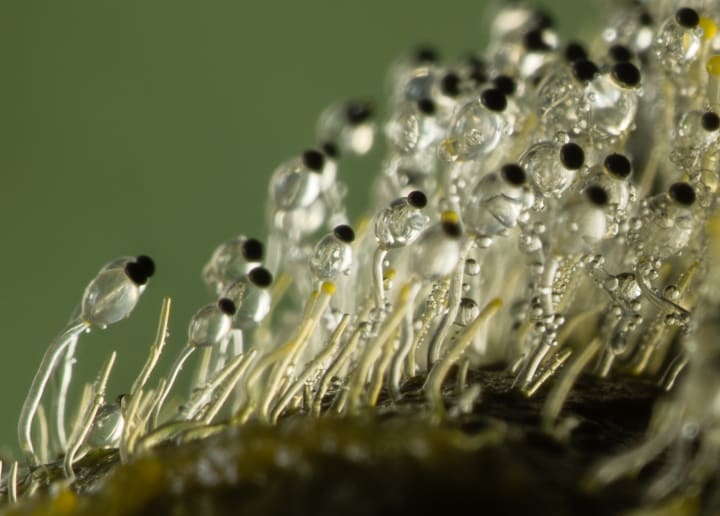
An uncommon, but very severe fungal infection, Mucormycosis is caused by a group of molds called mucormycetes, which can enter the body through the air, usual by fungal spores, or in the skin through an exposed injury. Mucormycosis isn't able to spread between people or between people and animals directly.
Mucormycosis is the general term for any fungal infection caused by various genera of the class Zygomycetes. Mucormycosis can lead to an acute, rapidly progressing, and occasionally lethal disease caused by various fungi that are often in soil, or the surrounding environment.
There are various fungi that can cause mucormycosis; infections with the Mucoraceae family of fungi predominate as causes; hence, many investigators use the term mucormycosis instead of zygomycosis.
Symptoms and signs usually occur first in the infected area of the body and can occur as follows: fever, headache, reddish and swollen skin over the nose and sinuses, dark abrasions in the nose, vision problems, swelling of the eye, facial pain, coughing sometimes with bloody or dark fluid production, shortness of breath, diffuse abdominal pain, bloody and sometimes dark vomiting, abdominal stretching, flank pain, an ulcer with dark center and sharply defined edges, and changes in mental state may occur. Nearly all patients require surgical debridement of infected tissue, and antifungal drugs (mainly amphotericin B).

The results of mucormycosis infections ranges from fair to bad; there is a mortality rate of about 50%, which rises to about 85% in rhinocerebral and GI infections.
Mucormycosis, also called Black Fungus, has been a cause of disease and death of patients in transplants, and ICU and immunodeficient individuals for some time. Now there is a dramatic climb in the cases seen in patients recovering from COVID-19 that is creating the pressing matter, the SGRH said in a statement.
"In the last 15 days, ENT surgeons have seen 13 cases of COVID-19-triggered mucormycosis in over 50% patients, with loss of eyesight, and removal of nose and jaw bone needed," SGRH said.
The ENT and Eye Team at Sir Ganga Ram had to perform resections in about 10 patients in the last 14 days, with about 50% sadly losing their vision permanently after the procedure.
Five of these patients needed intensive care due to other complications related with the disease. So far, there also have been five unfortunate mortalities in this subgroup, according to the official version of Ganga Ram Hospital.

One retinal and ophthalmic surgeon had stated that five cases of mucormycosis had been identified in Ahmedabad. According to the report, two patients have already died, while two surviving patients lost their vision.
Usually it takes mucormycosis about 15-30 days to spread, but for people infected after contracting COVID-19, the spread occurs within just 2-3 days.
Research was already showing mucormycosis infections increasing, especially with immunosuppressed individuals. Now results are revealing that COVID-19 patients are more vulnerable to this fungus. It is said that it's a ubiquitous fungus found in plants, animals and the air, but it attacks patients who have recovered from COVID because they have been given steroids and suffer from co-morbidities, which is even worse.
About the Creator
Buzzword
BuzzWord features, news, reviews and top ten lists.
Three in Four Women Unaware Menopause Can Trigger New Mental Illness, Poll Finds
A new poll has revealed a striking gap in public understanding of menopause and mental health, with nearly three in four women unaware that the hormonal transition can trigger the onset of new mental illnesses. The findings highlight a growing concern among health experts that psychological symptoms linked to menopause are being underestimated, misdiagnosed, or ignored altogether. Menopause is commonly associated with physical symptoms such as hot flashes, night sweats, and sleep disruption. However, medical professionals stress that the hormonal changes occurring during perimenopause and menopause can also have a profound impact on the brain. Fluctuating estrogen levels influence neurotransmitters like serotonin and dopamine, which regulate mood and emotional stability. For some women, this can result in anxiety, depression, panic disorders, or even more severe psychiatric conditions emerging for the first time in midlife. According to the poll, a majority of respondents believed menopause only worsens existing mental health issues rather than creating new ones. This misconception is worrying, experts say, because it delays diagnosis and treatment. Women experiencing sudden mood swings, intrusive thoughts, or prolonged low mood may not associate these symptoms with menopause and instead blame stress, work pressure, or family responsibilities. Mental health specialists report an increase in middle-aged women seeking help for symptoms that began during perimenopause. Many describe feeling unlike themselves for the first time in their lives, experiencing unexplained anxiety, emotional numbness, or depressive episodes. In some cases, women who had never previously struggled with mental illness suddenly find themselves needing therapy or medication. The stigma surrounding both menopause and mental illness adds another layer of difficulty. Many women hesitate to discuss emotional changes openly, fearing they will be dismissed as “overreacting” or told it is simply part of aging. As a result, they may suffer in silence for months or even years before seeking professional support. Healthcare providers also face challenges. General practitioners are often trained to focus on physical menopausal symptoms, while mental health symptoms may be treated separately without considering hormonal causes. This fragmented approach can lead to misdiagnosis. A woman might be prescribed antidepressants without being offered hormone therapy, or vice versa, even though a combined treatment plan could be more effective. Campaigners argue that menopause education needs urgent reform. Schools, workplaces, and healthcare systems should treat menopause as both a physical and psychological transition. Employers are also being encouraged to recognize menopause-related mental health struggles, especially as more women remain in the workforce into their 50s and 60s. Reduced concentration, fatigue, and emotional distress can significantly affect job performance if left unsupported. The poll also revealed generational differences in awareness. Younger women were slightly more informed about menopause and mental health than older respondents, suggesting that social media and online health campaigns are beginning to shift perceptions. However, experts warn that online information can be inconsistent and sometimes misleading, reinforcing the need for reliable public health guidance. Treatment options are available, and outcomes can be positive when menopause-related mental illness is identified early. Hormone replacement therapy (HRT), talking therapies, lifestyle changes, and in some cases medication can work together to stabilize mood and improve quality of life. Regular exercise, better sleep habits, and stress management are also known to ease symptoms. Ultimately, specialists say the findings should serve as a wake-up call. Menopause is not just a physical milestone but a complex biological transition that can reshape mental wellbeing. Recognizing this reality could prevent unnecessary suffering and help women access the care they need sooner. As awareness grows, advocates hope conversations around menopause will become more open and medically informed. Understanding that new mental health conditions can emerge during this stage of life is a crucial step toward removing stigma and ensuring that women are supported through every aspect of this significant change.
By Fiaz Ahmed 2 days ago in Longevity




Comments
There are no comments for this story
Be the first to respond and start the conversation.