
ChatGPT Evolution: How AI Changed the Internet Forever
From simple chatbot to digital revolution, artificial intelligence reshapes the way humans interact online.

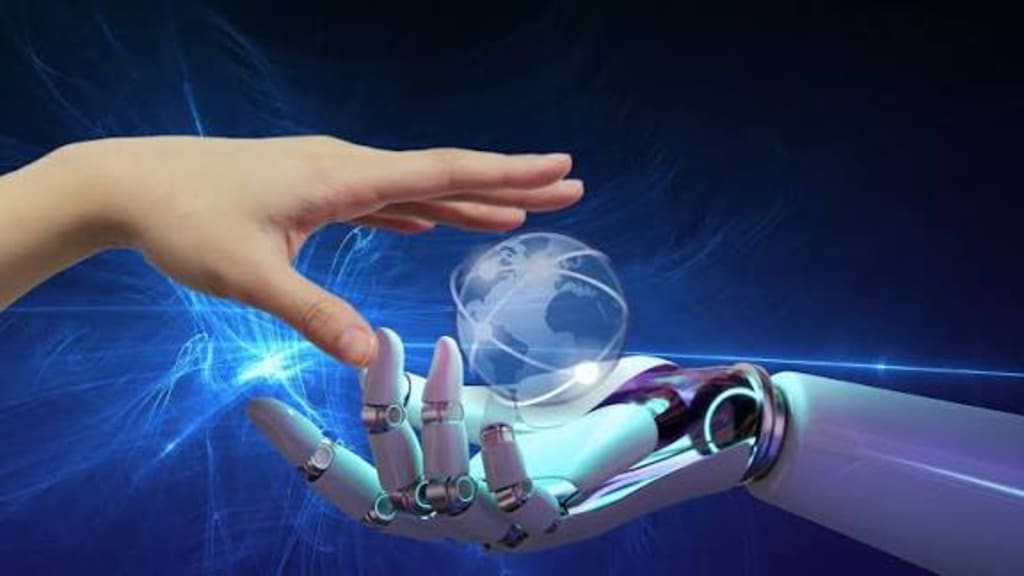
The rise of artificial intelligence has transformed nearly every aspect of modern life, but few innovations have reshaped the internet as profoundly as ChatGPT. From its early beginnings as a simple conversational tool to becoming a powerful engine of knowledge, creativity, and automation, ChatGPT represents a turning point in how humans interact with technology. Its evolution has not only changed how people search for information but has also redefined communication, business, education, and digital culture itself.
When ChatGPT first appeared, it was viewed mainly as an experimental chatbot designed to answer questions and hold basic conversations. Over time, rapid improvements in machine learning, natural language processing, and data training allowed it to understand context, tone, and complex instructions. This evolution made ChatGPT more than a chatbot—it became a virtual assistant capable of writing articles, coding software, creating marketing strategies, tutoring students, and even offering emotional support.
One of the most significant ways ChatGPT changed the internet forever is by transforming how people access information. Traditional search engines required users to sift through dozens of websites to find answers. ChatGPT introduced a conversational model where users could receive direct, summarized, and customized responses in seconds. This shift reduced dependence on static web pages and encouraged interactive information exchange. The internet became less about searching and more about dialogue.
Education experienced a major revolution through ChatGPT’s evolution. Students now use AI as a learning companion that explains complex topics in simple language, generates practice questions, and provides step-by-step problem-solving guidance. Teachers use it to design lesson plans and educational materials more efficiently. This democratization of knowledge has allowed people from different backgrounds and regions to access quality learning resources, narrowing educational gaps worldwide.
The business world also witnessed dramatic changes. Entrepreneurs and companies began using ChatGPT for customer service, content creation, data analysis, and decision-making. Small businesses that once lacked resources for marketing teams or technical experts could now rely on AI to perform tasks that previously required multiple employees. This increased productivity while lowering operational costs. The rise of AI-driven customer support systems improved response times and enhanced user experiences across industries.
Content creation underwent a digital transformation due to ChatGPT’s influence. Writers, journalists, and creators now use AI to brainstorm ideas, draft articles, and edit work. While human creativity remains essential, ChatGPT accelerated the production of blogs, social media posts, and marketing campaigns. This shift changed the pace of the internet, making information circulate faster and more efficiently than ever before.
Another lasting impact of ChatGPT is on programming and software development. Developers now use AI to generate code, debug errors, and suggest improvements. This has reduced development time and made coding more accessible to beginners. People with limited technical knowledge can now create websites and applications using natural language instructions. This democratization of technology has empowered innovation on a global scale.
Social interaction online has also evolved. ChatGPT introduced a new form of digital companionship where users can converse with AI for advice, entertainment, or emotional support. In a world where loneliness and mental health challenges are rising, AI-powered conversations provide comfort to many individuals. While not a replacement for human relationships, this new interaction model reflects how technology has become deeply integrated into daily life.
However, the evolution of ChatGPT also brought challenges and ethical debates. Concerns about misinformation, data privacy, and overreliance on AI continue to grow. Critics worry that people may trust AI responses without verification or that creative professions could be threatened by automation. These issues have sparked global discussions about responsible AI development, transparency, and regulation.
Despite these concerns, ChatGPT’s evolution has clearly reshaped the structure of the internet. Websites are now designed to integrate AI tools, and businesses compete to offer smarter digital experiences. Search engines, social platforms, and online services have adapted to this AI-driven environment, creating a new digital ecosystem centered on intelligence and interaction rather than static content.
Looking ahead, the future of ChatGPT and AI promises even deeper integration into everyday life. Voice-based assistants, real-time translations, and personalized digital environments will likely become standard features of the online world. The boundary between human thought and machine intelligence will continue to blur, raising both exciting possibilities and important responsibilities.
In conclusion, the evolution of ChatGPT marks a historic moment in the story of the internet. It changed how people search for information, learn, work, and communicate. By turning the web into an interactive and intelligent space, ChatGPT has permanently altered digital culture. While challenges remain, its influence on the internet is undeniable and lasting. The age of AI-driven communication has arrived, and the internet will never be the same again.
About the Creator
Fiaz Ahmed
I am Fiaz Ahmed. I am a passionate writer. I love covering trending topics and breaking news. With a sharp eye for what’s happening around the world, and crafts timely and engaging stories that keep readers informed and updated.
Keep reading
More stories from Fiaz Ahmed and writers in Longevity and other communities.
Mental Health Crisis Grows Worldwide in 2026
The year 2026 has emerged as a critical turning point for global mental health, as countries across the world report a sharp rise in anxiety, depression, and stress-related disorders. Health experts warn that the mental health crisis is no longer limited to specific regions or age groups but has become a widespread global challenge affecting millions of people. Economic uncertainty, ongoing conflicts, climate anxiety, and the lasting effects of past pandemics have combined to create an environment of emotional strain and psychological vulnerability. According to international health organizations, cases of depression and anxiety disorders have increased significantly since the early 2020s, with 2026 showing the highest recorded numbers in many countries. Young people, in particular, are among the most affected. Academic pressure, unemployment, social media influence, and fear about the future have contributed to rising levels of stress and emotional exhaustion among teenagers and young adults. One of the main drivers of the mental health crisis is economic instability. Inflation, job insecurity, and rising living costs have placed enormous pressure on families and individuals. Many people struggle to meet basic needs, leading to feelings of hopelessness and fear. In developing countries, limited access to mental health services has worsened the situation, leaving millions without proper diagnosis or treatment. Global conflicts and political instability have also played a significant role in worsening mental health conditions. War zones and refugee communities experience high levels of trauma, grief, and post-traumatic stress disorder (PTSD). Displacement, loss of loved ones, and uncertainty about the future have created long-term psychological scars. Even in peaceful regions, constant exposure to distressing news through digital media has increased fear and emotional fatigue. Climate change has become another powerful contributor to mental distress. Extreme weather events such as floods, wildfires, and heatwaves are not only destroying homes and livelihoods but also affecting emotional well-being. A growing number of people report experiencing “climate anxiety,” a condition marked by fear and helplessness about environmental destruction and the planet’s future. Scientists note that young generations feel especially burdened by the responsibility of facing a crisis they did not create. Technology and social media, while offering connection and information, have also intensified mental health challenges. Excessive screen time, online comparison, cyberbullying, and unrealistic standards of success contribute to low self-esteem and isolation. Many individuals feel pressured to present perfect lives online while struggling privately with emotional pain. Mental health professionals warn that digital dependence can weaken real-life relationships and increase loneliness. Healthcare systems worldwide are struggling to keep up with the growing demand for mental health services. In many countries, there are not enough trained psychologists, psychiatrists, and counselors to treat patients. Long waiting times and high treatment costs prevent people from seeking help. Rural and low-income areas face even greater shortages, creating inequality in access to mental health care. Governments and international organizations are beginning to recognize the urgency of the crisis. In 2026, several countries have launched national mental health strategies focusing on early intervention, public awareness, and workplace mental wellness programs. Schools are introducing mental health education to help students understand stress management and emotional resilience. Employers are also being encouraged to provide counseling services and flexible work arrangements to support employee well-being. Public attitudes toward mental health are slowly changing. There is growing acceptance that mental illness should be treated with the same seriousness as physical illness. Celebrities, athletes, and public figures have spoken openly about their struggles, helping reduce stigma and encouraging others to seek help. Online platforms and mobile apps offering therapy and emotional support have become more popular, making mental health care more accessible for many people. Despite these positive developments, experts warn that much more needs to be done. Mental health funding remains insufficient in many regions, and cultural stigma still prevents individuals from discussing their struggles openly. Suicide rates in certain countries continue to rise, highlighting the urgent need for comprehensive prevention strategies and community-based support systems. The global mental health crisis of 2026 is a reminder that emotional well-being is closely linked to social, economic, and environmental conditions. Addressing the problem requires a collective effort from governments, healthcare providers, educational institutions, and families. Investment in mental health infrastructure, research, and awareness campaigns is essential to prevent long-term consequences. Looking ahead, specialists emphasize the importance of building resilience and promoting healthy lifestyles. Regular physical activity, balanced nutrition, digital detox, and strong social connections can play a key role in improving mental well-being. Communities must create safe spaces for dialogue, understanding, and compassion. As the world faces complex challenges in 2026, mental health has become one of the most pressing global issues. Recognizing the crisis and taking meaningful action will determine whether future generations inherit a society burdened by emotional suffering or one that prioritizes psychological health and human dignity. The path forward depends on unity, empathy, and sustained commitment to mental well-being across all nations.
By Fiaz Ahmed about 21 hours ago in Longevity
Day 4 of Quitting
If this is how sobriety feels, maybe it’s better to go through life a little buzzed… this, along with other hits like, I want to kill myself, I wish I was dead, and I’m going to throw myself off a bridge have been the only thoughts on rotation these past few days. I promise myself that if, in a month, I still feel like this (‘this’ meaning despondent, full of rage, and simultaneously numb) I can go back to smoking. Until mid-February though? Nicotine is off the table.
By sleepy drafts25 days ago in Longevity
Most People Don't Feel Unhealthy ...Until Their Body Starts Limiting Their Life
Most people don't wake up one day and feel unhealthy. That's the problem. Decline doesn't announce itself. It blends in. It feels like stress. Like being busy. Like getting older. Like a phase that will pass once things calm down.
By Destiny S. Harris3 days ago in Longevity


Comments
There are no comments for this story
Be the first to respond and start the conversation.